A Kuala Lumpur startup posts a job ad for a "UI/UX Designer," gets forty applications, and hires someone brilliant at wireframes and user flows, only to realize six months later that their app still looks dated and uninspired. The problem wasn't the hire. It was the job description. Businesses across Malaysia are increasingly searching for jobs with graphic design, UI/UX roles, and other creative positions, but many still treat "UI" and "UX" as interchangeable terms. They aren't, and understanding the difference can save a company months of miscommunication and a chunk of its hiring budget.
The Problem: Confusing Two Very Different Skill Sets
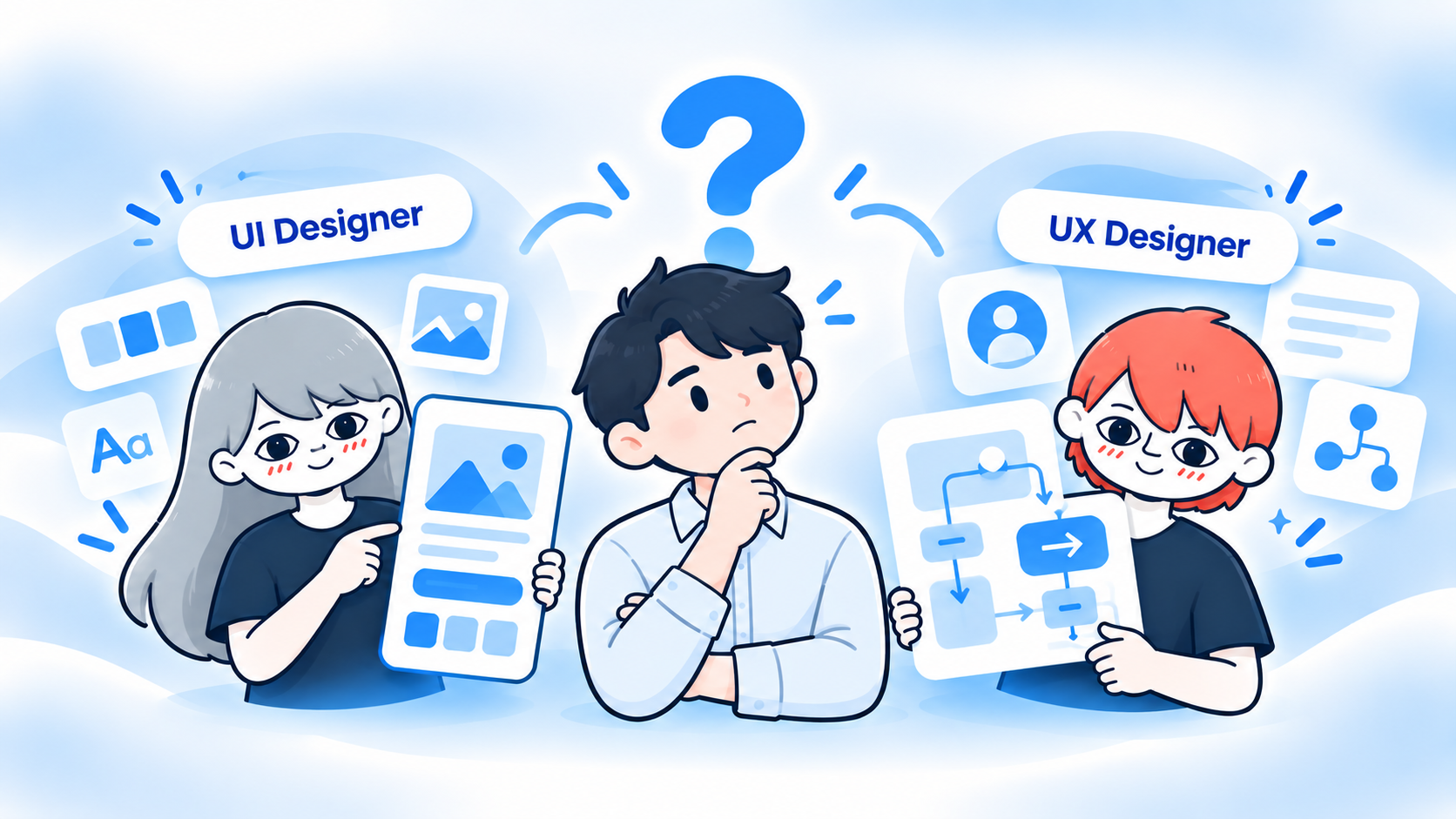
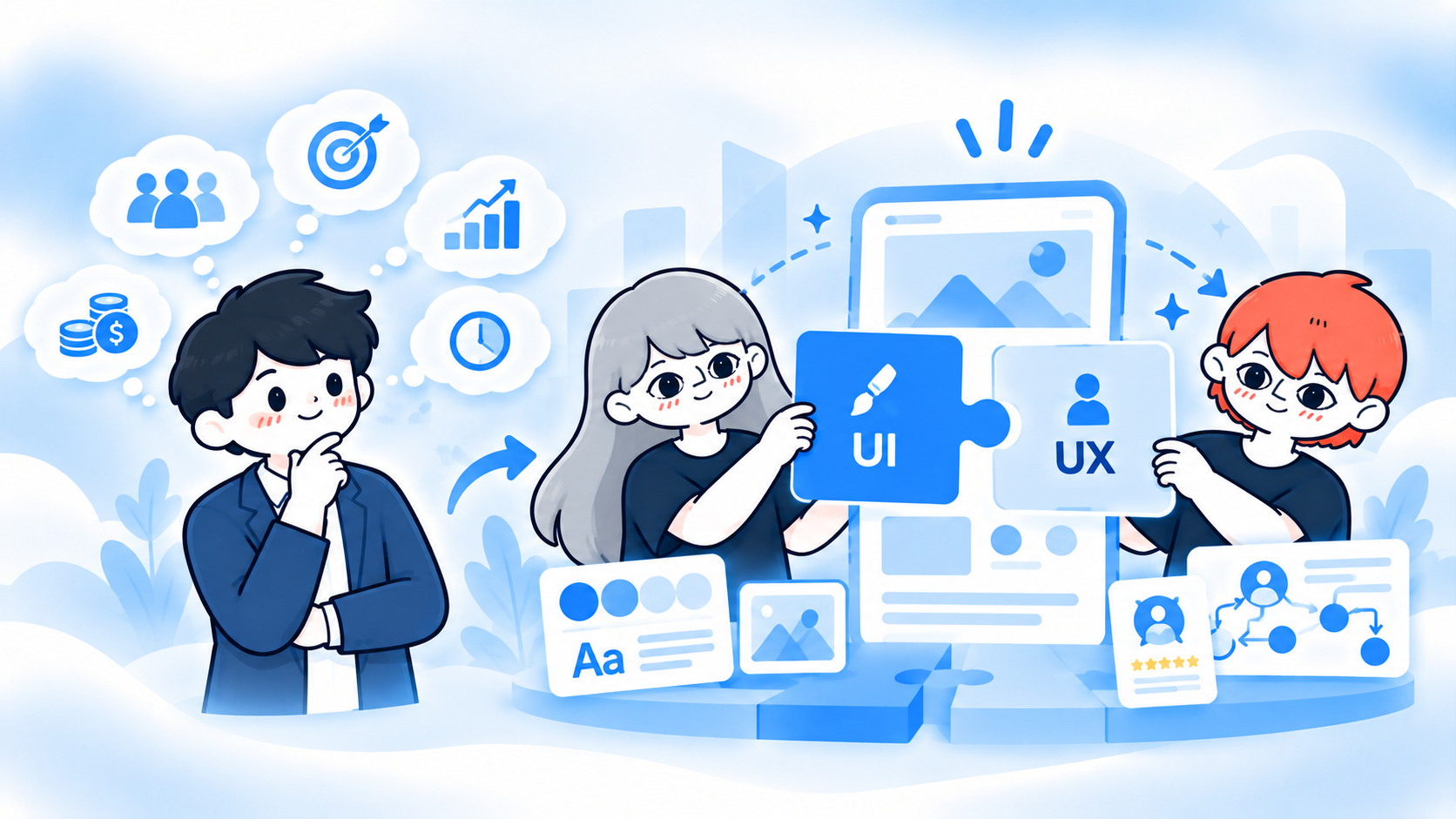
Hiring managers who don't come from a design background often lump UI and UX together, assuming one designer can simply handle "the app design." In reality, the roles of a UI and UX designer are completely different with different tasks. Mixing them up in a job posting or during interviews leads to mismatched expectations, frustrated new hires, and products that either look polished but function poorly, or work well but feel unappealing to use.
What UI Design Actually Means
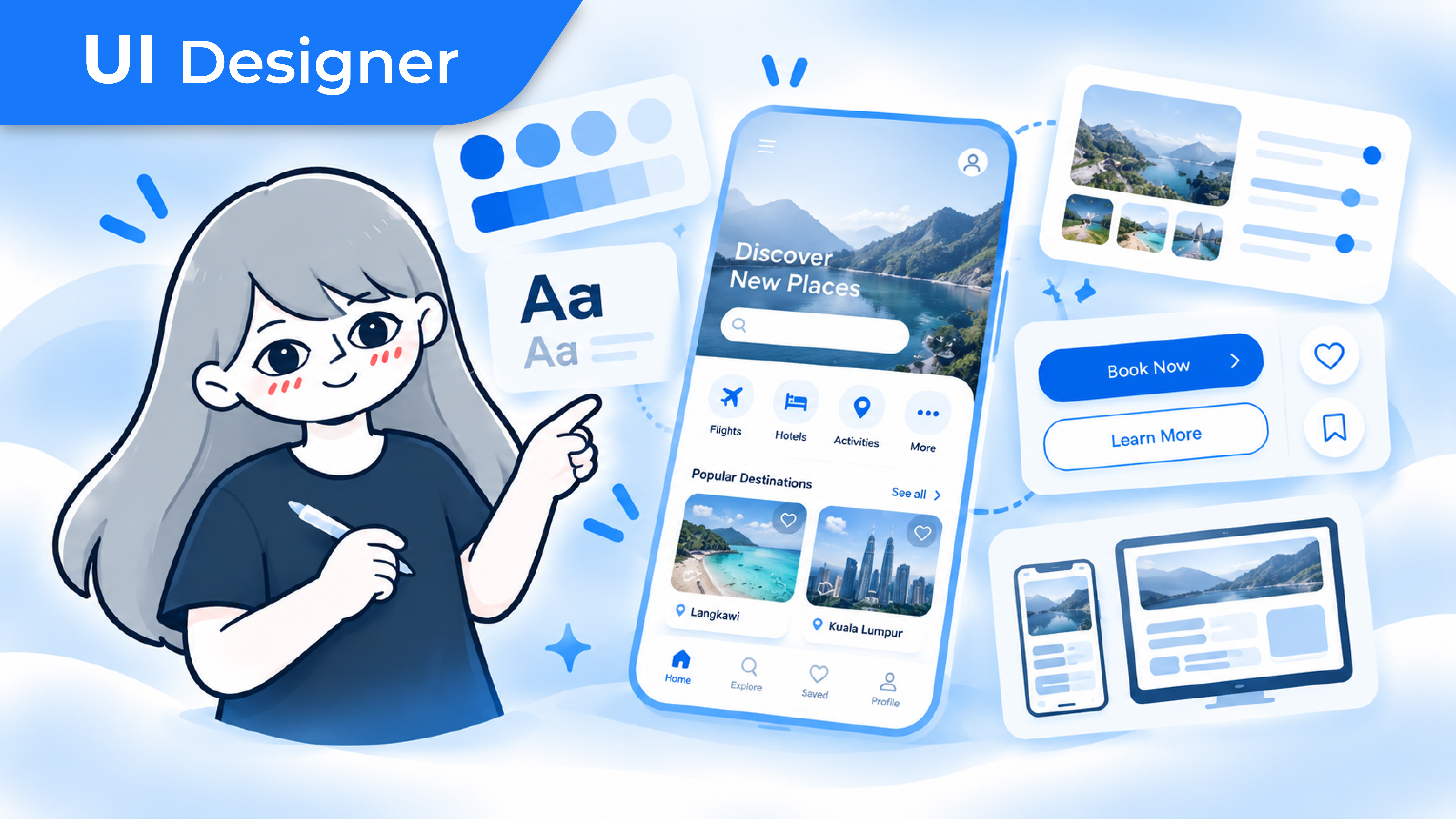
User Interface (UI) design is about the visual and interactive layer of a product. It covers product aesthetics like branding and visual design, along with mockups, interaction design, animations, and responsive layouts. A UI designer is the one deciding button colors, typography, spacing, and how a screen transitions to the next. Their qualities typically include being visually creative, skilled in graphic design, and able to balance form with function
What UX Design Actually Means
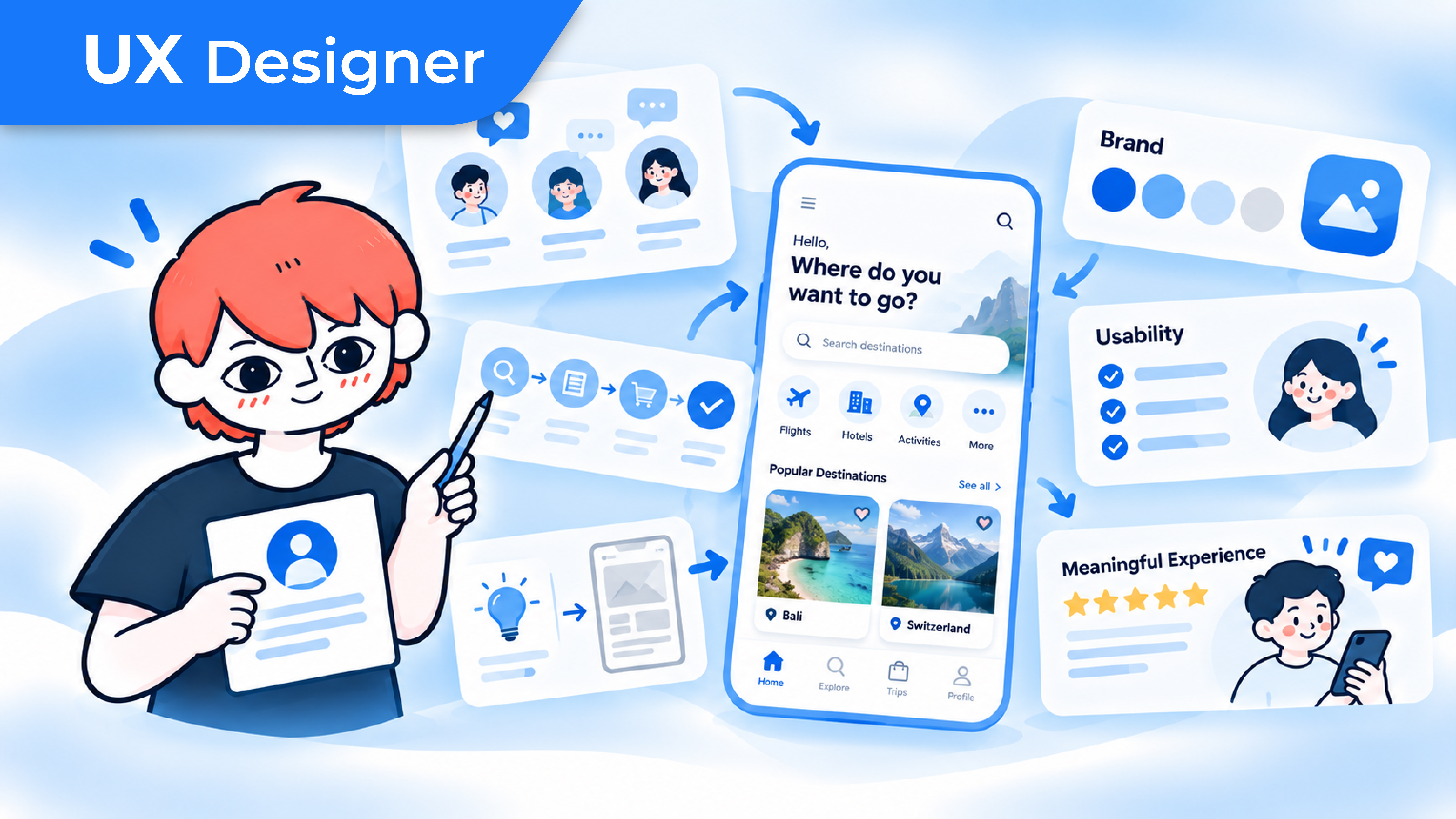
User Experience (UX) design zooms out from the screen to the entire journey. The user's journey with a product or service is called user experience, and UX design involves branding, usability, function, and design to create meaningful user experiences. A UX designer asks questions like how a user discovers the product, how they feel while using it, and whether the experience actually solves their problem.
Typically, a UX designer maps out the entire user journey to solve one particular problem in the product, focusing on understanding users' problems and finding the best solutions.
Put simply, UX is the "feel" of a digital product, while UI is the "look." Neither works well alone.
A product with great UX but poor UI might be functional but uninspiring, while a product with stunning UI but poor UX may look good but frustrate users.
Why This Distinction Matters for Your Hiring Decisions
For business owners and HR managers, this isn't academic. Getting it wrong affects budget, timelines, and product quality.
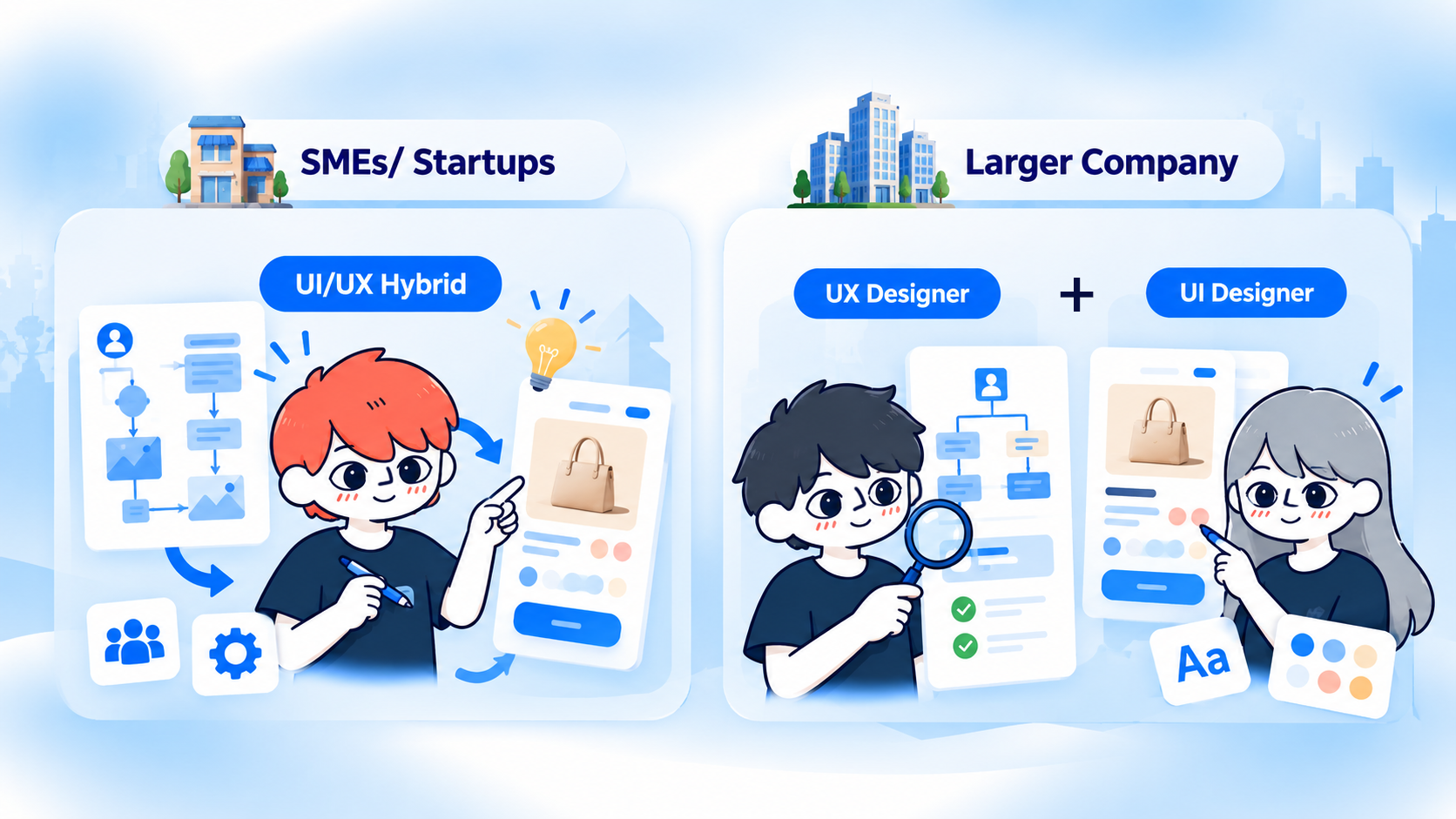
In small businesses and startups, UI often falls under the UX umbrella, but as organizations and products scale, the department typically splits into UX designers, UI designers, researchers, writers, and other specialists.
Knowing where your company sits on that spectrum tells you whether you need one hybrid designer or two specialists.
There's also a practical hiring signal worth remembering:
When hiring a UX designer, you should pay attention to their problem-solving skills, their design process, and how well they can articulate their UX case studies.
A UI-focused candidate, by contrast, should be evaluated more on visual portfolio quality and consistency across screens.
Learn how to evaluate portfolios before hiring: https://www.rtist.co/blog/how-to-evaluate-a-designer-portfolio-before-hiring
Real Examples: How This Plays Out in Malaysian Hiring
Local job postings reflect this split clearly. Some Kuala Lumpur employers advertise for a designer to refine and optimize the user experience of a specialized construction management SaaS platform, focused on making complex workflows more intuitive for contractors, which is a pure UX brief. Others post for someone todesign modern, clean, and conversion-focused UI for websites and web applications, which is squarely a UI task.
According to Rtist's own research into the local market, many Malaysian companies hire UI/UX hybrid designers, meaning one person handles both UI and UX tasks, especially in SMEs and startups, but larger, better-funded teams increasingly split the roles as products mature.
Beyond UI/UX: The Bigger Creative Hiring Picture
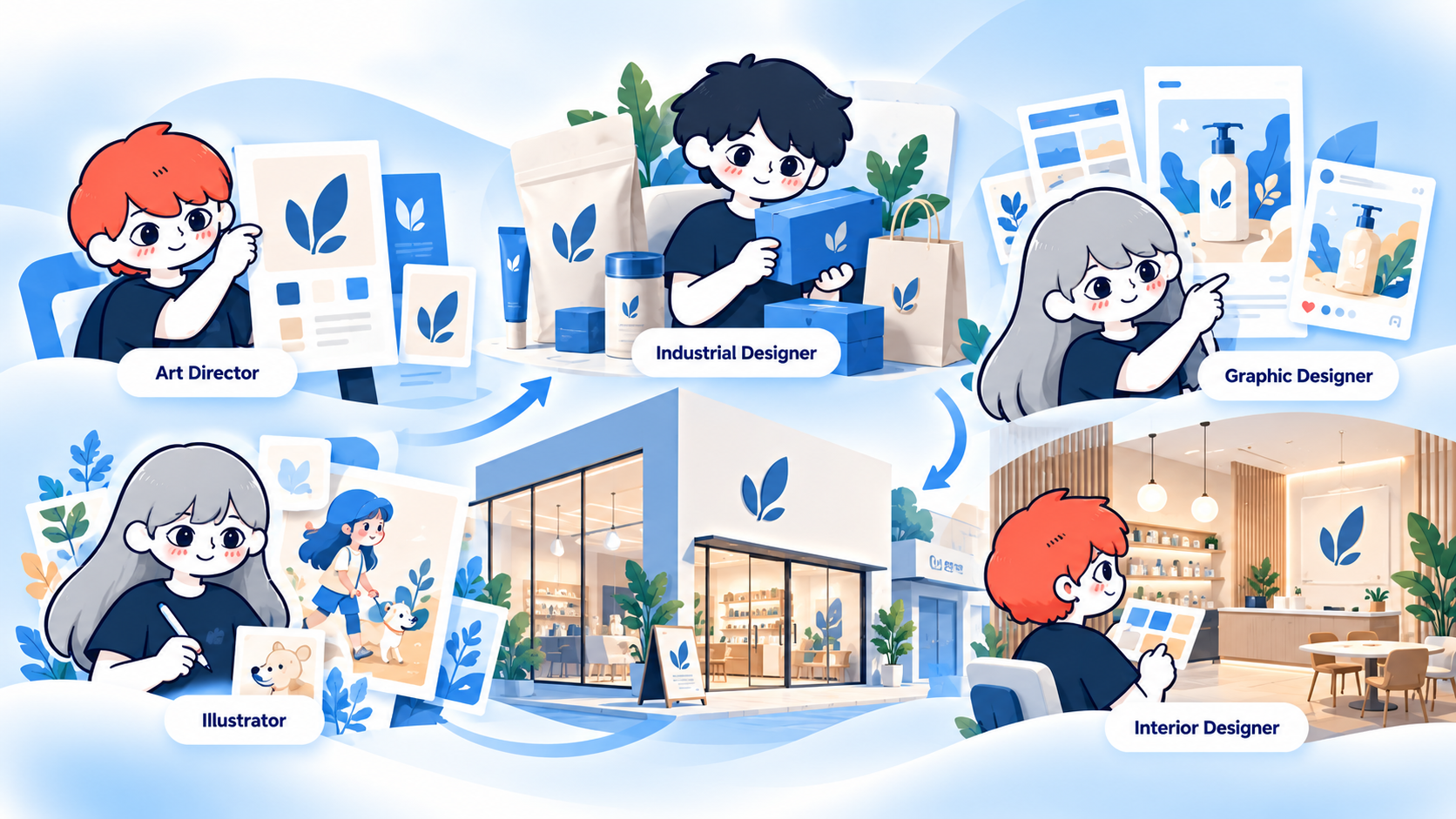
UI and UX designers rarely work in isolation. A growing product or brand often needs a wider creative bench, and businesses searching for jobs with graphic design frequently end up hiring across several disciplines at once. An art director might oversee visual consistency across a campaign.
A brand launching physical products may need industrial design jobs filled to shape packaging or devices. A hospitality or real estate business might be searching for jobs for interior designers to bring a physical space to life. Marketing teams frequently need jobs illustration talent for custom graphics, and startups building out their teams often start with a single hire before expanding into fuller careers and job structures across departments. Recognizing these adjacent needs early helps businesses plan hiring in stages rather than scrambling later.
Actionable Tips for Hiring the Right Designer
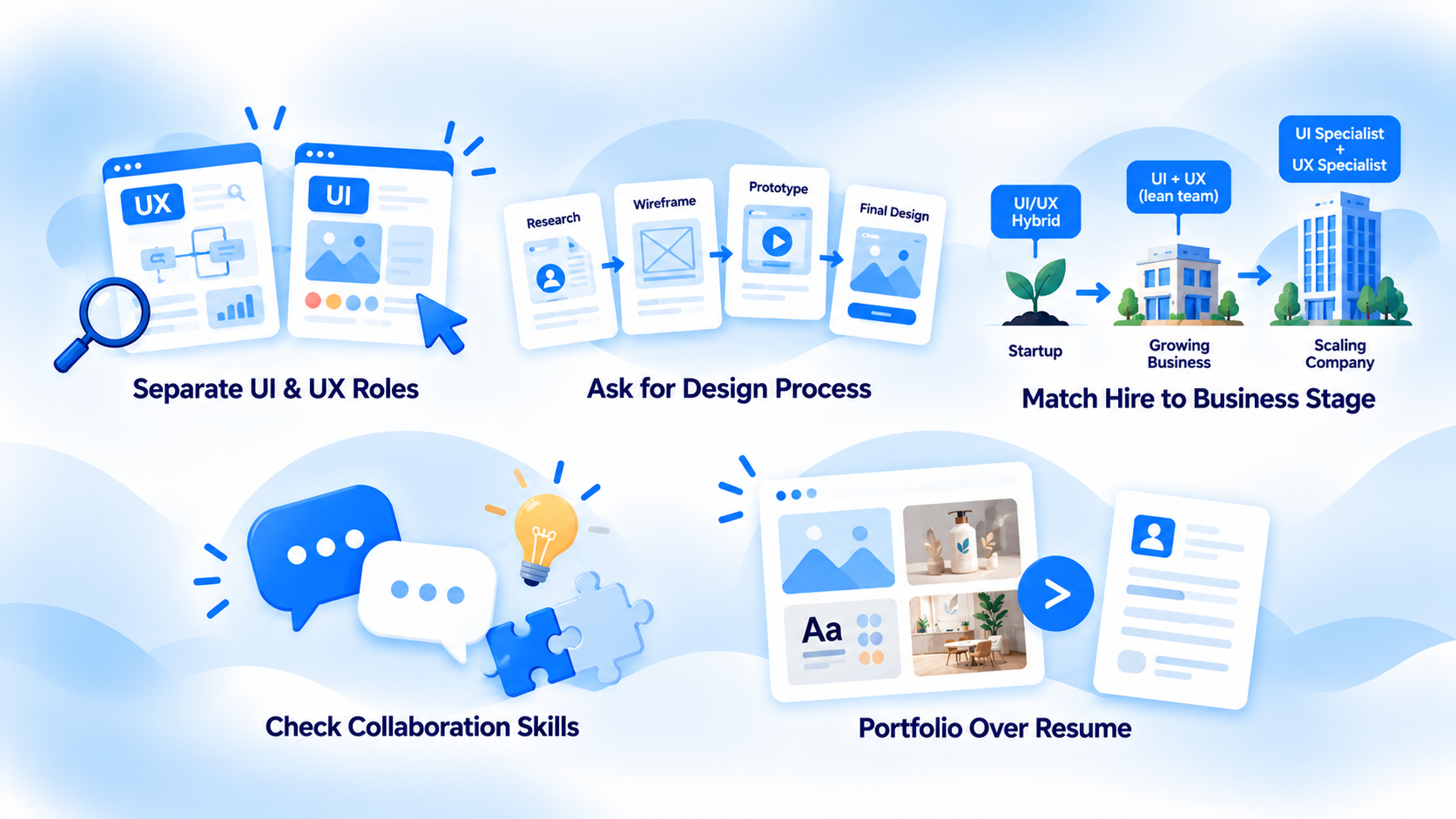
Write separate job descriptions. If you need both, list UI and UX responsibilities separately rather than bundling vague duties under one title.
Ask for process, not just polish. Request a UX designer's research and case study walkthrough, and a UI designer's before-and-after visual samples.
Match the hire to your stage. Early-stage startups often benefit from a hybrid designer, while scaling companies get more value from specialists.
Check for collaboration skills. Since having both UI and UX designers on a team results in a more cohesive and transparent design process that leads to a better final product, communication ability matters as much as technical skill.
Review portfolios, not just resumes. A strong portfolio reveals more about real capability than years of experience alone.
Learn more on how much UI/UX Designers Cost: https://www.rtist.co/blog/uiux-designer-salary-in-malaysia-2026-guide
Conclusion
UI and UX are two halves of the same product experience, but they demand different skills, different interview questions, and often different people. Businesses that understand this distinction hire faster, budget more accurately, and end up with products that both look great and work well. Whether you need a UI specialist, a UX researcher, or a hybrid designer to start, clarity upfront saves confusion down the line.
Ready to Hire the Right Creative Talent?
Rtist connects businesses with over 20,000 vetted Malaysian designers, including UI and UX specialists, illustrators, art directors, and more, through a portfolio-first hiring process trusted by 8,000+ clients. Explore Rtist's UI/UX database and post your next role today.