Startups operate in an environment where speed, flexibility, and efficiency determine survival. Unlike established companies, startups don’t have the luxury of large teams, long hiring cycles, or heavy operational costs. Every decision matter, and hiring is one of the most critical.
This is where freelancers play a major role.
By leveraging freelance talent, startups can build lean teams, move faster, and access high-level expertise without the long-term financial burden of full-time hiring.
In this article, we’ll explore how startups can benefit from freelancers, especially in areas like agility, cost saving, speed of execution, MVP development, and lean team structures.
1. Freelancers Enable Startup Agility
Agility is one of the biggest advantages startups have over larger companies, but only if they structure their teams correctly.
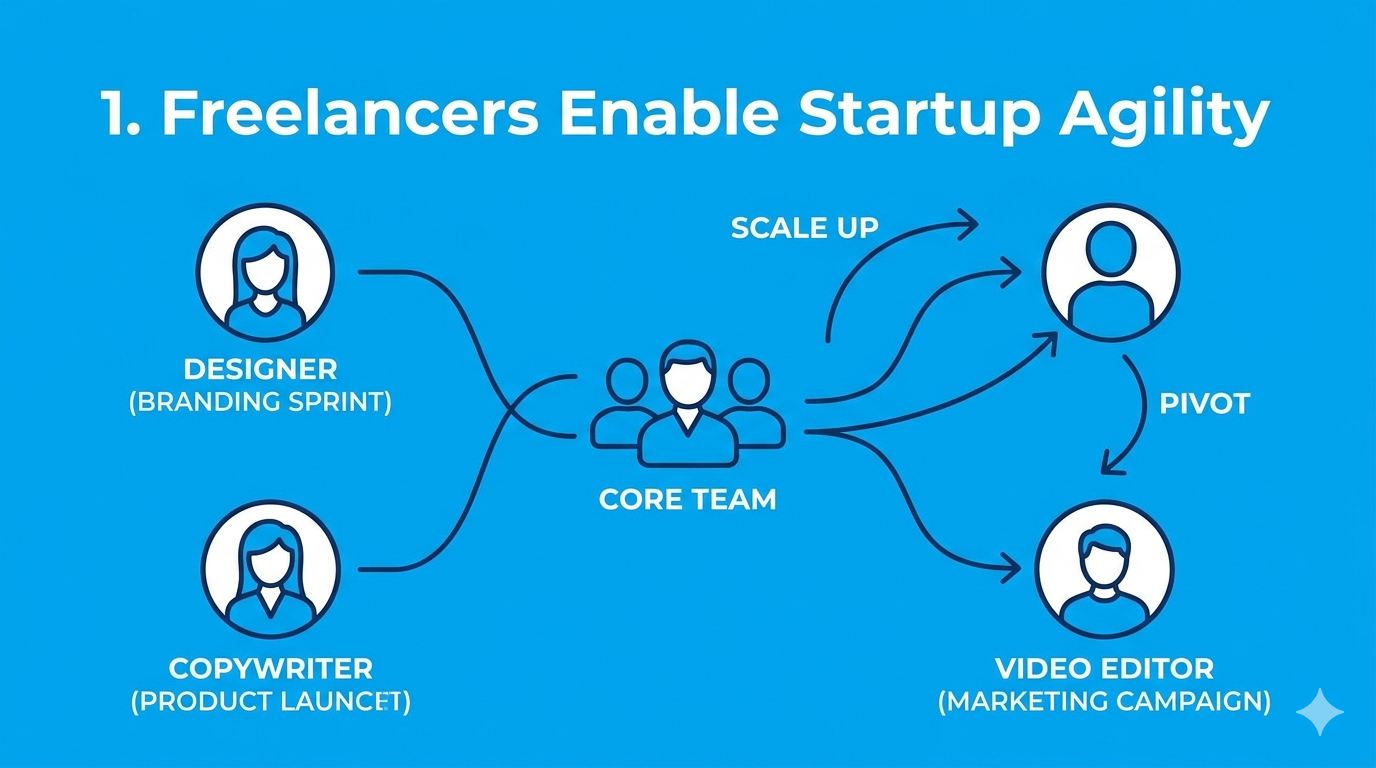
Freelancers allow startups to:
- Add skills on demand
- Scale teams up or down quickly
- Test ideas without long-term commitments
- Pivot faster when needed
Instead of hiring full-time employees for every role, startups can bring in freelancers only when required.
For example:
- A designer for a branding sprint
- A copywriter for a product launch
- A video editor for a marketing campaign
This flexibility allows startups to stay nimble in fast-changing markets.
2. Cost Savings Without Sacrificing Quality
Budget constraints are one of the biggest challenges for startups.
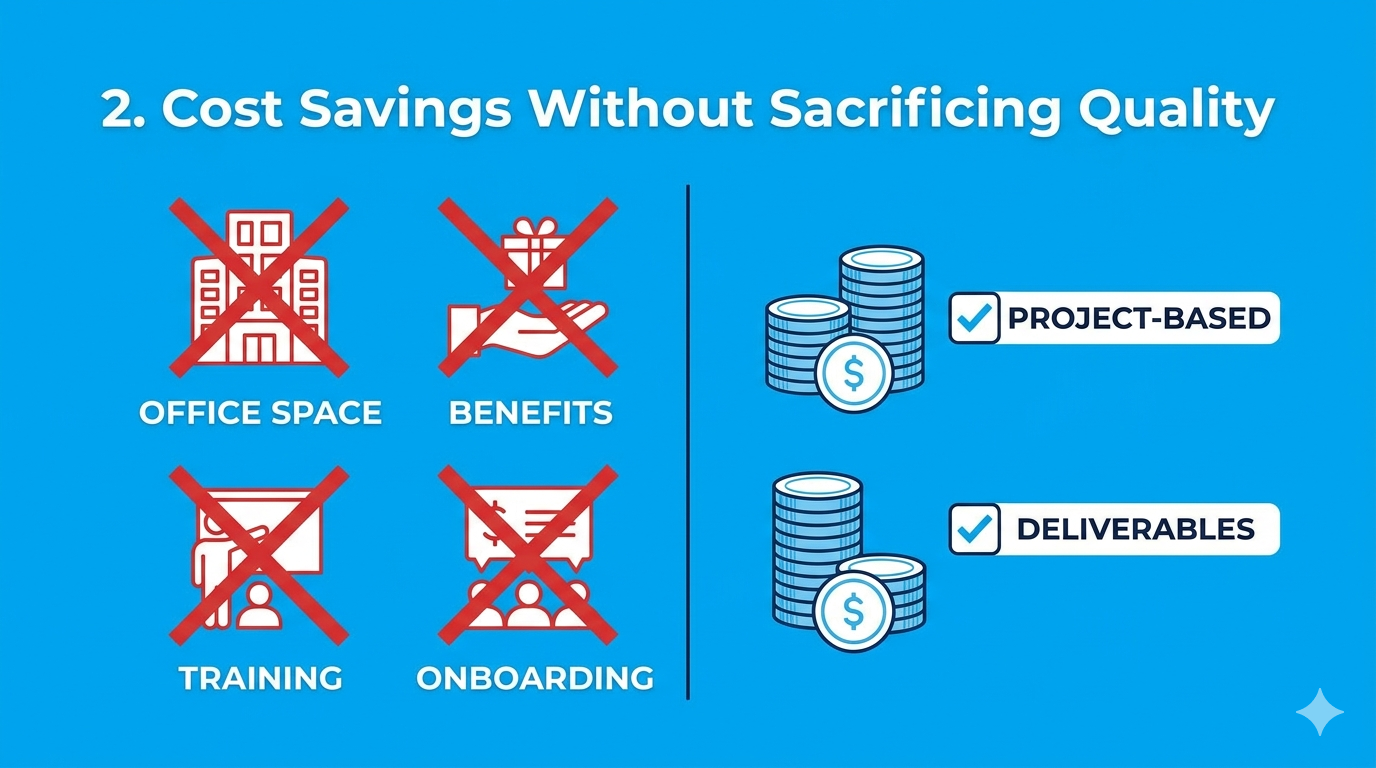
Hiring full-time employees comes with significant fixed costs, including:
- Benefits and bonuses
- Equipment and software
- Training and onboarding
Freelancers remove many of these fixed expenses.
Startups only pay for:
- Specific projects
- Deliverables
- Short-term engagements
This makes freelancers ideal for early-stage companies that need to maximize output while minimizing overhead.
In many cases, startups can redirect savings into product development, marketing, or customer acquisition instead of permanent headcount.
3. Faster Speed of Execution
Startups often win by moving faster than competitors.
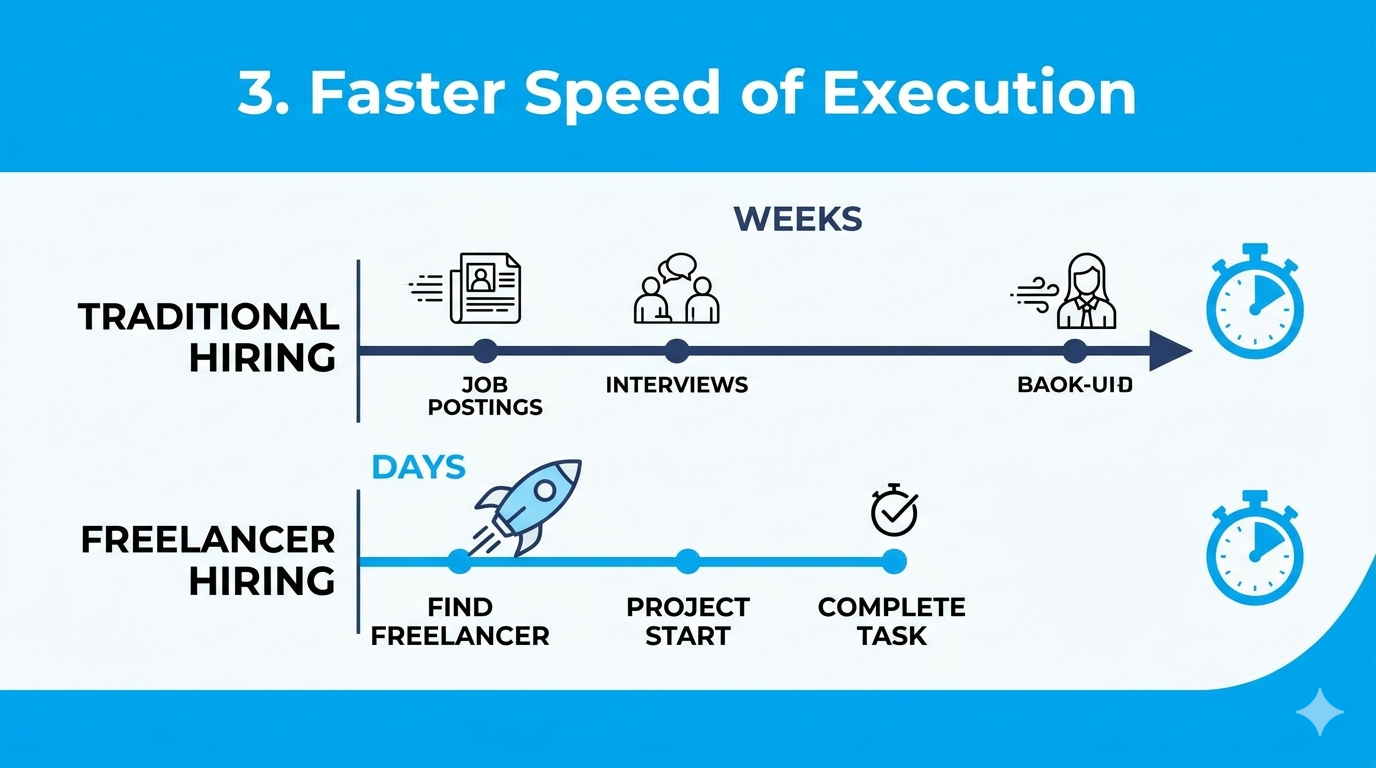
Freelancers help reduce execution time in several ways:
No lengthy hiring process
No job postings, interviews, or onboarding cycles.
Immediate availability
Many freelancers can start within days.
Focused output
Freelancers are typically hired for specific tasks, which leads to faster completion.
For example:
Instead of hiring a full-time designer over several weeks, a startup can immediately hire a freelancer to complete a landing page, pitch deck, or campaign assets within days.
Speed is often the difference between capturing or missing market opportunities.
4. Freelancers Support MVP Development
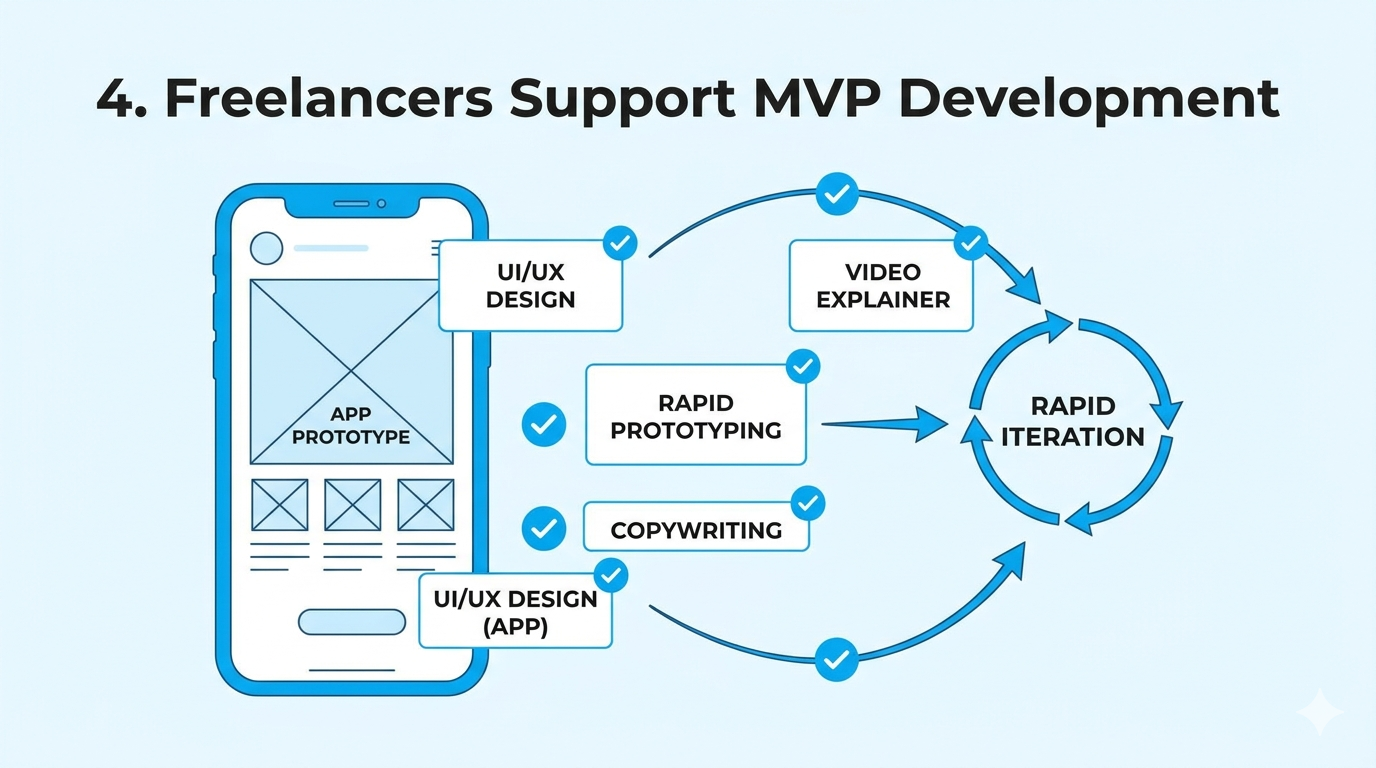
Minimum Viable Product (MVP) development is a critical phase for startups.
During this stage, the goal is to test ideas quickly with minimal resources.
Freelancers are ideal for MVP development because they provide:
- Rapid prototyping support
- Design and branding for early products
- Content creation for landing pages
- UI/UX design for early-stage apps
- Video or marketing materials for validation
Startups don’t need a full in-house team to validate ideas. Instead, freelancers can provide just enough expertise to launch, test, and iterate.
This reduces time-to-market significantly.
5. Lean Team Structure for Maximum Efficiency
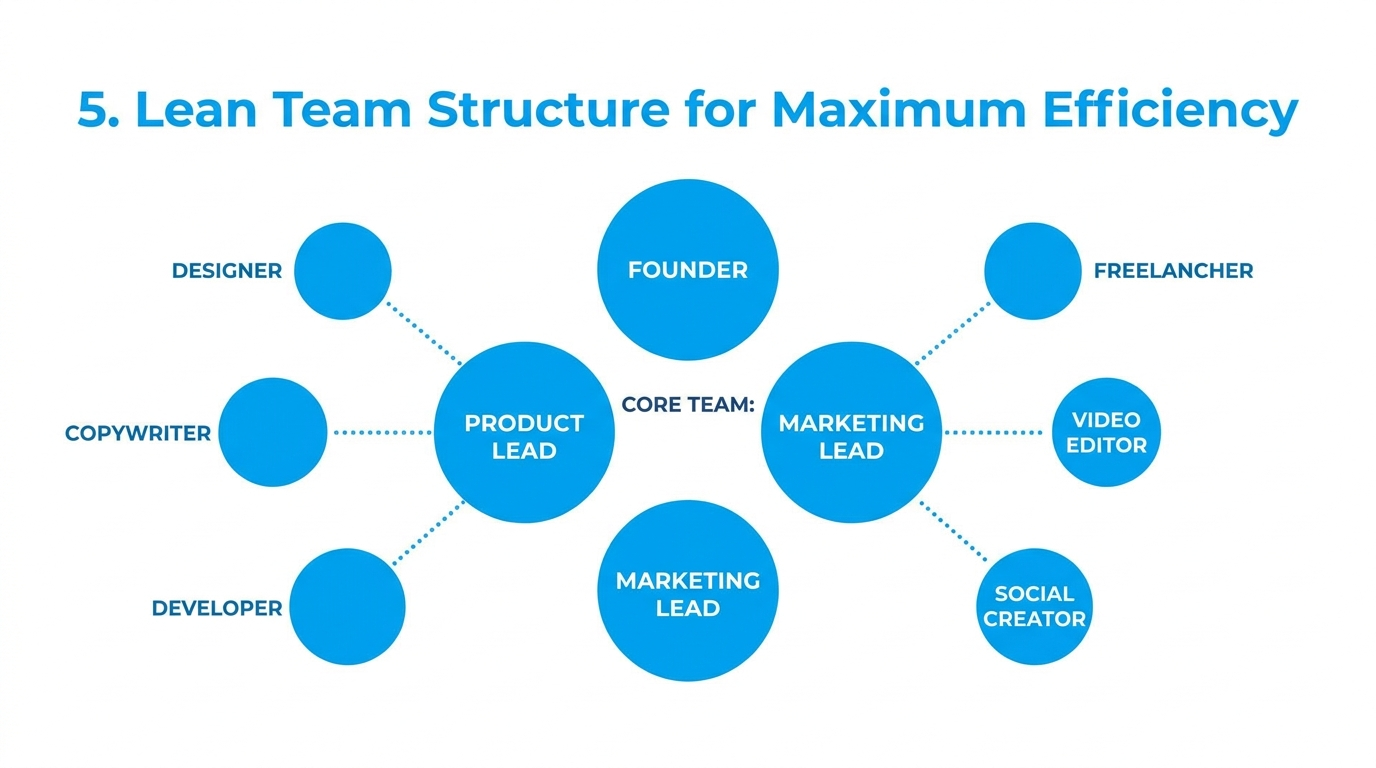
Successful startups often follow a lean team model.
Instead of hiring large internal teams, they maintain a small core group and rely on freelancers for specialized tasks.
Typical Lean Startup Structure:
Core Team:
- Founder(s)
- Product/Operations lead
- Business development or marketing lead
Freelance Support:
- Graphic designers
- Copywriters
- Video editors
- UI/UX designers
- Developers (if needed)
- Social media creators
This structure allows startups to stay flexible while still accessing high-quality expertise.
6. Reduced Management Overhead
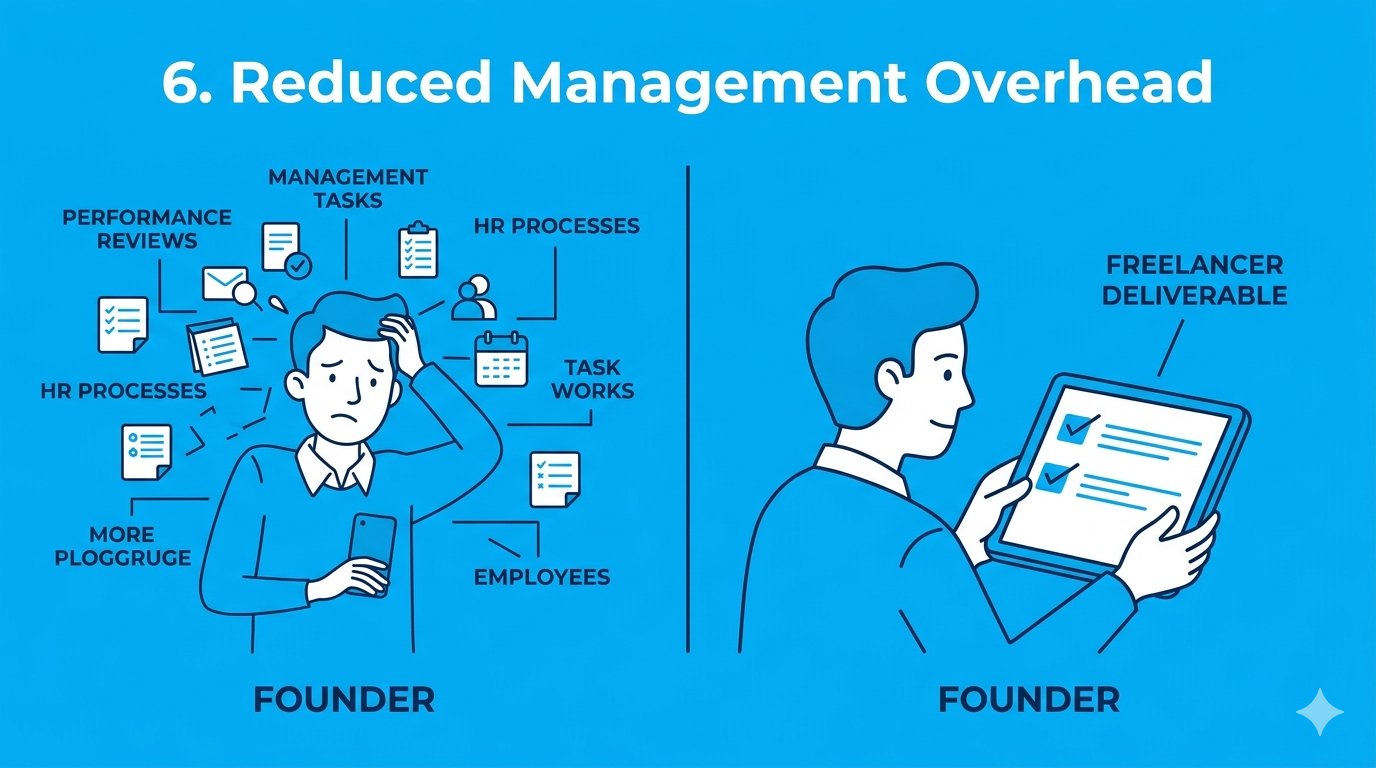
Full-time teams require ongoing management, HR processes, and performance tracking.
Freelancers, on the other hand:
- Work independently
- Require less supervision
- Focus on specific deliverables
- Operate on clear timelines
This reduces management burden for startup founders who often already juggle multiple responsibilities.
However, clear communication and structured briefs are still essential for success.
7. Global Talent Access
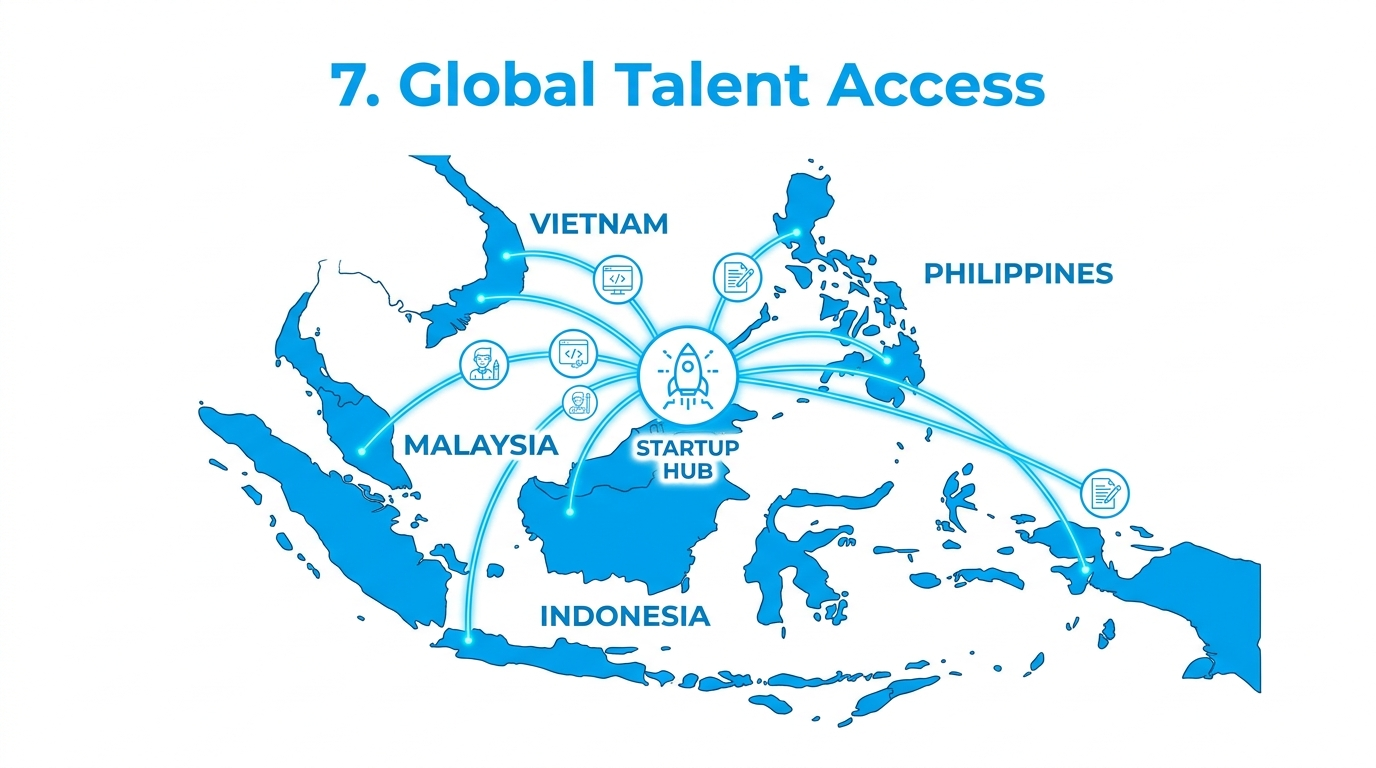
Freelancers open the door to a global talent pool.
Startups are no longer limited to local hiring. They can work with:
- Designers from Malaysia
- Developers from Indonesia
- Copywriters from the Philippines
- Video editors from Vietnam
This access to diverse talent allows startups to compete at a higher level without increasing internal headcount.
8. Challenges Startups Should Be Aware Of
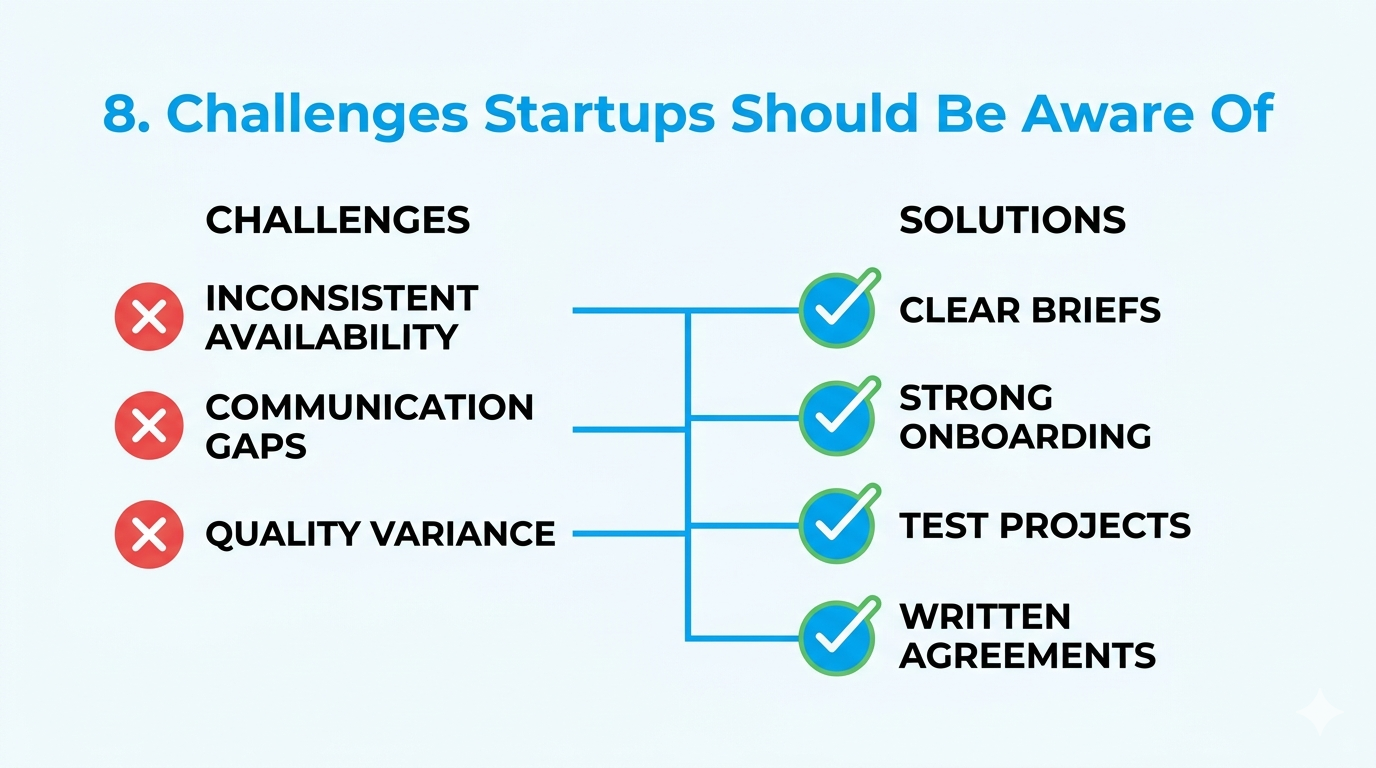
While freelancers offer many benefits, startups should also manage potential challenges:
- Inconsistent availability
- Communication gaps
- Quality variance
- Lack of long-term commitment
These risks can be minimized through:
- Clear project briefs
- Strong onboarding processes
- Test projects
- Written agreements
- Reliable platforms for sourcing talent
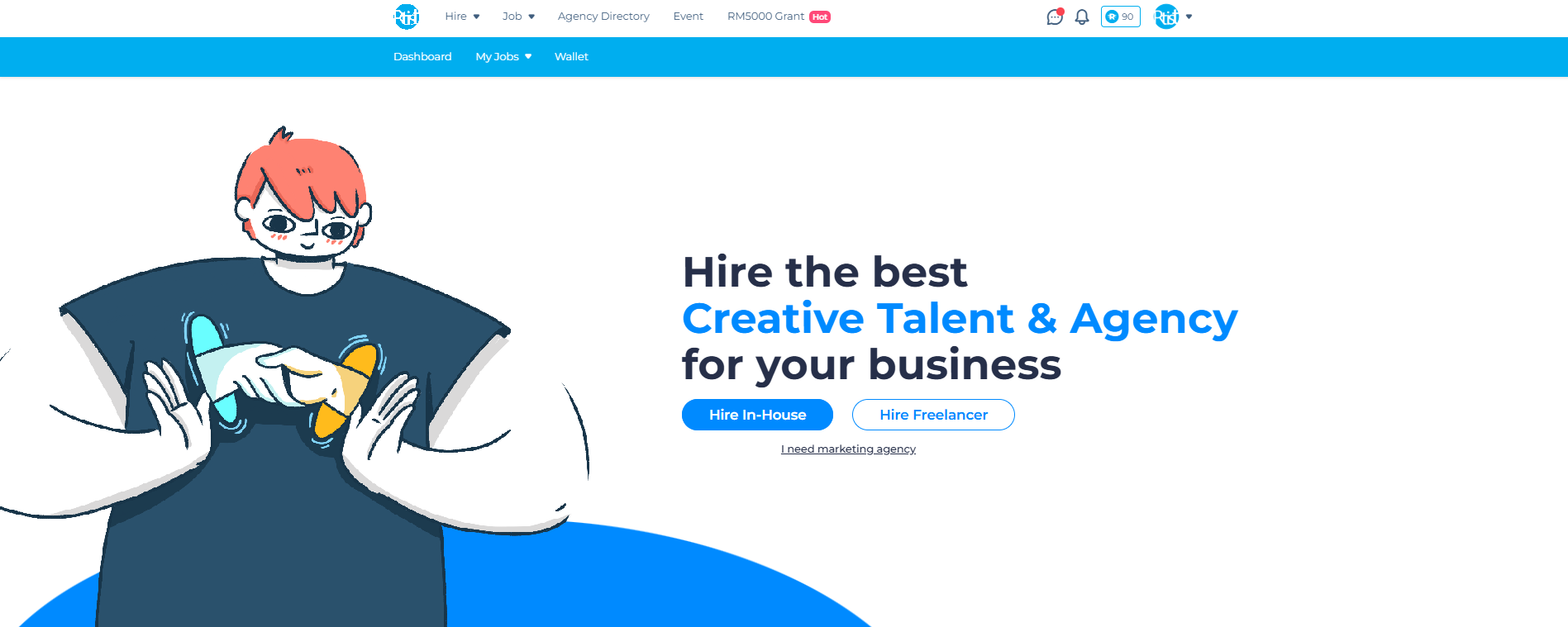
For creative roles specifically, platforms like www.rtist.co help startups discover vetted designers, illustrators, content creators, and video editors through portfolio-based browsing, reducing uncertainty in the hiring process.
Final Thoughts
Freelancers give startups a powerful advantage: the ability to move fast without building heavy organizational structures.
In today’s competitive environment, the ability to execute quickly often matters more than the size of the team.
Startups that learn how to effectively integrate freelancers into their workflow will be better positioned to grow, adapt, and compete in fast-moving markets.
And as creative hiring becomes more digital and portfolio-driven, platforms like www.rtist.co are helping startups connect with the right talent faster and more efficiently.