Hiring freelancers can be one of the smartest moves for SMEs and startups in Malaysia. It offers flexibility, faster execution, and access to specialized skills without long-term commitments.
However, many businesses still struggle with freelance hiring, not because freelancers are unreliable, but because the hiring process is poorly structured.
Most problems come from avoidable mistakes such as unclear briefs, weak screening, lack of contracts, and unrealistic expectations.
In this article, we’ll break down the most common freelancer hiring mistakes and how to avoid them so your projects run smoothly and successfully.
1. Writing an Unclear Brief

One of the biggest reasons freelance projects fail is a poorly written brief.
Many businesses simply say:
“Need a designer for marketing materials.”
This is too vague.
Without clear direction, freelancers are forced to guess what you want, which leads to:
- Misaligned expectations
- Multiple revisions
- Delays in delivery
- Frustration on both sides
What a good brief should include:
- Project objective
- Target audience
- Deliverables (exact quantity and format)
- Timeline
- Brand guidelines (if available)
- Reference examples
A clear brief is the foundation of a successful freelance project.
2. Hiring Based on Price Alone

Choosing the cheapest freelancer often leads to the most expensive outcome.
Low pricing can result in:
- Poor quality work
- Lack of experience
- Missed deadlines
- Excessive revisions
While budget is important for SMEs, it should not be the only deciding factor.
Instead, businesses should evaluate:
- Portfolio quality
- Relevant experience
- Communication skills
- Reliability
A slightly higher upfront cost often saves time and money in the long run.
3. Poor Screening of Freelancers
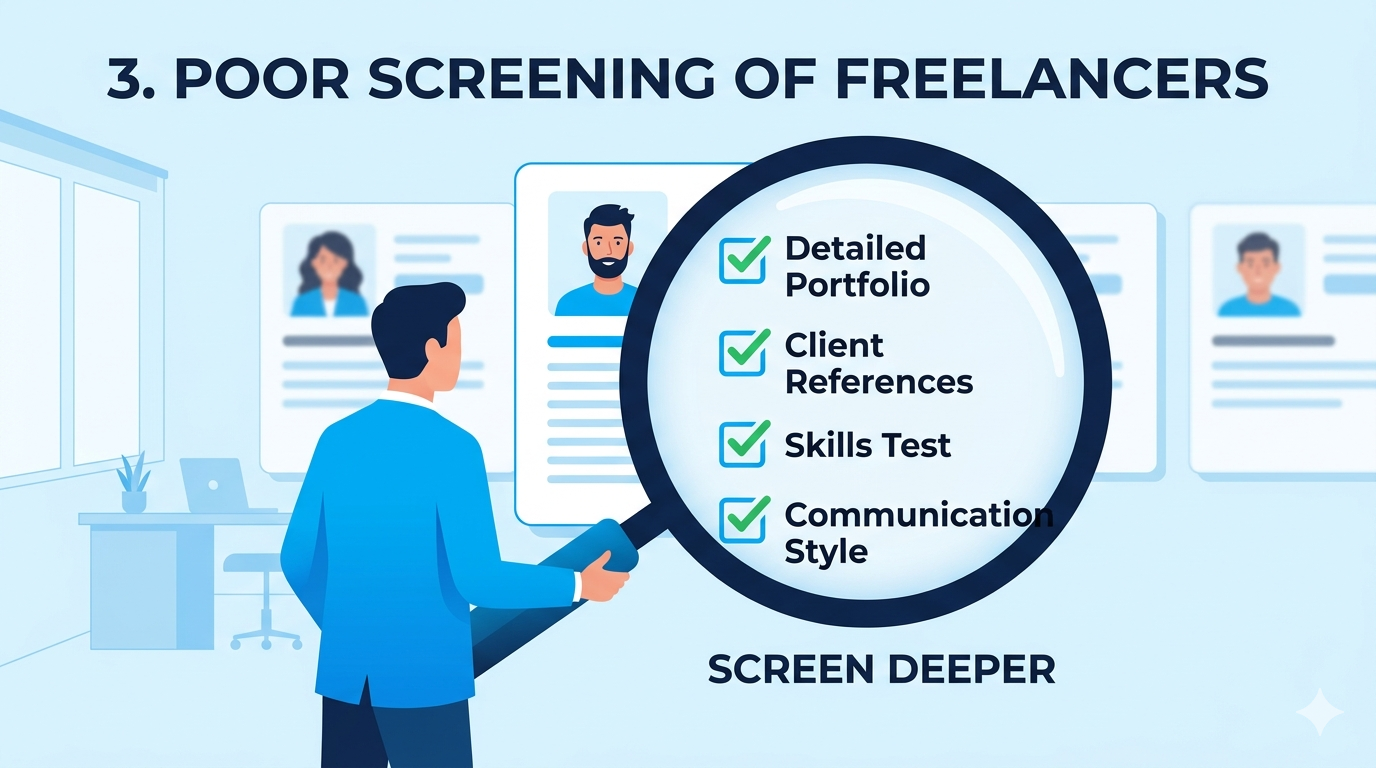
Another common mistake is rushing the hiring process.
Many businesses only look at:
- Profile photos
- Short descriptions
- A few portfolio samples
But this is not enough.
Strong screening should include:
- Portfolio review (consistency matters)
- Past client work
- Industry relevance
- Communication quality
- Turnaround time history
Without proper screening, businesses risk hiring freelancers who cannot meet expectations.
For creative roles, platforms like Rtist help businesses evaluate freelancers through structured portfolios, making it easier to assess real work quality before hiring.
4. Not Using a Contract
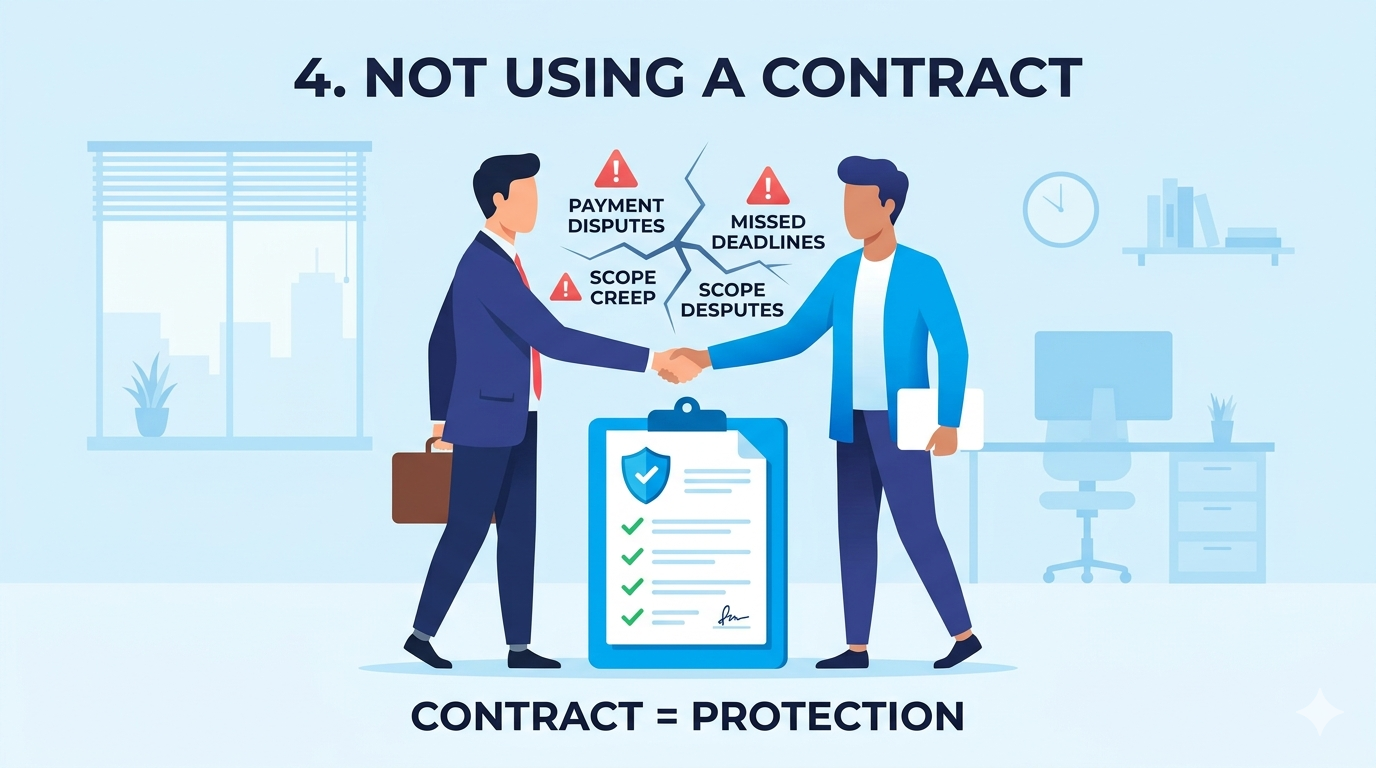
Skipping a contract is one of the riskiest mistakes SMEs make.
Even for small projects, a contract protects both parties.
Without one, businesses may face:
- Scope misunderstandings
- Payment disputes
- Missed deadlines
- Ownership issues
A basic freelancer contract should include:
- Scope of work
- Payment terms
- Timeline
- Revision limits
- Ownership rights
A simple agreement can prevent major problems later.
5. Setting Unrealistic Expectations

Many businesses expect freelancers to behave like full-time employees.
Common unrealistic expectations include:
- Instant replies at all hours
- Unlimited revisions
- Extremely fast turnaround times
- Deep involvement in internal operations
Freelancers often work with multiple clients, so expectations must be realistic and clearly defined.
Successful projects happen when both sides understand boundaries.
6. Weak Communication During the Project
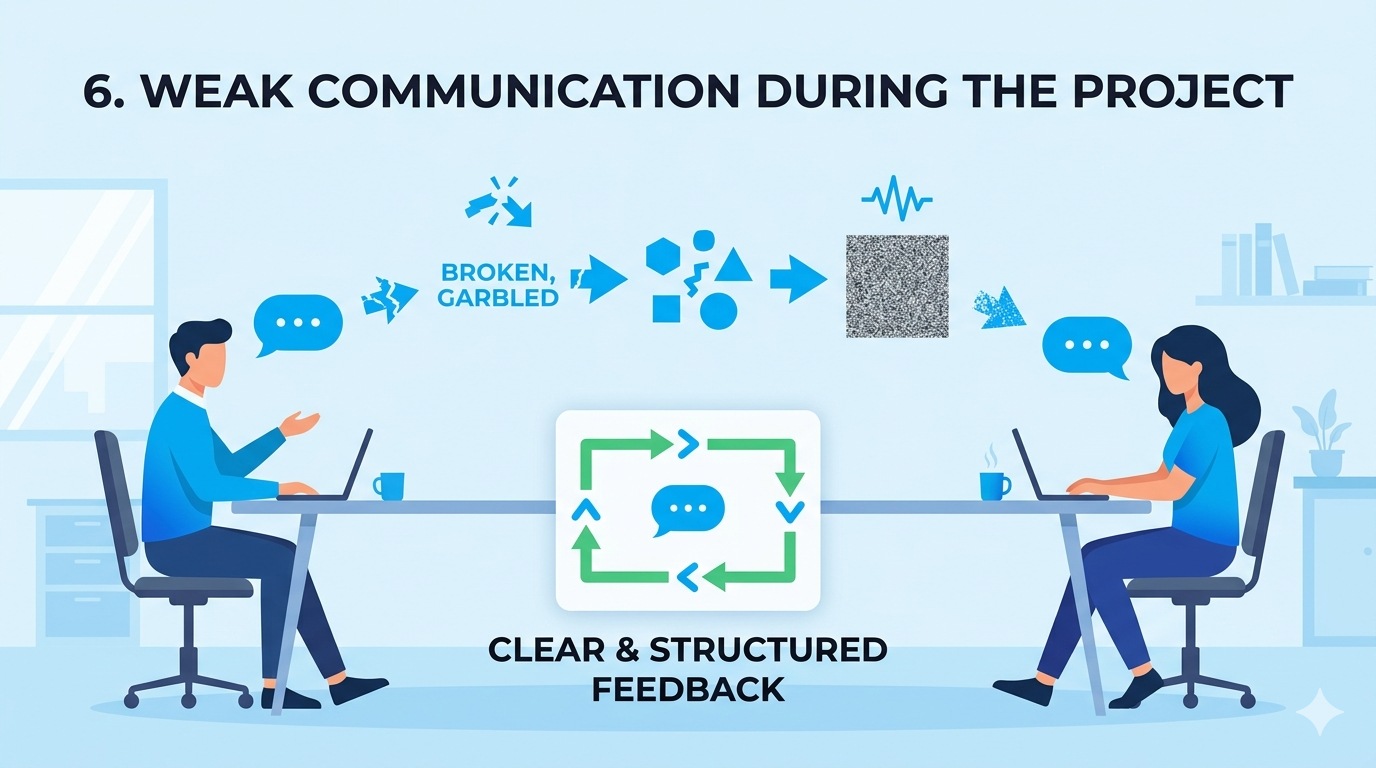
Communication is one of the most critical factors in freelance success.
Poor communication leads to:
- Misunderstandings
- Delays
- Rework
- Frustration
Common communication mistakes:
- Not providing feedback clearly
- Delayed responses from clients
- Changing requirements midway
- Vague instructions
To avoid this, businesses should:
- Use a single communication channel
- Provide structured feedback
- Confirm requirements before execution
- Maintain regular check-ins
- Clear communication reduces project friction significantly.
7. Not Starting with a Test Project
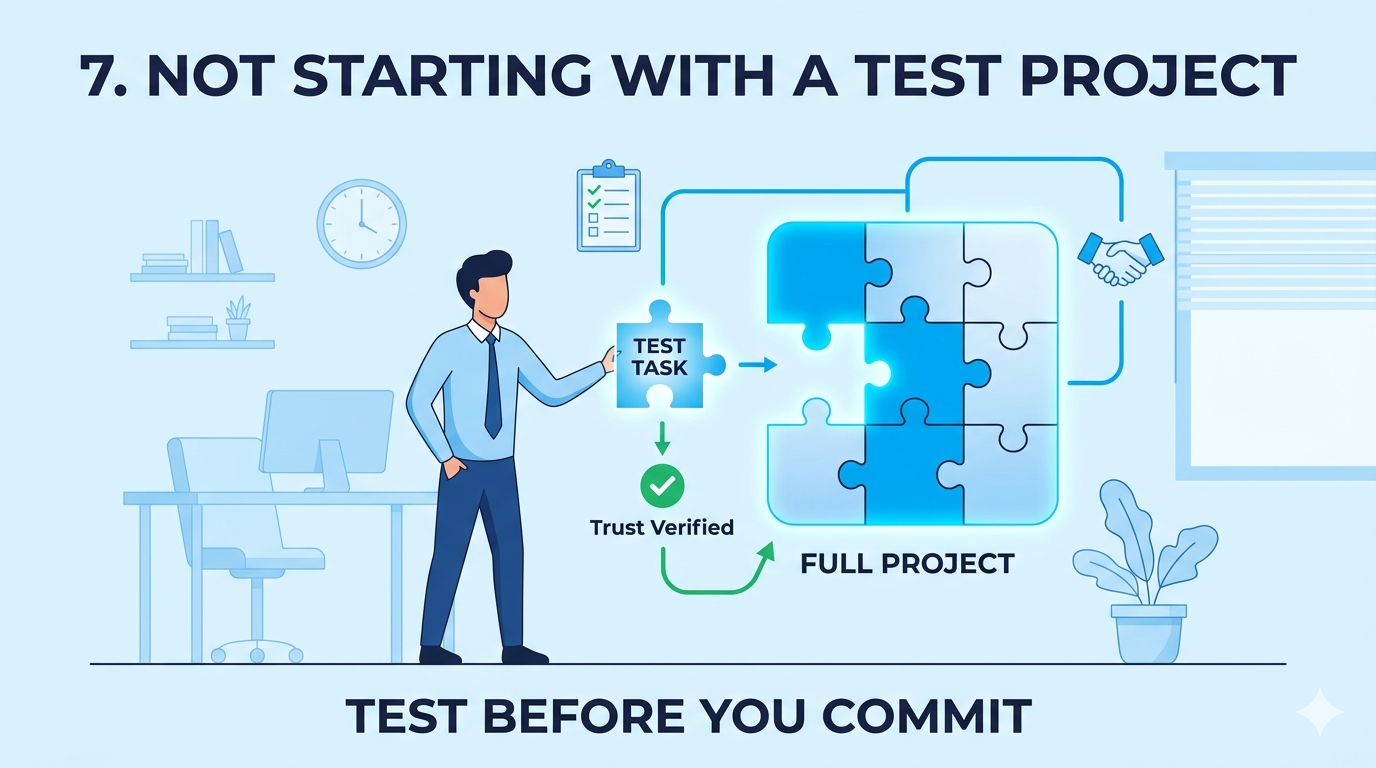
Many SMEs commit to large projects without testing the freelancer first.
This increases risk.
A better approach is to start with a small paid task such as:
- One social media post
- A single blog article
- A logo concept
- A short video edit
Test projects help evaluate:
- Quality of work
- Communication style
- Reliability
- Speed of delivery
This reduces long-term risk significantly.
8. Not Building Long-Term Freelancer Relationships
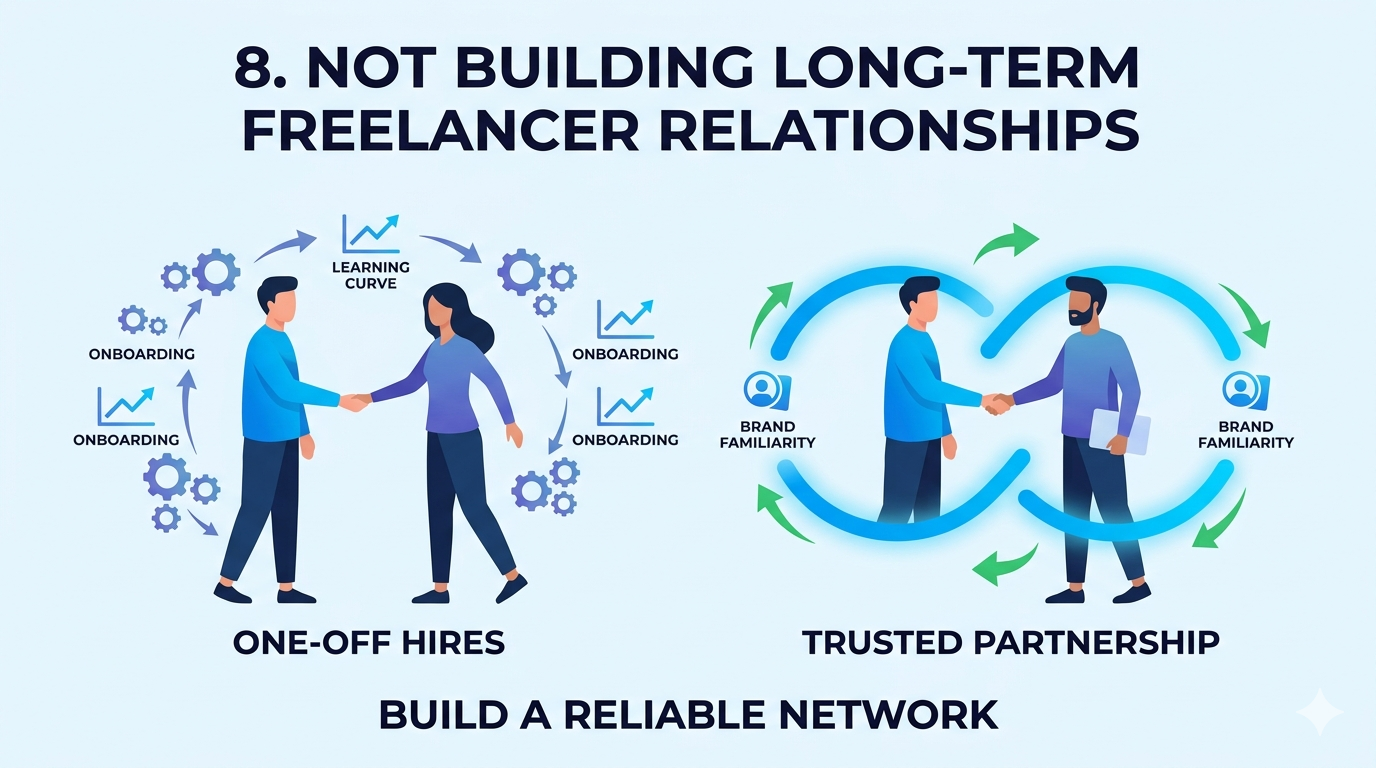
Many businesses treat freelancers as one-off hires.
This leads to:
- Repeated onboarding effort
- Inconsistent output
- Longer project timelines
Instead, businesses should build a trusted freelancer network.
Reliable freelancers can:
- Understand your brand faster
-Deliver work more consistently
- Require less supervision over time
This creates efficiency and better long-term results.
9. How to Avoid These Mistakes Altogether
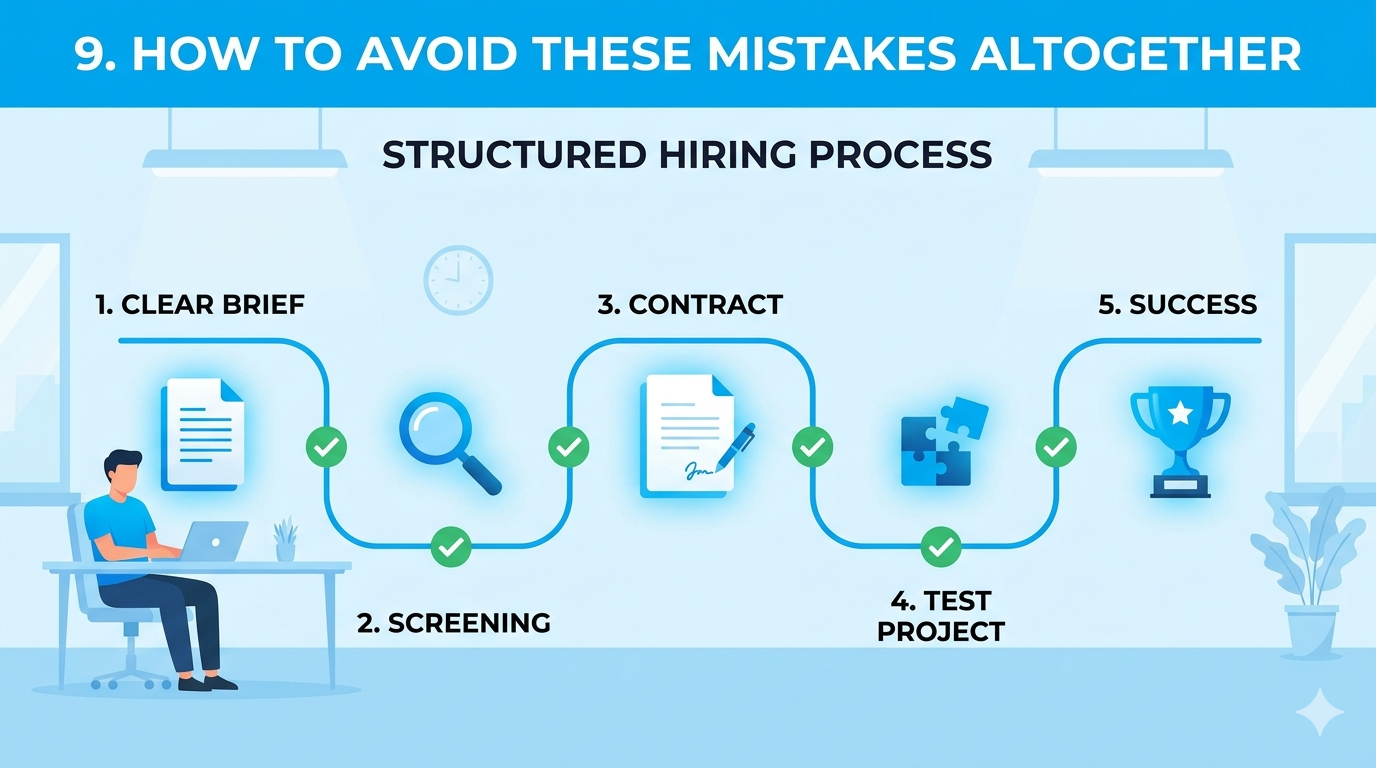
The key to successful freelance hiring is structure.
SMEs should focus on:
- Clear briefs
- Proper screening
- Contracts
- Realistic expectations
- Strong communication
- Test projects
When these elements are in place, freelancer hiring becomes significantly more reliable and efficient.
For businesses hiring creative professionals such as designers, copywriters, video editors, and content creators, platforms like www.rtist.co can help streamline the process by providing structured portfolios and easier talent discovery.
Final Thoughts
Freelancers can be a powerful asset for SMEs in Malaysia, but only when managed correctly.
Most hiring problems don’t come from freelancers themselves, but from avoidable mistakes in the hiring process.
By improving how you brief, screen, communicate, and structure freelance work, businesses can dramatically improve project outcomes and build stronger working relationships.
When done right, freelance hiring becomes not just a cost-saving solution, but a strategic advantage for business growth.