Freelance hiring in Southeast Asia has grown rapidly over the past few years, reshaping how businesses build teams, execute projects, and access talent. What was once seen as a flexible “side gig” option has now become a core part of the modern workforce across countries like Malaysia, Singapore, Indonesia, Vietnam, and the Philippines.
For SMEs and startups, this shift means greater access to talent beyond local borders, faster hiring cycles, and more flexible cost structures. At the same time, it also introduces new expectations around remote collaboration, cross-border communication, and digital-first hiring processes.
In this article, we’ll explore the key freelance hiring trends shaping Southeast Asia and what they mean for businesses today.
1. Rapid Growth of the Freelance Economy
Southeast Asia has seen a strong rise in freelance professionals across creative, tech, and marketing roles.
This growth is driven by:
- Increasing internet and smartphone penetration
- Expansion of digital platforms and e-commerce
- Rising demand for flexible work arrangements
- More professionals choosing independent careers
Freelancing is no longer limited to basic tasks. Today, businesses can hire experienced professionals in:
- Graphic design
- UI/UX design
- Copywriting and content writing
- Video production
- Social media management
- Software development
This expansion has created a large, competitive talent pool across the region.
2. Remote Work Is Now the Default Model
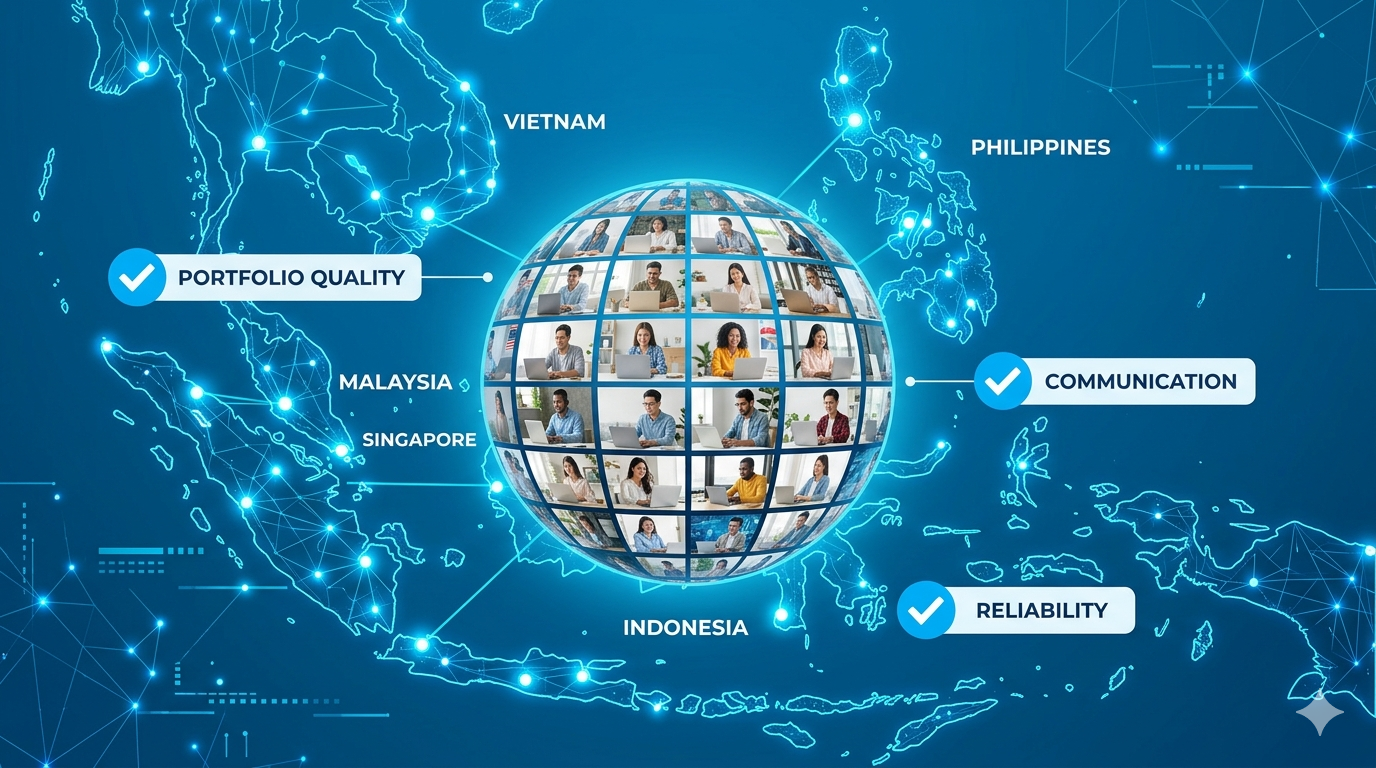
One of the biggest drivers of freelance growth is the normalisation of remote work.
Businesses are no longer restricted by geography when hiring talent. Instead, they focus on:
- Portfolio quality
- Communication skills
- Reliability
- Delivery speed
This shift allows companies to work with freelancers from different cities and countries without needing physical presence.
As a result, cross-border hiring is becoming increasingly common across Southeast Asia.
3. Cross-Border Hiring Is Increasing
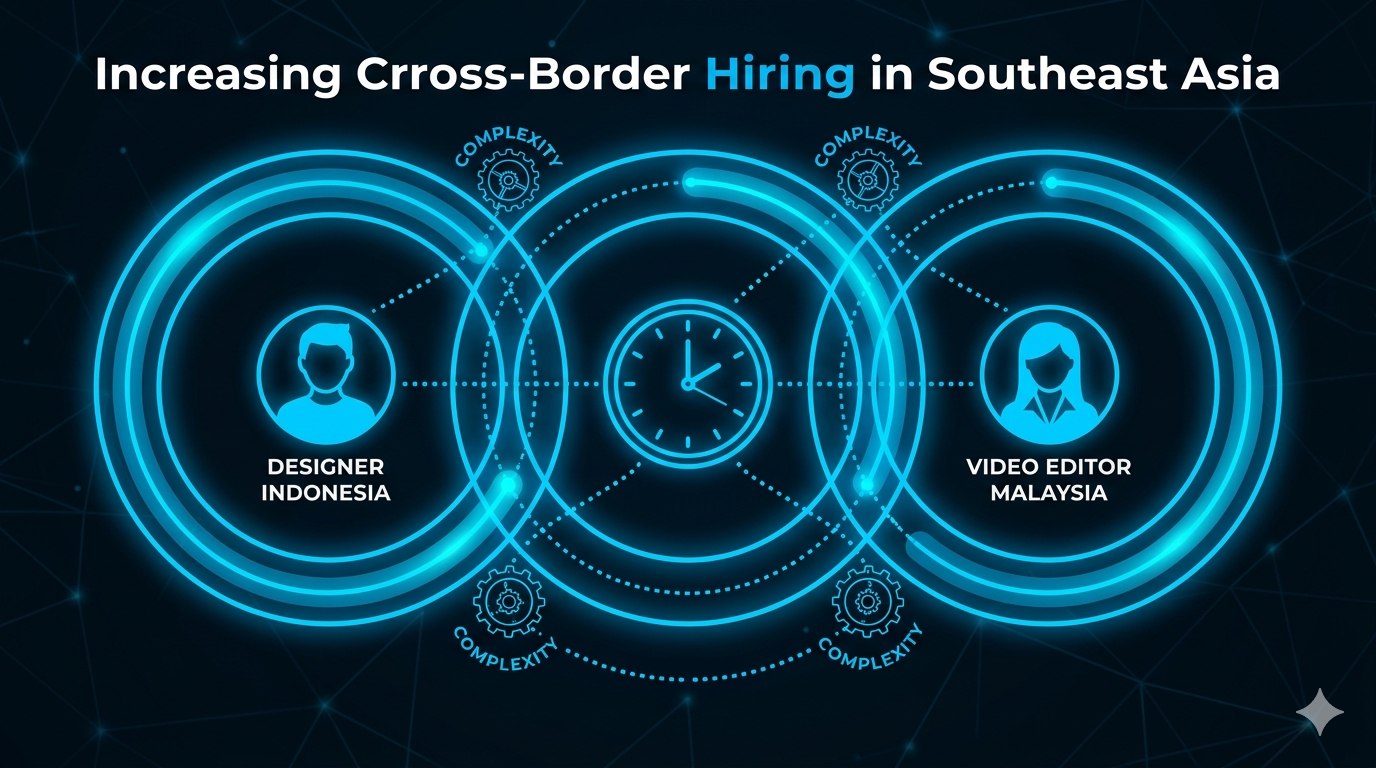
Companies are no longer limiting themselves to local talent pools.
A startup in Malaysia might now hire:
- A designer from Indonesia
- A copywriter from the Philippines
- A video editor from Malaysia
This cross-border flexibility is especially beneficial for SMEs that want access to specialized skills at competitive rates.
However, it also introduces challenges such as:
- Time zone differences
- Communication gaps
- Cultural differences in work style
- Payment and contract considerations
Despite these challenges, the benefits often outweigh the drawbacks for many businesses.
4. Digital Platforms Are Powering Freelance Hiring
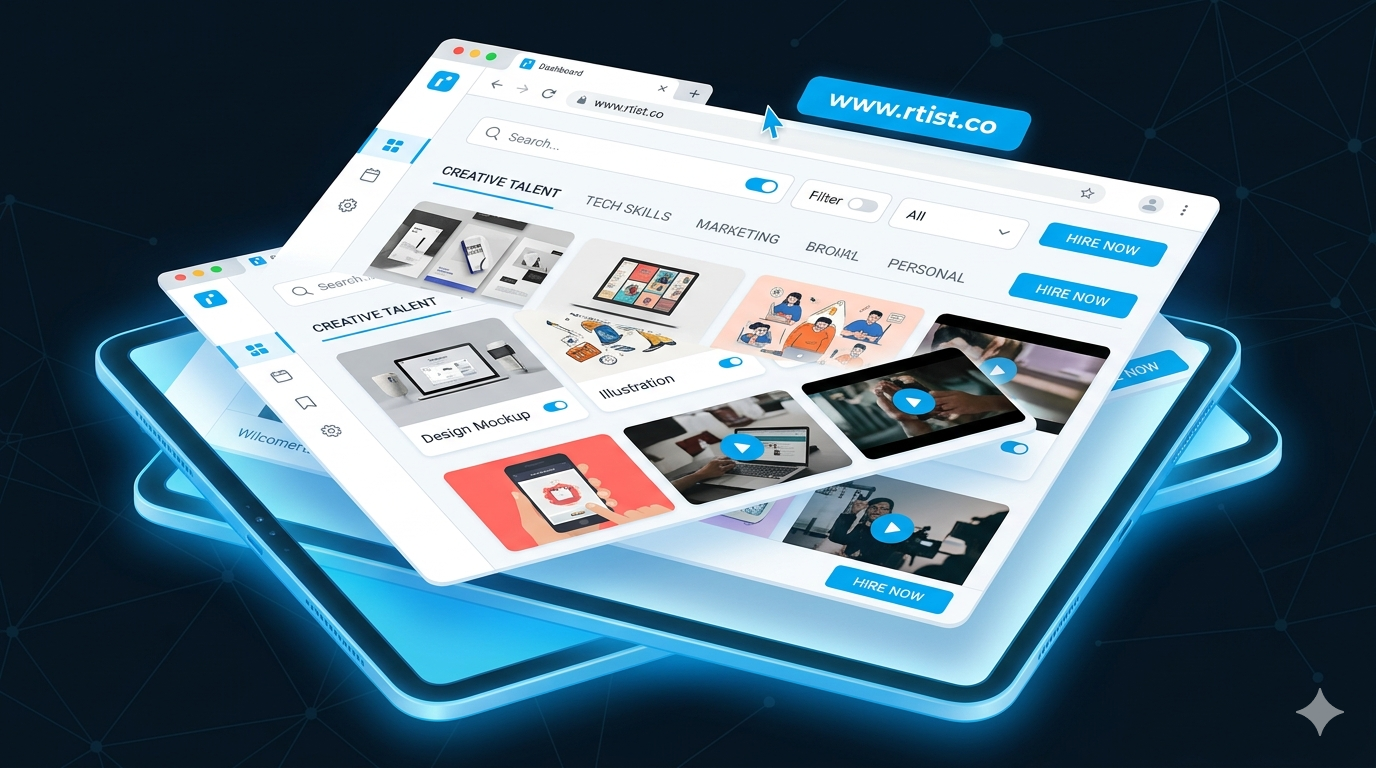
Freelance hiring today is heavily driven by digital platforms.
Businesses are increasingly using online platforms to:
- Browse portfolios
- Compare freelancers
- Review ratings and past work
- Hire talent faster
Instead of relying solely on referrals or manual searches, companies now prefer structured platforms that reduce hiring uncertainty.
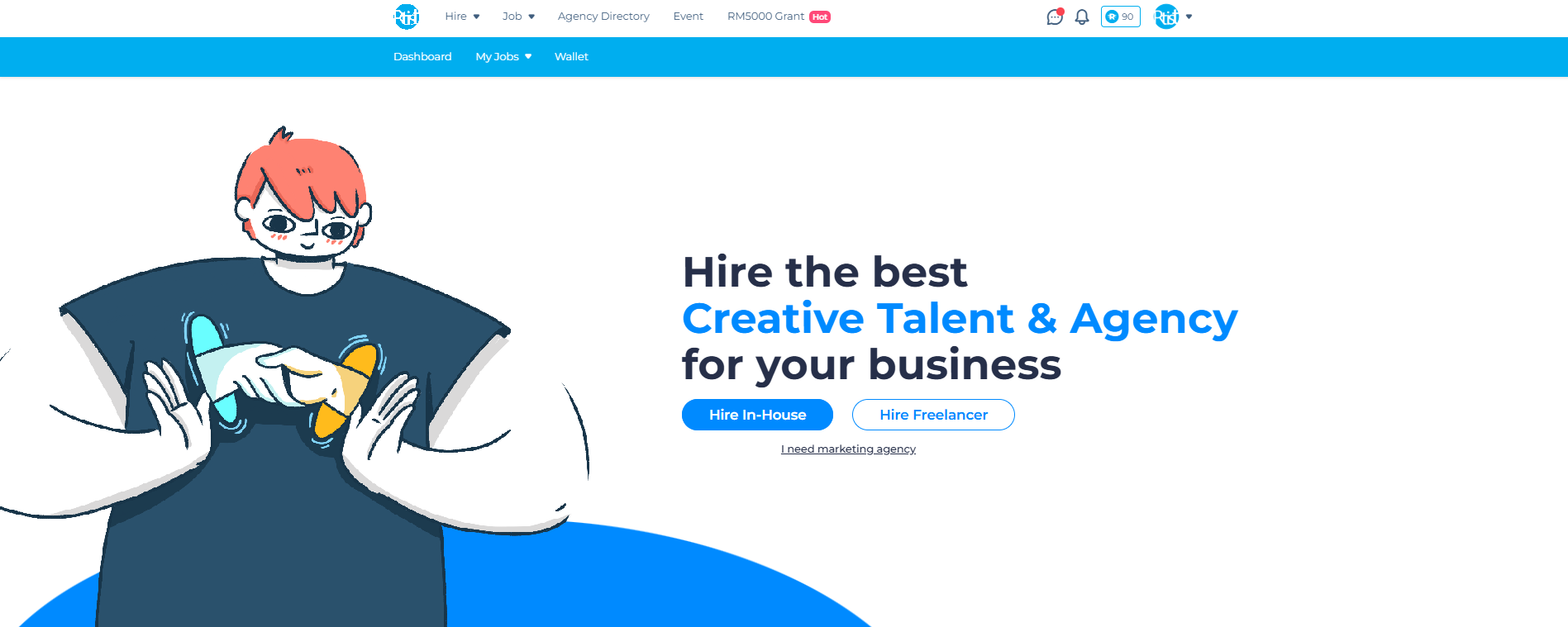
For example, platforms like www.rtist.co allow businesses to discover creative professionals such as graphic designers, illustrators, content creators, and video editors through portfolio-based browsing.
This shift toward digital-first hiring has made the freelance ecosystem more transparent and efficient.
5. SMEs Are Driving Demand for Freelancers
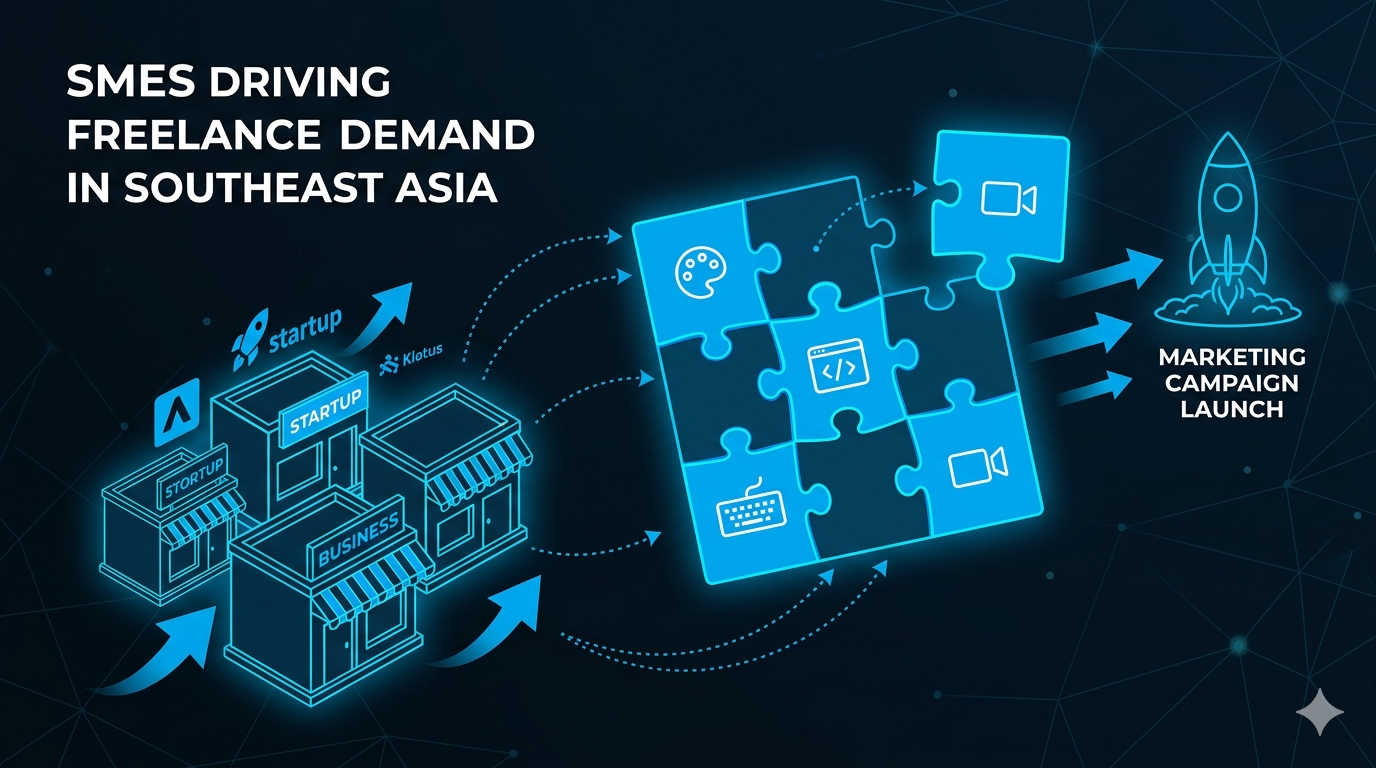
Small and medium-sized businesses are the biggest contributors to freelance hiring growth in Southeast Asia.
This is because SMEs typically:
- Operate with limited budgets
- Need flexible workforce solutions
- Require fast execution for marketing campaigns
Freelancers allow SMEs to scale their workforce up or down depending on business needs without increasing fixed costs.
6. Specialized Skills Are in Higher Demand

Another key trend is the increasing demand for specialized freelance skills.
Businesses are no longer hiring generalists for everything. Instead, they prefer specialists for specific outcomes.
High-demand freelance skills include:
- Brand design and identity creation
- UI/UX design for apps and websites
- Performance marketing content
- Short-form video production (TikTok, Reels)
This shift reflects a more mature freelance economy where businesses prioritize expertise over availability.
7. Project-Based Work Is Replacing Long-Term Contracts

Instead of long-term freelance arrangements, many businesses now prefer:
- Project-based hiring
- Monthly retainers
- Campaign-based collaborations
This allows companies to stay agile and adjust their workforce based on immediate needs.
For example:
- A product launch may require a designer for 2–4 weeks
- A marketing campaign may need a video editor for a short period
- Content creation may run on monthly contracts
This flexibility has become a key advantage of freelance hiring.
8. The Rise of Curated Talent Platforms

With more freelancers entering the market, businesses are facing a new challenge: filtering quality talent efficiently.
This has led to the rise of curated platforms that focus on:
- Verified portfolios
- Skill-based categorization
- Faster shortlisting
- Reduced hiring risk
Instead of manually searching through hundreds of profiles, companies can now access structured talent pools.
In Malaysia, platforms like www.rtist.co are helping businesses connect with creative professionals more efficiently by focusing on portfolio-first discovery.
9. What This Means for Businesses in Southeast Asia

The freelance economy is no longer a backup option—it is becoming a core hiring strategy.
For businesses, this means:
- Hiring will become more flexible
- Teams will become more hybrid (full-time + freelance)
- Talent will be sourced globally, not just locally
- Skills will matter more than location
Companies that adapt early to this shift will gain a competitive advantage in speed, cost efficiency, and access to talent.
Final Thoughts
Freelance hiring in Southeast Asia is evolving quickly, driven by remote work, digital platforms, and changing business needs.
For SMEs and startups, this shift opens up new opportunities to build lean, agile teams without compromising on skill quality.
As the ecosystem continues to mature, businesses that learn how to effectively source and manage freelance talent will be better positioned to scale efficiently in a competitive digital economy.
Platforms like www.rtist.co are becoming part of this new hiring landscape by helping businesses connect with creative professionals in a more structured and efficient way.