Hiring a designer is not just about reviewing a portfolio, it’s about understanding how they think, communicate, and solve problems.
Many SMEs in Malaysia make hiring mistakes because they only judge design work visually, without asking the right questions during the interview stage. The result is often misaligned expectations, endless revisions, or inconsistent output.
A structured interview helps you identify whether a designer is simply “good at visuals” or truly capable of delivering work that fits your business needs.
Below are the best questions to ask during a design interview, grouped by key evaluation areas.
1. Questions About Design Process
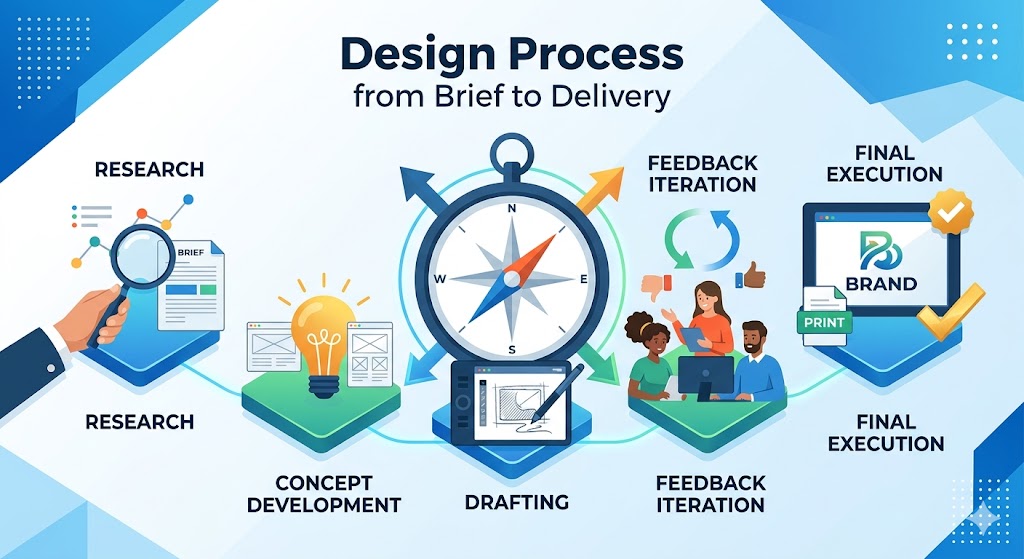
Understanding a designer’s process helps you see how they approach real projects from start to finish.
Ask:
- Can you walk me through your design process from brief to final delivery?
- How do you start when you receive a new project?
- Do you research the brand or industry before designing? If yes, how?
- How do you decide on layout, color, and style direction?
- What steps do you take before finalizing a design?
What to look for:
Good designers will explain a clear workflow, such as:
- Research
- Concept development
- Drafting
- Feedback iteration
- Final execution
If the answer is vague (“I just start designing”), it may indicate lack of structure.
2. Questions About Problem-Solving Ability
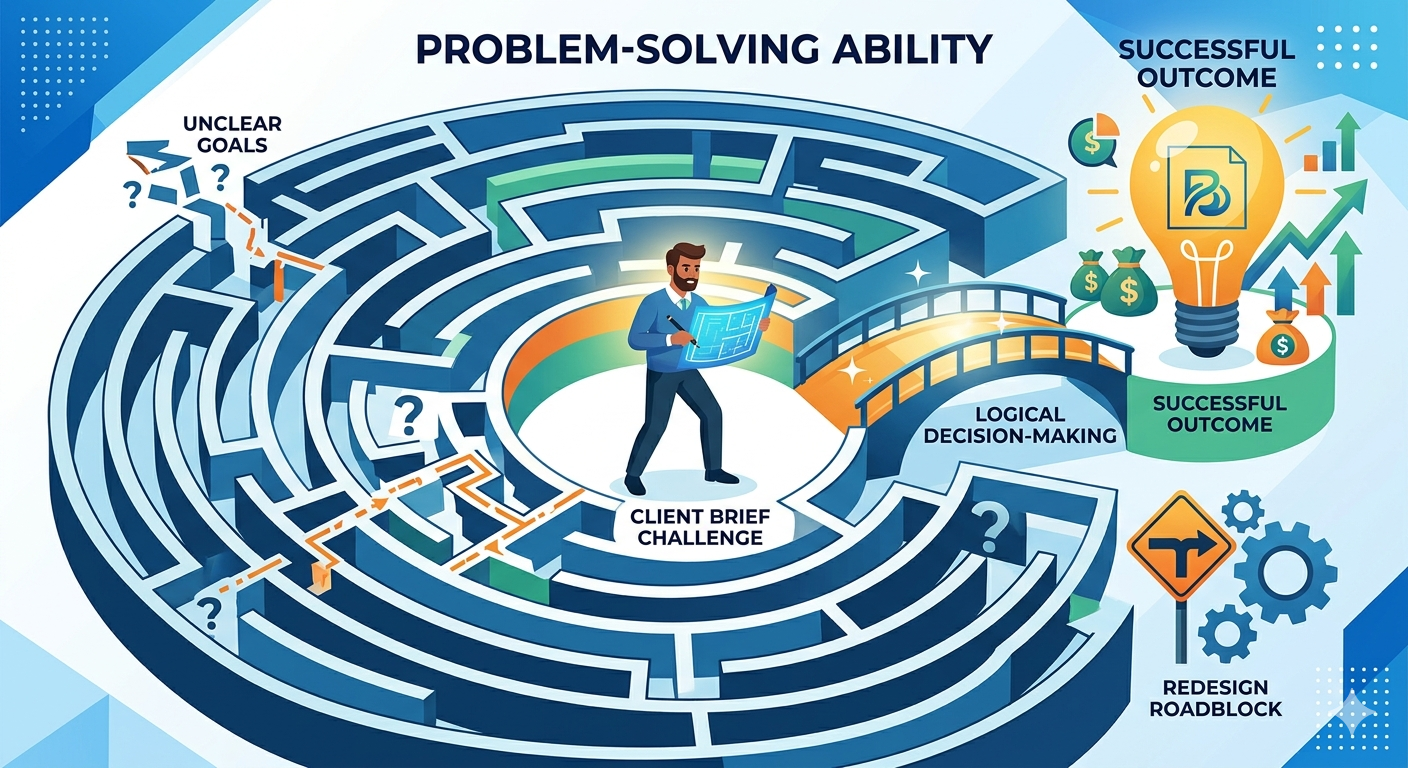
Design is not just creativity, it’s problem-solving.
Ask:
- Can you share a project where you solved a design challenge?
- How do you handle unclear or incomplete client briefs?
- What do you do when a client is unsure of what they want?
- Have you ever had to redesign something completely? What happened?
- How do you balance creativity with business goals?
What to look for:
Strong designers will:
- Talk about real challenges
- Explain decision-making logic
- Focus on outcomes, not just visuals
Weak answers usually focus only on aesthetics, not reasoning.
3. Questions About Revisions and Feedback
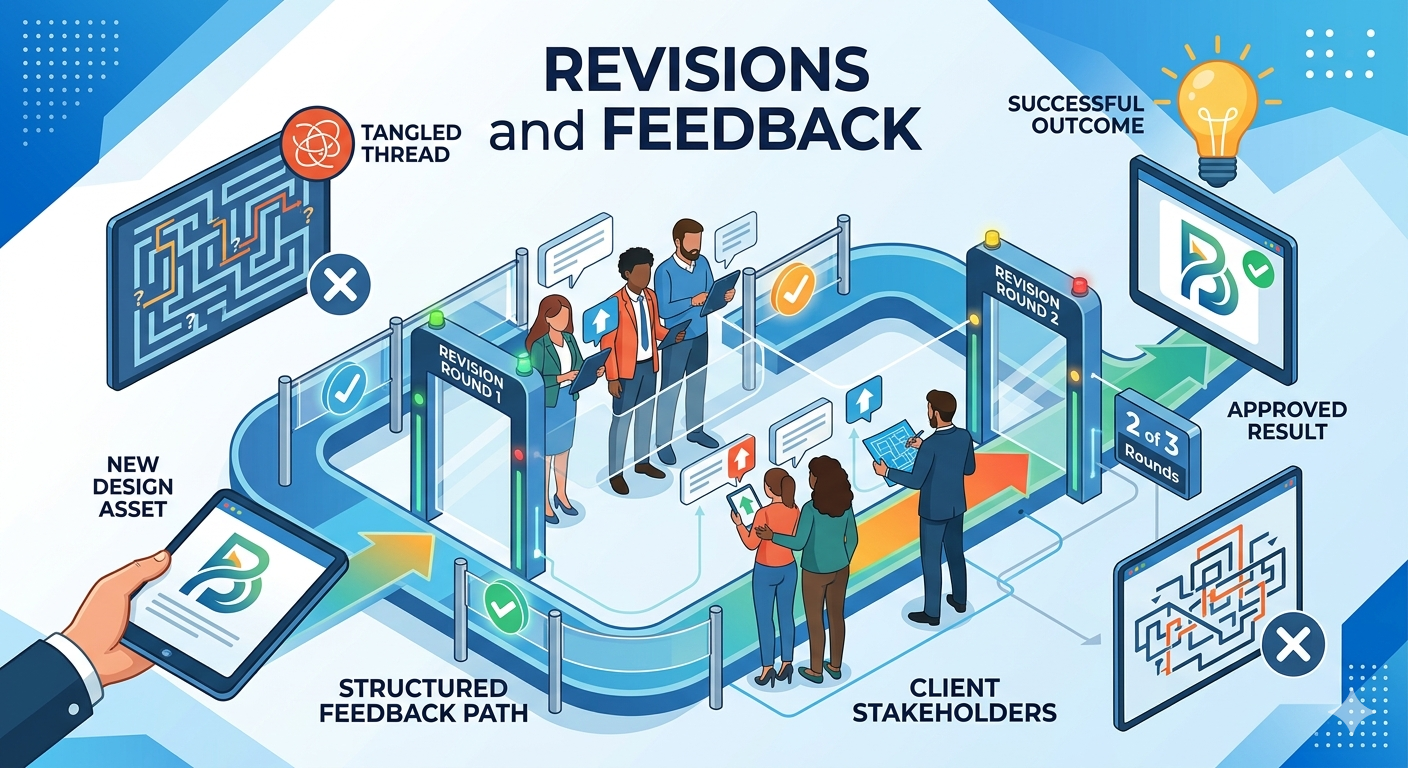
Revisions are one of the biggest pain points in design projects.
Ask:
- How do you handle client feedback and revisions?
- How many revision rounds do you usually include?
- What happens if a client requests major changes after approval?
- How do you manage conflicting feedback from different stakeholders?
- Can you give an example of a difficult revision process?
What to look for:
Good designers will:
- Set boundaries professionally
- Understand revision scope
- Stay flexible but structured
- Communicate clearly during feedback cycles
This reduces future conflict.
4. Questions About Deadlines and Time Management
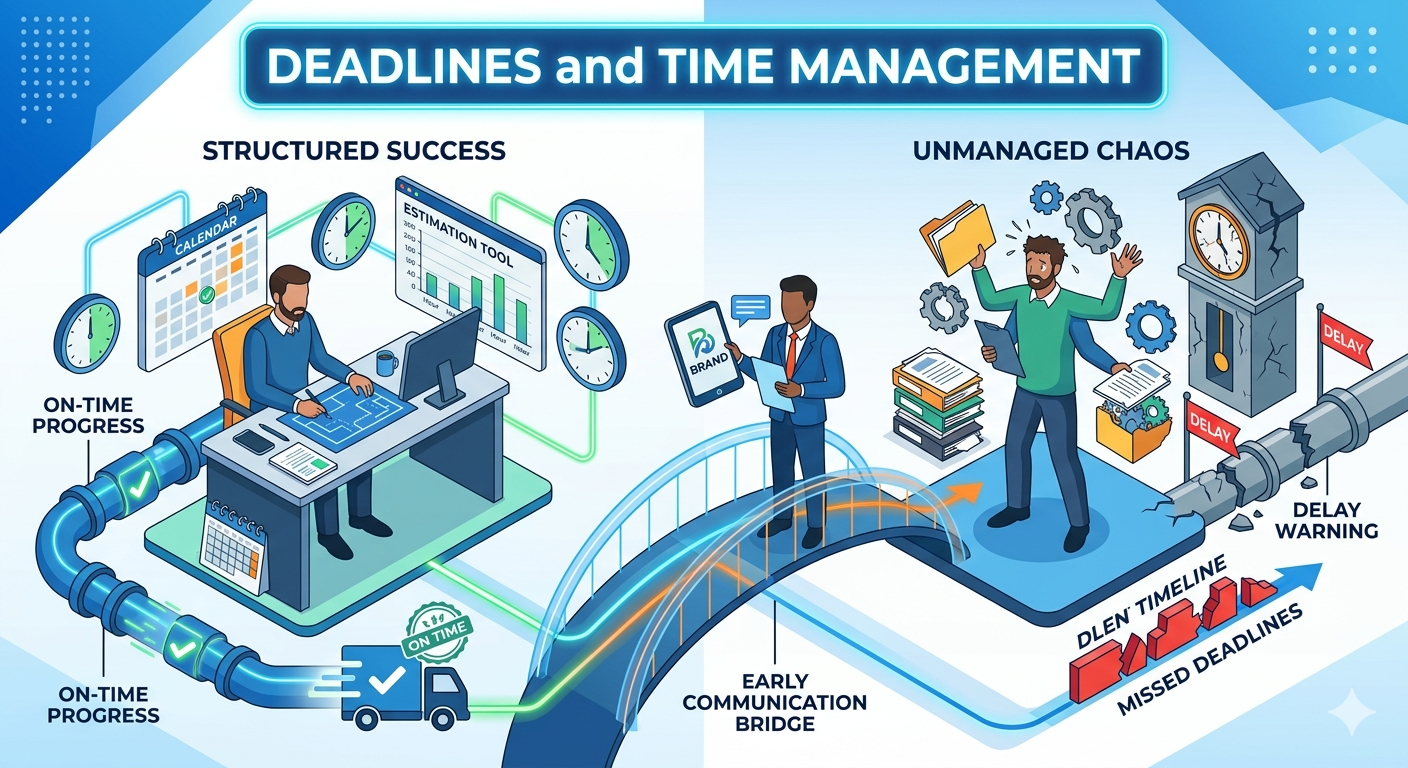
Reliability is just as important as design quality.
Ask:
- How do you manage multiple projects with different deadlines?
- What happens if you cannot meet a deadline?
- How do you estimate time for a new project?
- Have you ever missed a deadline? What did you learn from it?
- How do you prioritize urgent tasks?
What to look for:
Reliable designers will:
- Be realistic about timelines
- Communicate delays early
- Show awareness of workload management
Avoid candidates who always claim they can deliver “very fast” without context.
5. Questions About Tools and Technical Skills
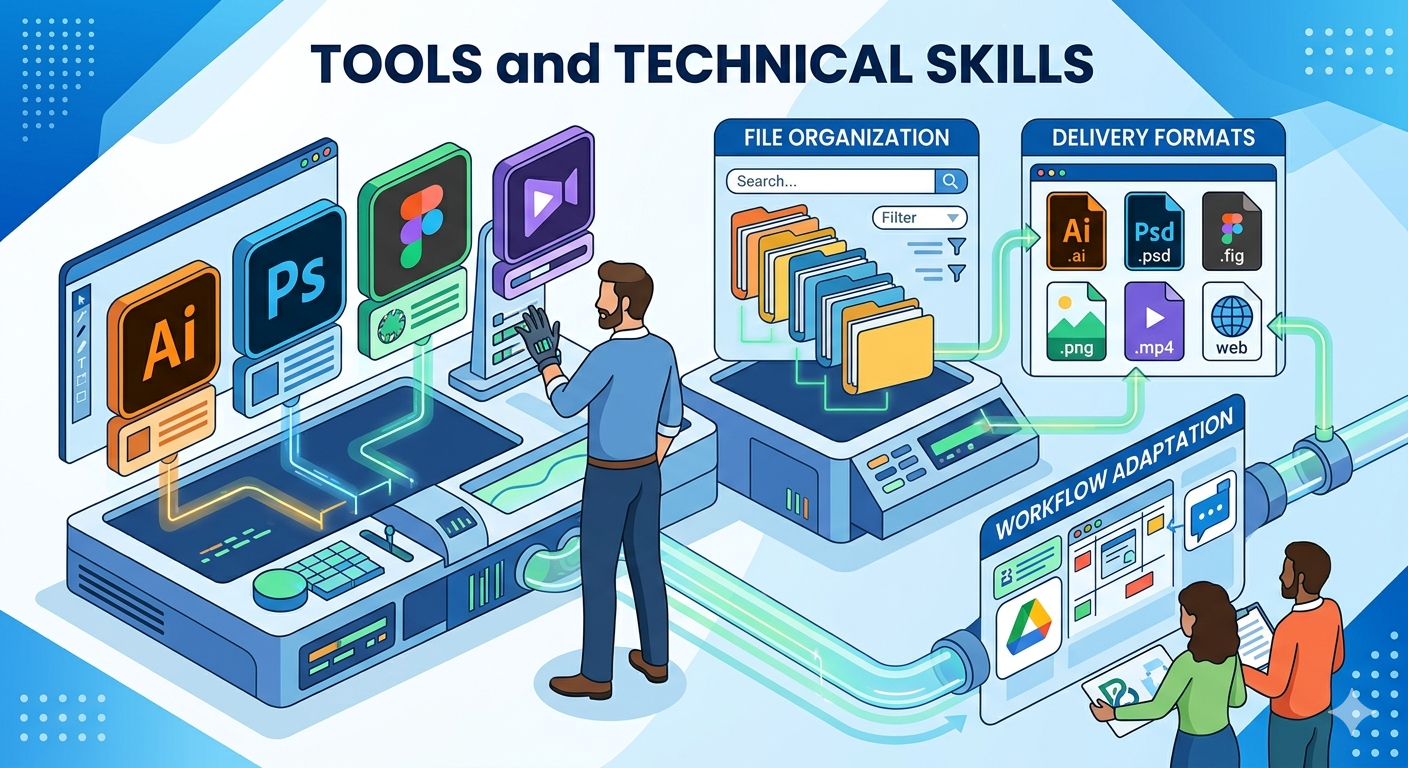
Tools alone don’t define a designer, but they help you understand workflow compatibility.
Ask:
- What design tools do you use regularly?
- Are you more comfortable with Adobe Illustrator, Photoshop, Figma, or others?
- How do you organize your design files?
- What formats do you usually deliver to clients?
Do you collaborate using any project management tools?
What to look for:
- Familiarity with industry-standard tools
- Organized file handling
- Ability to adapt to your workflow
Tool flexibility is a plus, but structure is more important than software.
6. Questions About Brand Understanding
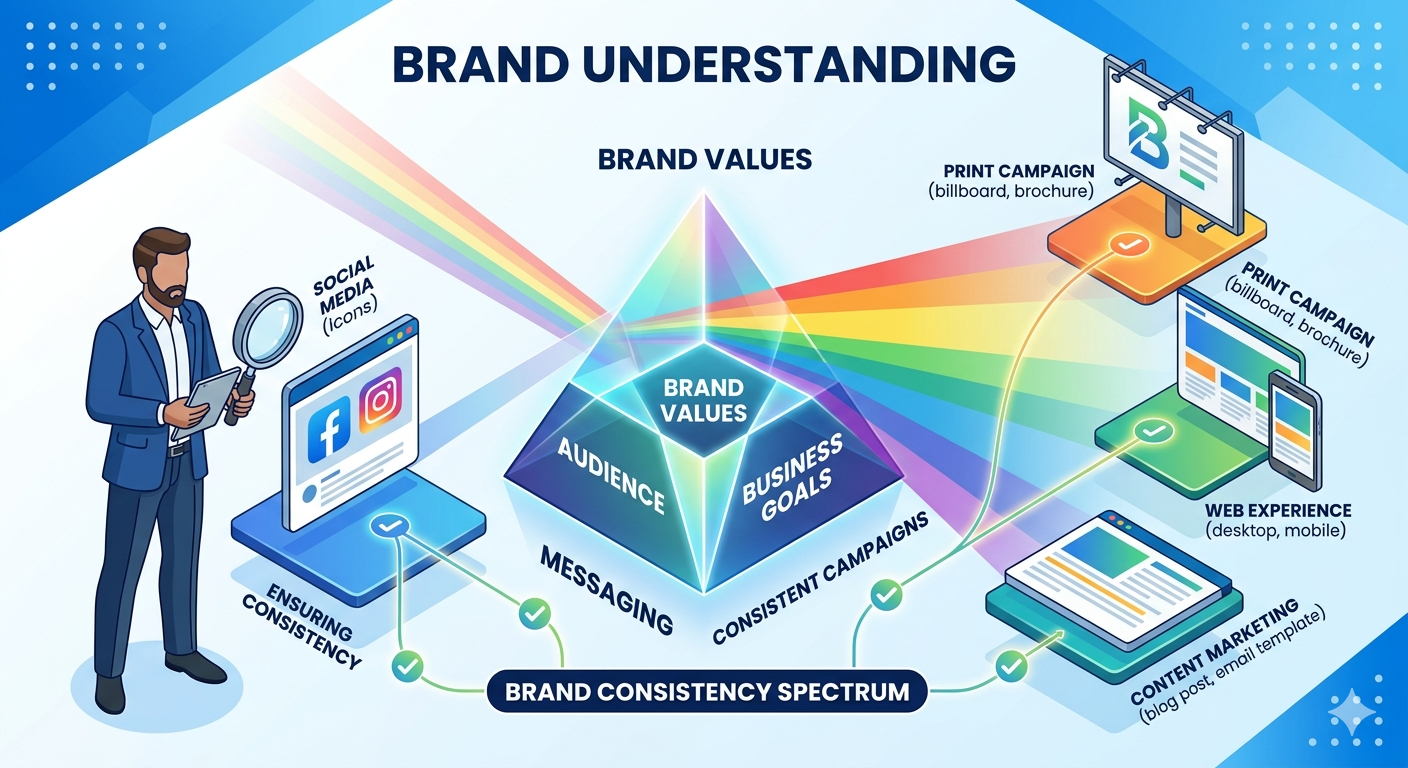
A good designer doesn’t just design, they understand branding.
Ask:
- How do you adapt your design style to different brands?
- What do you look for when understanding a new brand?
- How do you ensure consistency across different campaigns?
- Can you explain how design supports marketing goals?
What to look for:
Strong designers will connect design to:
- Audience
- Messaging
- Business goals
Not just visuals.
7. Questions About Collaboration and Communication
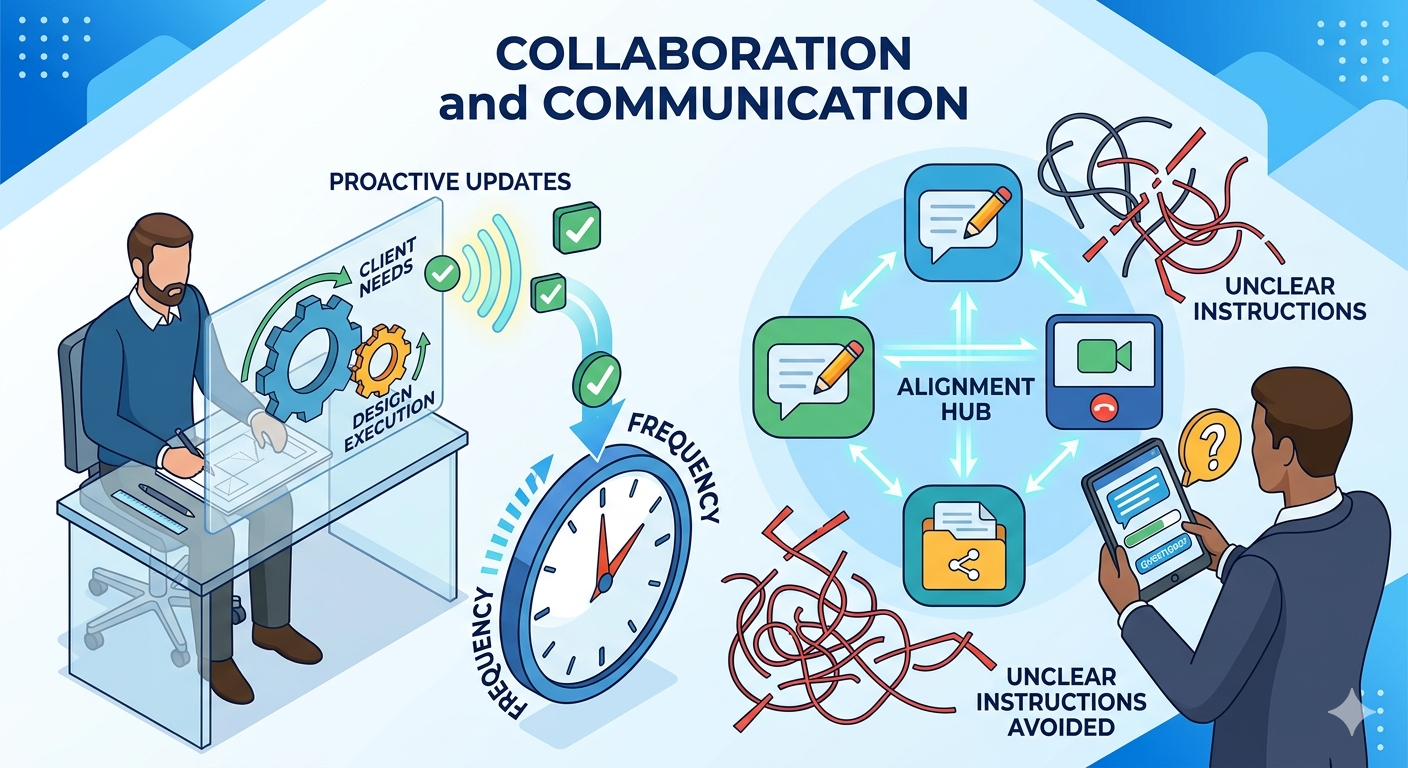
Design is collaborative, especially in business environments.
Ask:
- How do you prefer to communicate with clients?
- How often do you provide project updates?
- What do you need from a client to work effectively?
- How do you handle unclear instructions?
What to look for:
- Clear communication habits
- Proactive updates
- Ability to ask questions when needed
Poor communication often leads to project failure, even with good designers.
8. Questions About Portfolio and Past Work
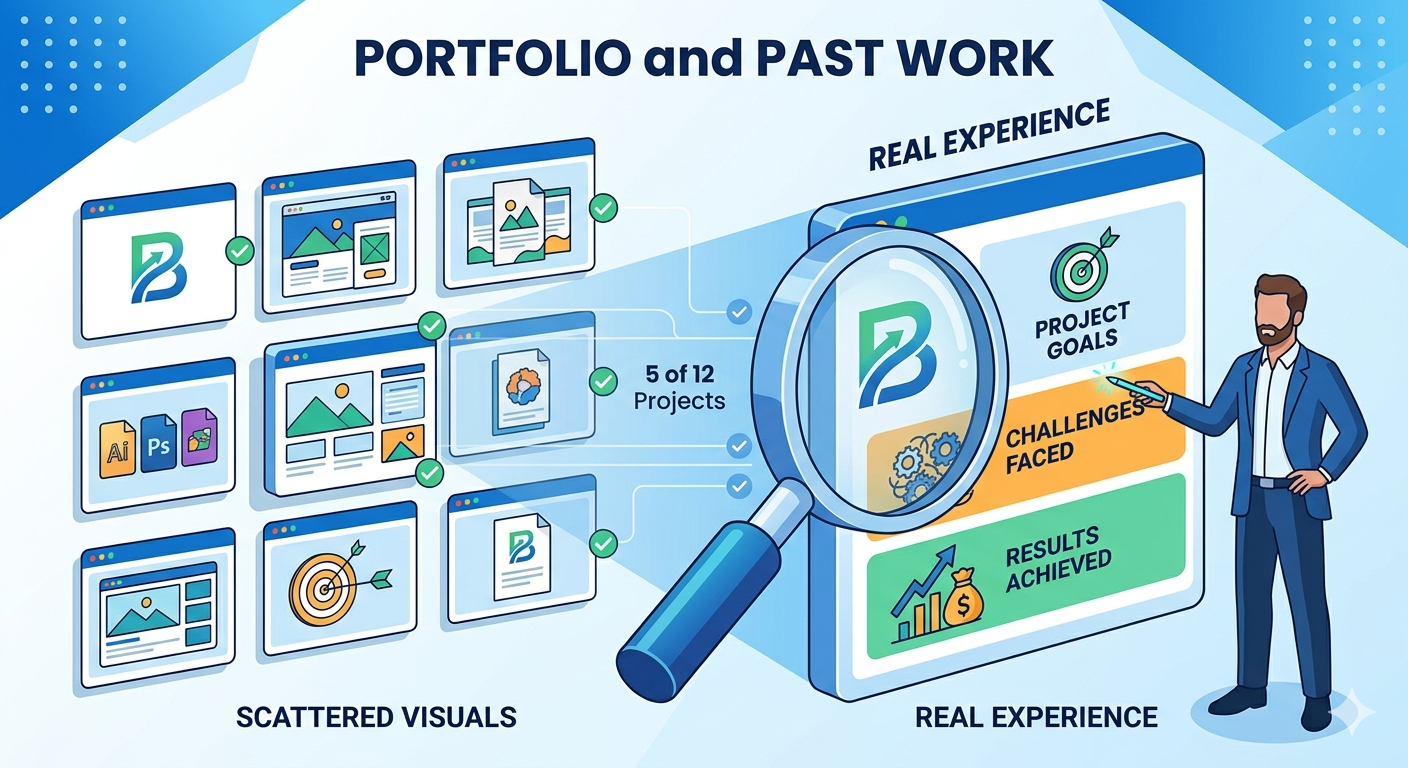
This helps you connect their answers to real experience.
Ask:
- Can you walk me through one of your recent projects?
- What was your role in that project?
- What challenges did you face in that work?
- What would you improve if you did it again?
What to look for:
- Honest reflection
- Ownership of work
Understanding of results, not just visuals
9. Where to Find Designers Worth Interviewing
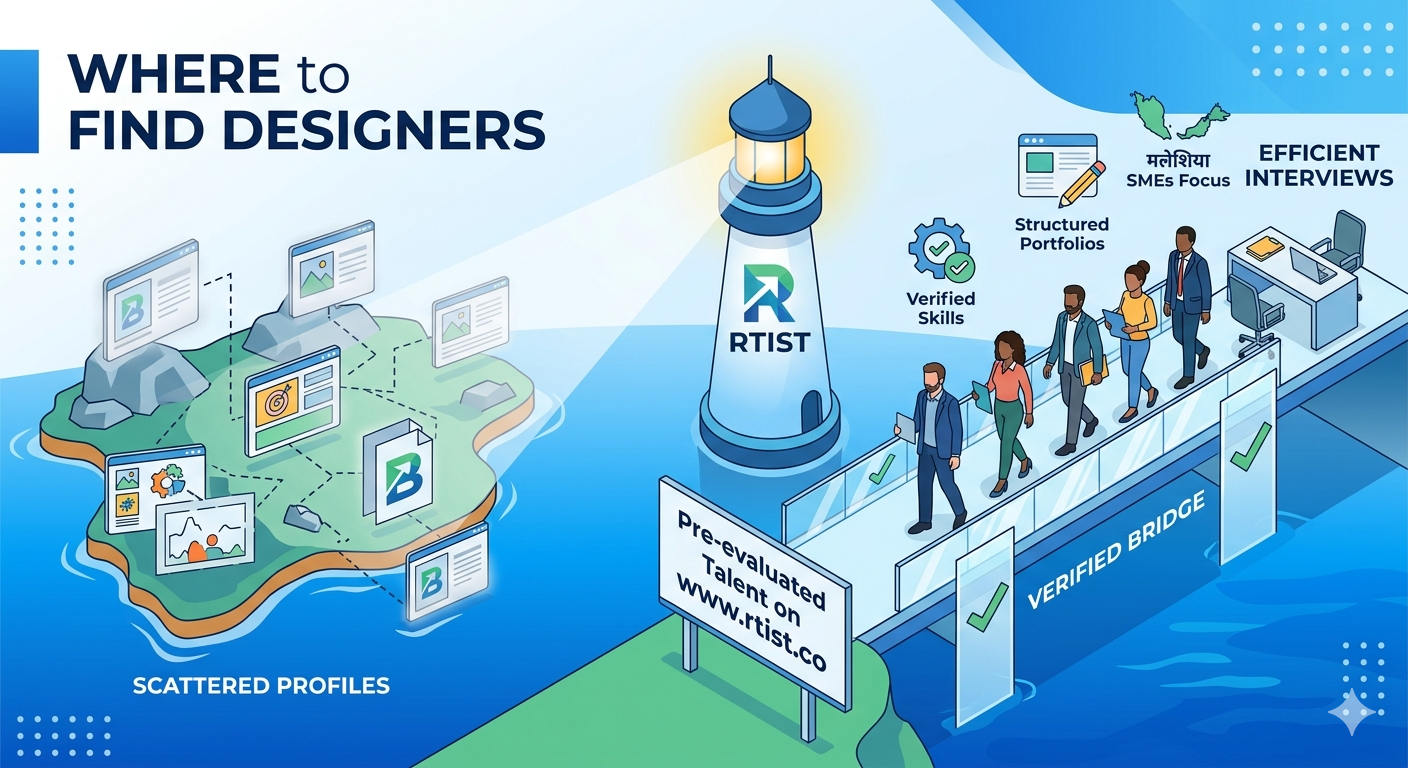
Asking the right questions only works if you’re speaking to the right candidates.
Instead of relying on scattered profiles or unverified recommendations, businesses can use platforms like www.rtist.co to browse structured creative portfolios of designers, illustrators, video editors, and content creators before shortlisting for interviews.
This makes the interview process more efficient because you start with higher-quality, pre-evaluated talent.
Final Thoughts
A design interview should never be just about “Do you like their work?”
It should be about understanding:
- How they think
- How they solve problems
- How they communicate
- How they handle deadlines and feedback
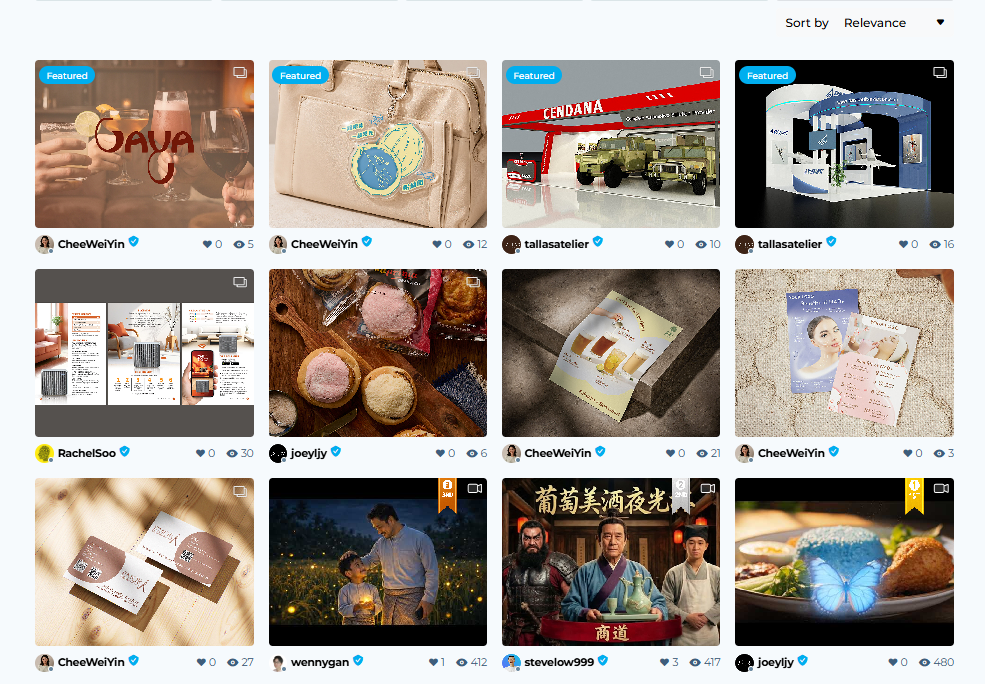
The right questions help you identify designers who are not only creative but also reliable, structured, and aligned with your business needs.
When combined with proper portfolio screening and structured hiring platforms like www.rtist.co, businesses significantly improve their chances of hiring the right creative talent the first time.