Many Malaysian SMEs and startups still hire designers through Instagram DMs, Facebook groups, or casual posts on social media. It feels fast, direct, and low effort. At the same time, structured platforms like Rtist offer a more organised way to evaluate and hire creative talent.
Both approaches are common today, but they are very different in reliability, filtering quality, and risk.
The key question is not which is more popular, but which one actually reduces hiring mistakes and improves creative output.
1. Core Model: Informal Outreach vs Structured Hiring
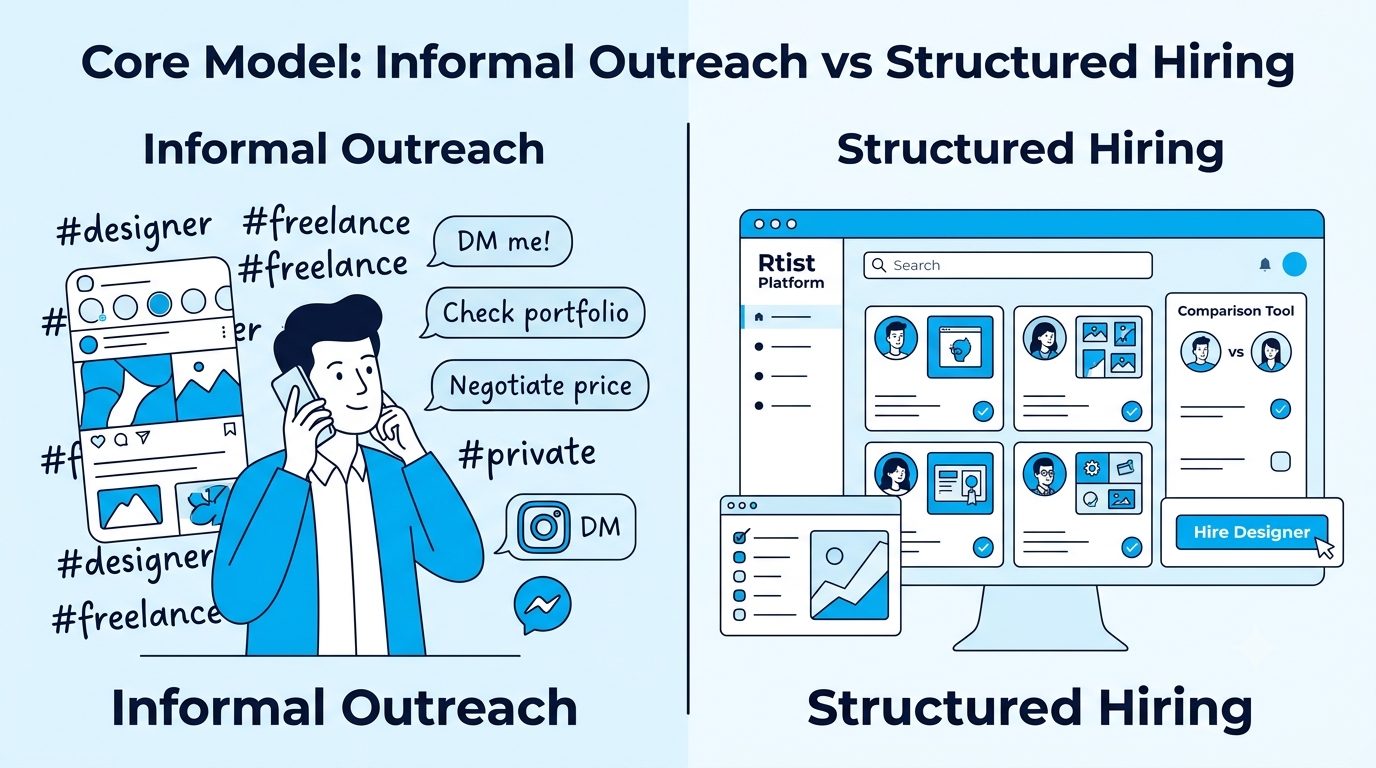
Social media hiring (Instagram, Facebook)
Social media hiring is informal and discovery-based.
Typical process:
- Search hashtags or browse profiles
- See designers posting work
- DM or comment to inquire
- Negotiate pricing and availability privately
- Hire directly based on conversation
There is no structured hiring system. Everything depends on individual communication.
Rtist: Structured creative hiring platform
Rtist is built specifically for hiring designers through portfolio-based discovery and structured evaluation.
Typical process:
- Browse curated designer portfolios
- Compare work side by side
- Shortlist based on style and experience
- Engage talent for project-based work
It removes guesswork by centralising creative information.
2. Reliability: High Variability vs Controlled Quality
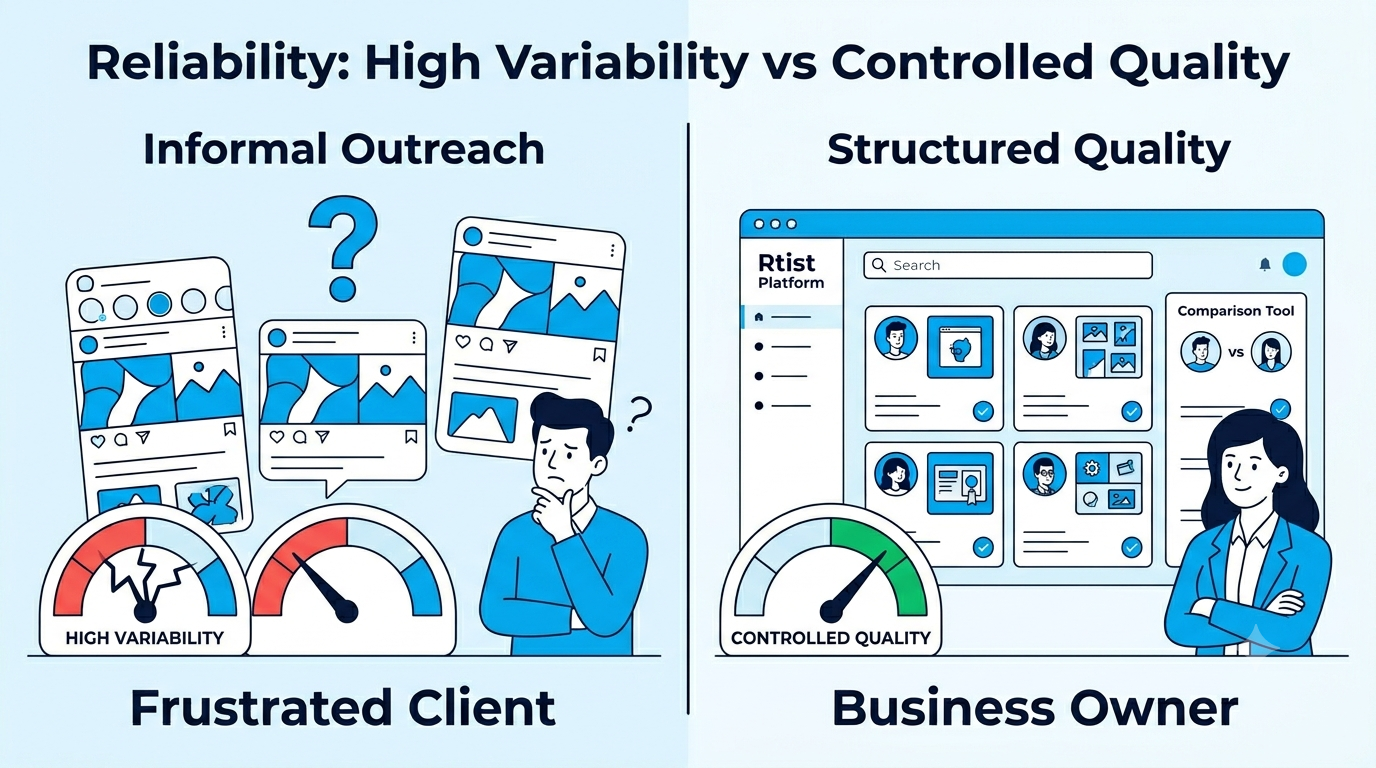
Social media hiring
Reliability is inconsistent because:
- Anyone can claim to be a designer
- No verification of professional experience
- Portfolio posts may not reflect real client work
- Availability is unclear
- Some accounts are inactive or hobby-based
Even if the work looks good, reliability is uncertain.
Rtist
Reliability is stronger because:
- Designers are positioned for professional hiring
- Portfolios are structured for evaluation
- Easier to assess real project experience
- Clearer expectation of availability
- More consistent quality standards
This reduces the chance of hiring someone unsuitable.
3. Filtering Difficulty: Manual Scrolling vs Structured Discovery
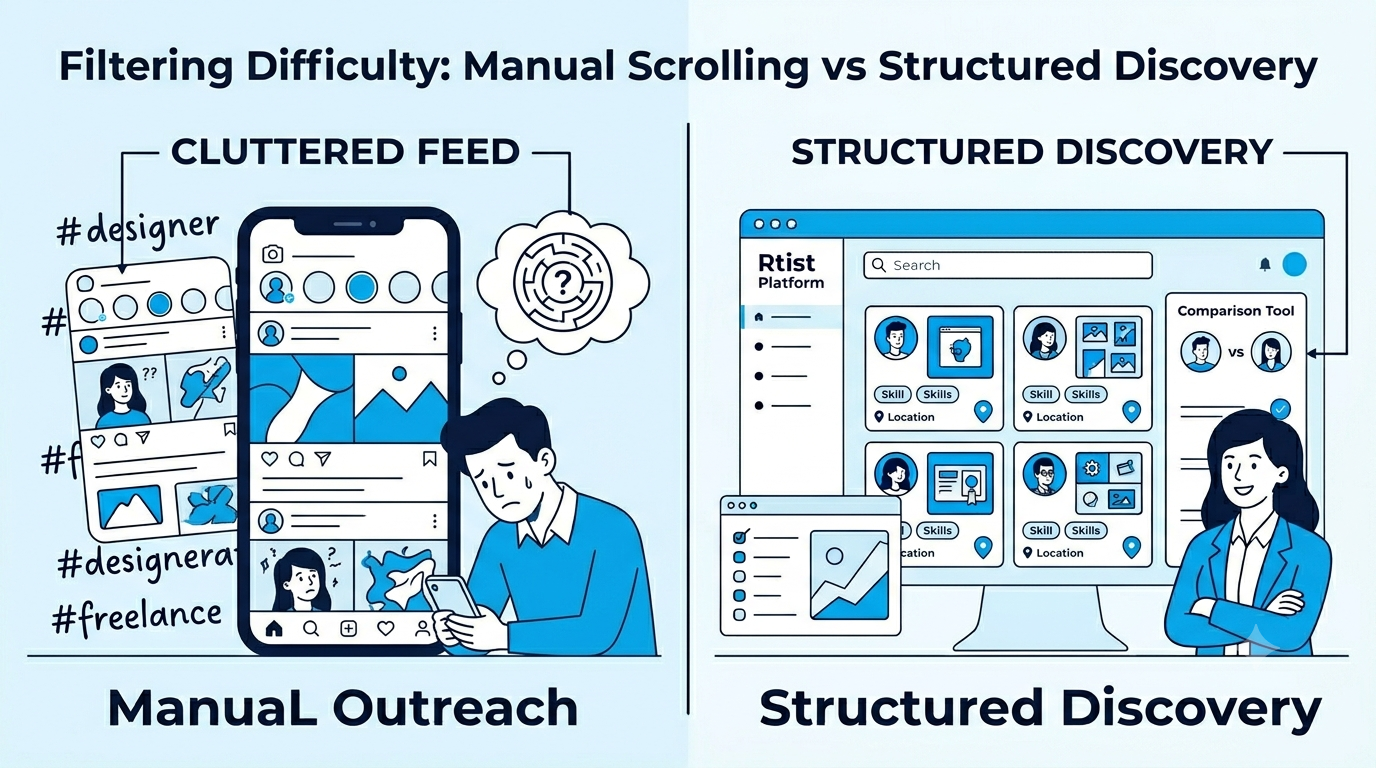
Social media hiring
Filtering is one of the biggest problems:
- Endless scrolling through posts
- No standard format for portfolios
- Hard to compare designers objectively
- Engagement metrics can be misleading
- Requires manual outreach to multiple candidates
You often spend more time searching than actually hiring.
Rtist
Filtering is simpler because:
- Portfolios are standardised
- Work is grouped professionally
- Easier comparison between designers
- Designed specifically for hiring decisions
- Less manual outreach needed
This reduces decision fatigue significantly.
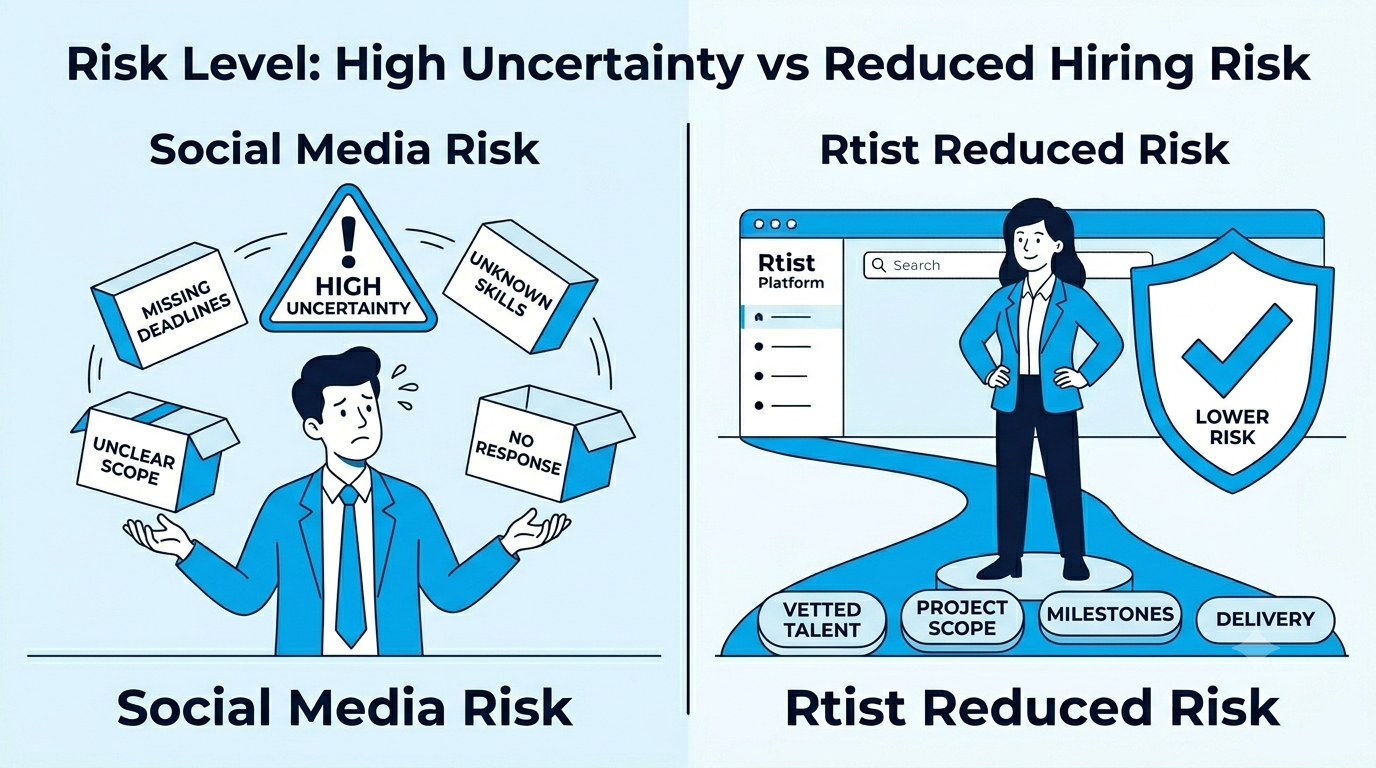
4. Risk Level: High Uncertainty vs Reduced Hiring Risk
Social media hiring
Risk is higher due to:
- No formal vetting system
- Unknown professionalism
- Unclear pricing expectations
- No structured project workflow
- Higher chance of no response after initial contact
Common issues include delays, missed deadlines, or mismatched expectations.
Rtist
Risk is lower because:
- Talent is easier to evaluate before hiring
- Work history is more visible and structured
- Better expectation alignment for SMEs
- More predictable hiring outcomes
- Designed for actual project execution
This reduces costly hiring mistakes.
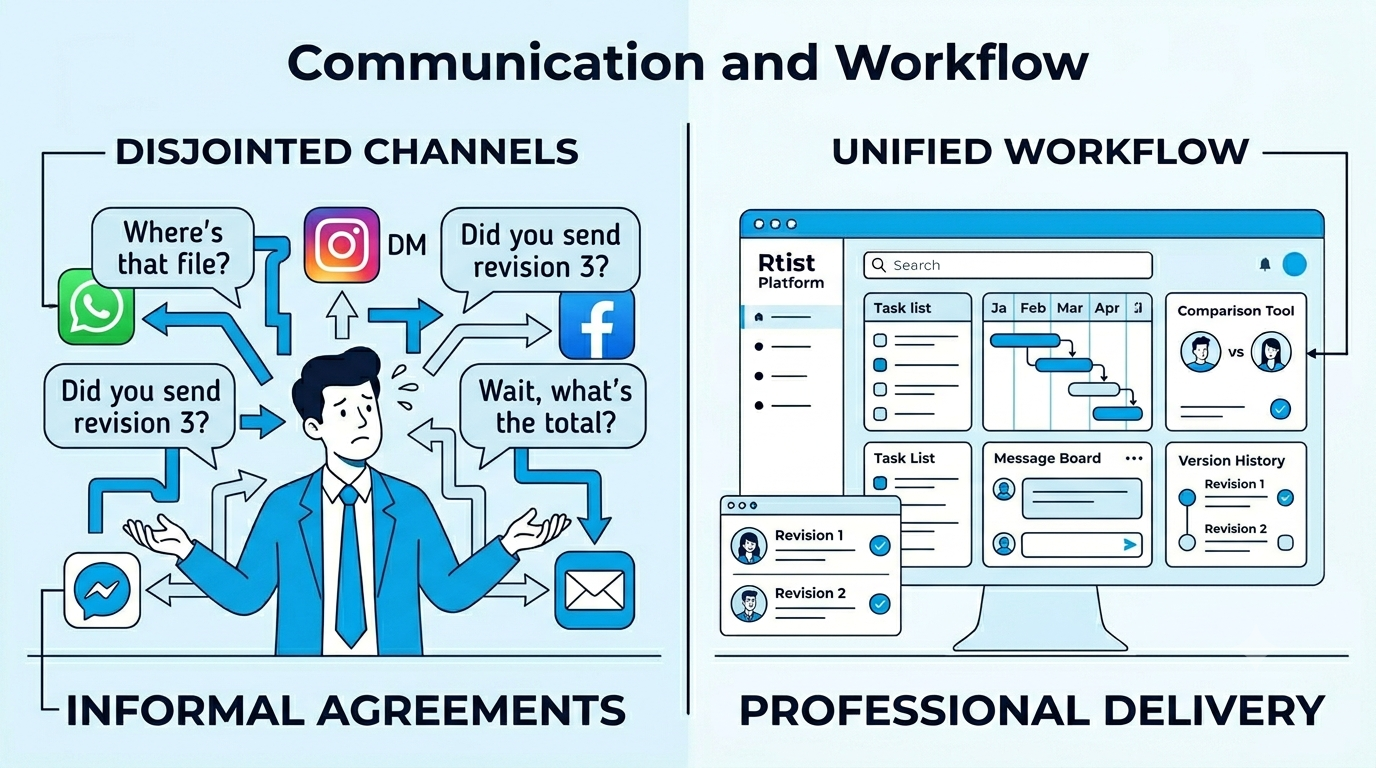
5. Communication and Workflow
Social media hiring
Communication happens via:
- Instagram DMs
- Facebook Messenger
- WhatsApp after initial contact
Challenges:
- Slow replies or inconsistent responses
- No project management structure
- Difficult to track revisions or scope changes
- Informal agreements can lead to misunderstandings
It works for small tasks, but breaks down for ongoing work.
Rtist
Communication is more structured:
- Clearer project discussions
- Easier shortlisting and onboarding
- Better alignment on scope and expectations
- More professional workflow for revisions and delivery
This is especially useful for branding and marketing projects.
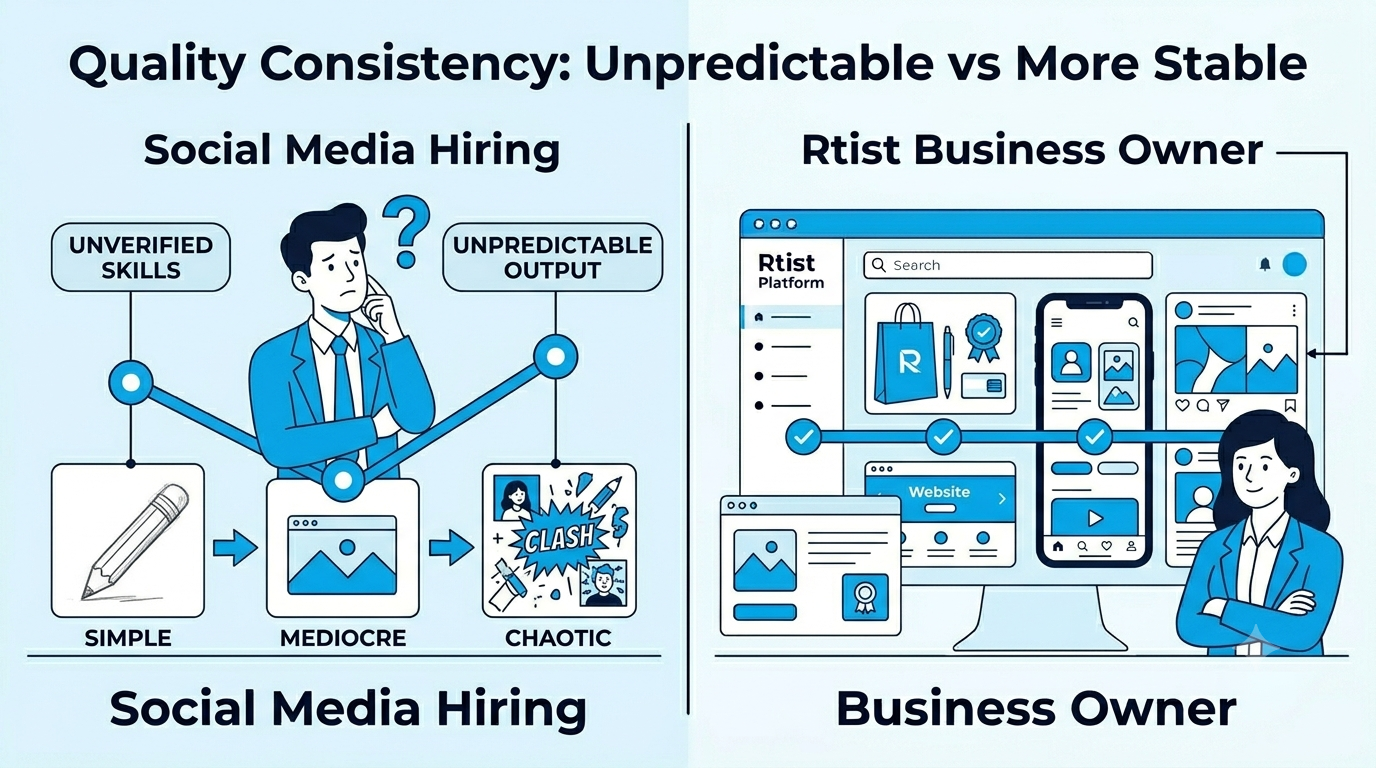
6. Quality Consistency: Unpredictable vs More Stable
Social media hiring
Quality varies widely:
- Some freelancers are highly skilled
- Others are beginners or hobbyists
- Hard to verify consistency across projects
- Portfolio posts may be selective or edited heavily
This creates uncertainty in output quality.
Rtist
Quality is more consistent because:
- Focus is on professional creative work
- Portfolios reflect real project experience
- Easier to evaluate design capability upfront
- More alignment with business use cases
This leads to more predictable results.
7. Best Use Cases
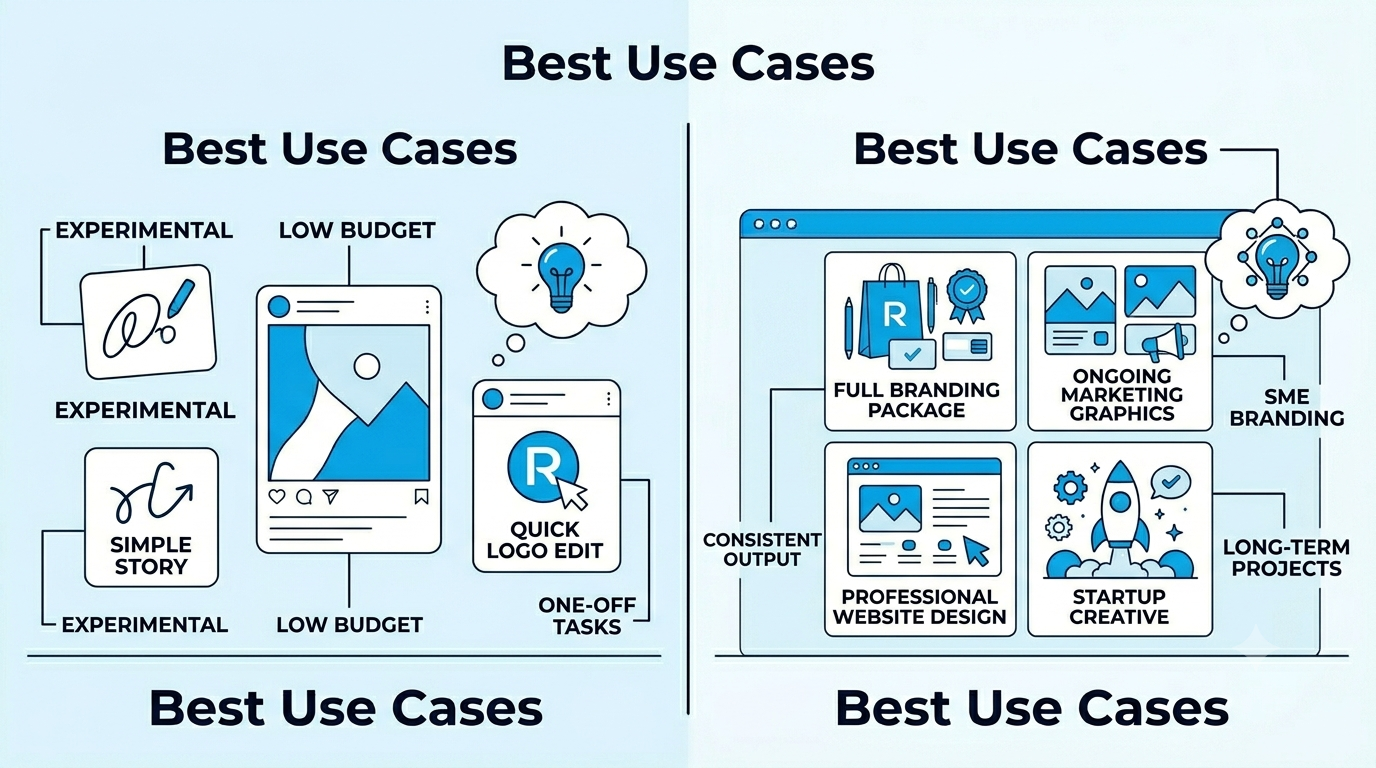
Social media hiring is best for:
- Very small one-off tasks
- Quick experimental content
- Informal or low-budget projects
- Personal or non-critical design work
It is useful for speed, but not reliability.
Rtist is best for:
- SME branding and marketing design
- Startup creative needs
- Ongoing freelance design work
- Professional client projects
- Businesses that need consistent output quality
It is designed for structured hiring outcomes.
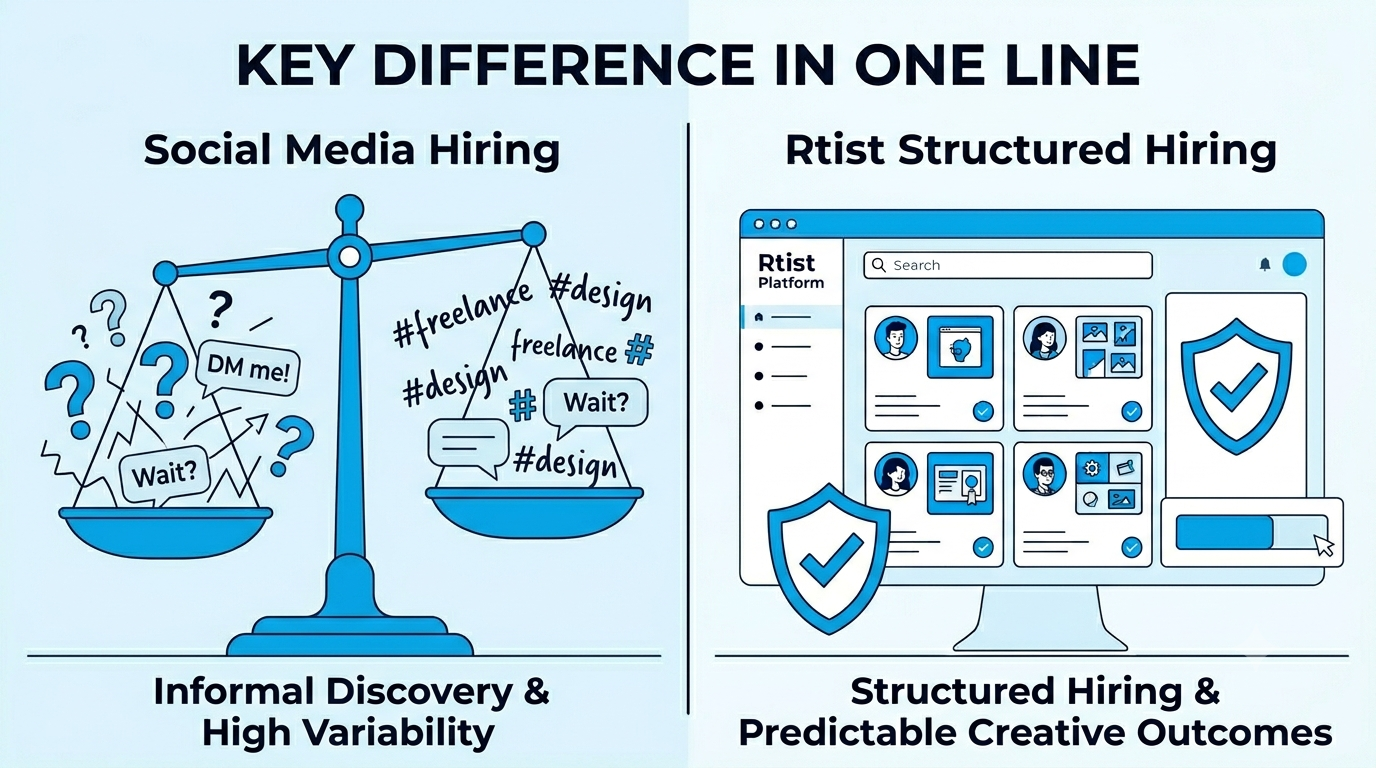
8. Key Difference in One Line
- Social media hiring is informal discovery with high variability
- Rtist is structured hiring with predictable creative outcomes
Final Verdict
Hiring designers through Instagram or Facebook can work for quick, informal needs, but it comes with high uncertainty. You are relying on trust, communication, and manual filtering, which increases the risk of mismatched expectations.
Rtist reduces this risk by turning creative hiring into a structured process where portfolios, experience, and suitability are easier to evaluate before engaging.
For Malaysian SMEs, the biggest difference is not access to talent, but consistency and reliability in hiring outcomes.
Where Rtist Fits In
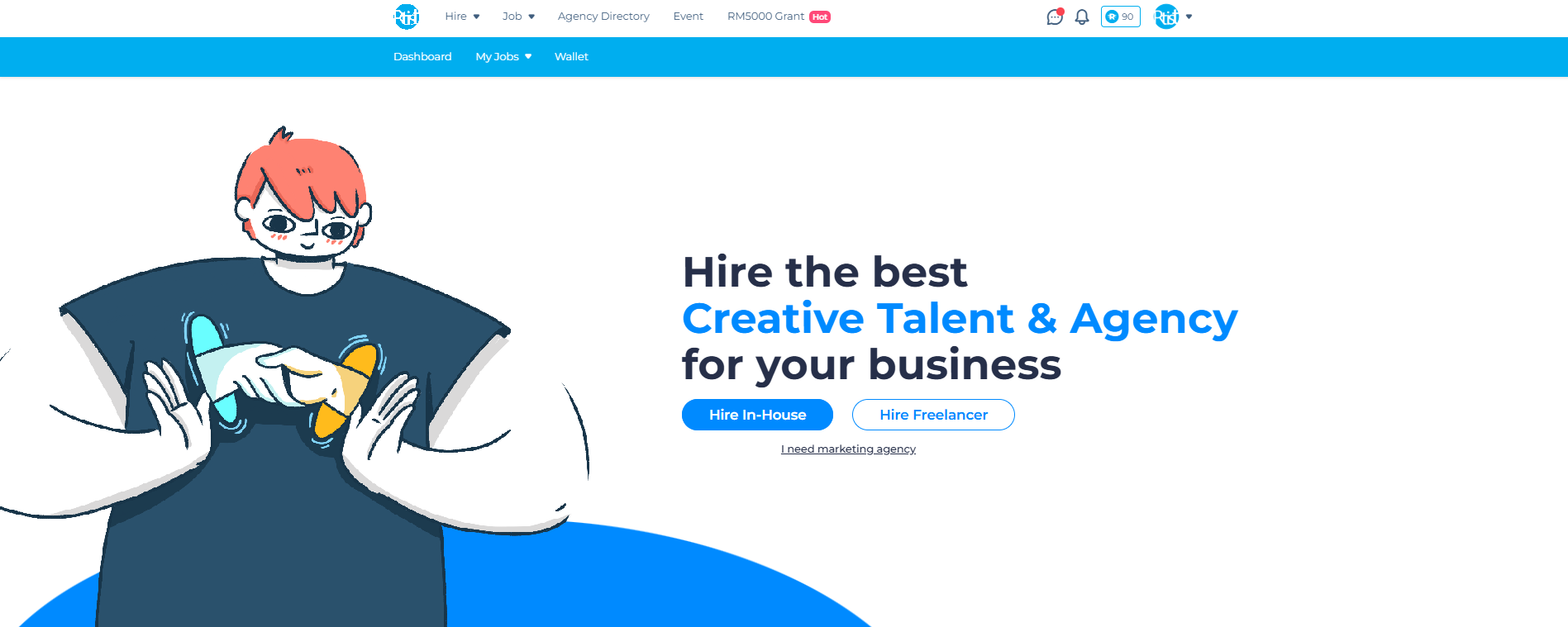
Platforms like www.rtist.co , help businesses move away from scattered social media hiring by centralising creative portfolios in one place.
This makes it easier to filter, compare, and hire designers with much lower risk and faster decision-making.