A cluttered website, an outdated logo, or a confusing app layout does more than look unprofessional. It quietly pushes customers toward competitors.
Research shows that 72% of people say a poorly designed website can turn them away from a business, leading to wasted marketing efforts, increased bounce rates, lower conversion rates, and harm to SEO rankings.
For business owners and hiring managers in Malaysia, this is where job opportunities come in. The companies that consistently win customers are usually the ones that invest early in hiring the right creative talent, rather than treating design as an afterthought.
The Problem: Design Is Often the First Thing Customers Judge

Most businesses don't realize how much design decisions affect revenue until the damage is done.
According to an often-cited Forrester study, 50% of potential sales are lost because users can't find information quickly, meaning a confusing layout directly costs businesses revenue. Trust plays an equally large role.
According to the Edelman Trust Barometer, 81% of people say they need to trust a brand before making a purchase. A site or app that looks neglected signals to customers that the business behind it might be just as neglectful with their money or data.
The Real Cost of Bad Design
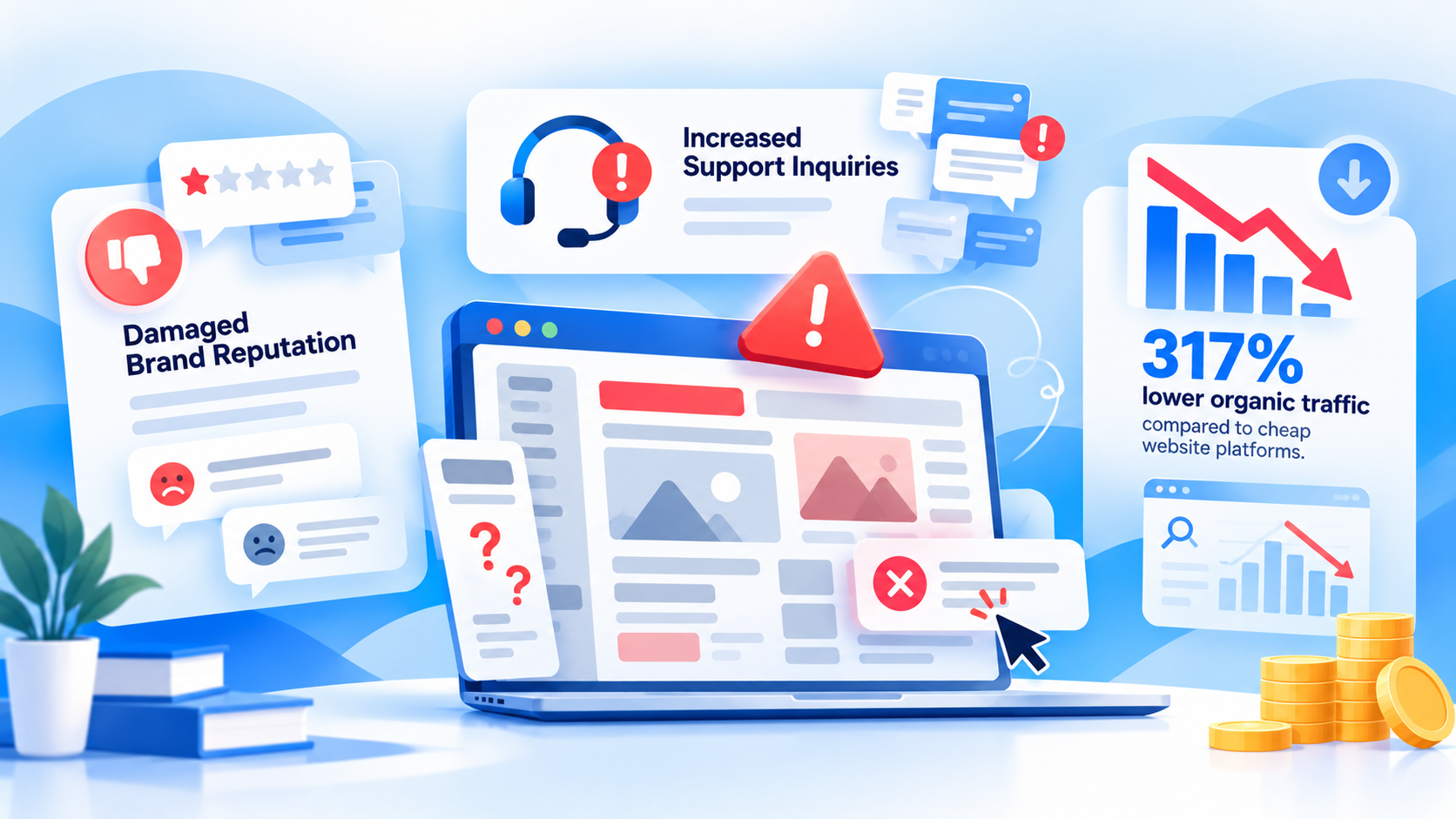
The financial impact goes beyond a single lost sale.
Fifty percent of consumers consider website design when forming their opinion about a brand, and if that impression is negative, it creates a ripple effect that damages brand reputation and makes it harder to attract and retain customers. Poor design also creates operational drag.
A poorly designed website often leads to confusion and frustration, resulting in a surge of customer support inquiries, as customers struggle to find information, complete transactions, or navigate the site, tying up time and resources. Cheap or rushed design work compounds the problem over time.
Businesses using cheap website platforms see an average of 317% lower organic traffic compared to properly built sites. That is not a small gap. It is the difference between a business that grows and one that quietly stalls.
Why Businesses End Up With Poor Design in the First Place
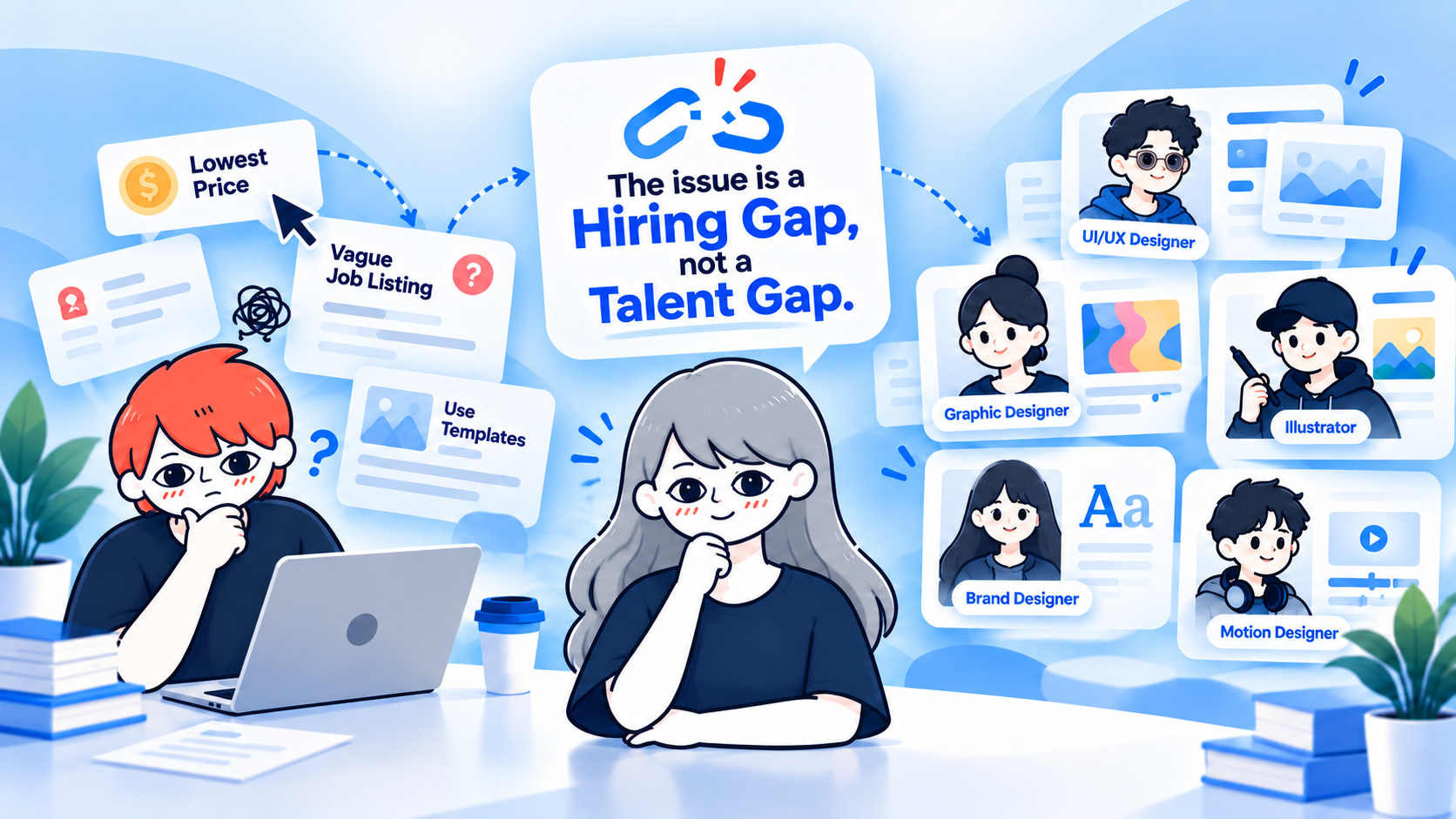
Bad design rarely comes from a lack of caring. It usually comes from a hiring shortcut. A founder grabs the cheapest freelancer they can find, a marketing manager posts a vague job listing and hires whoever replies first, or a team relies on generic templates instead of a proper design process. Cheap websites are often built on bloated code and generic templates optimized for ease of setup rather than speed, SEO, or conversion, resulting in slow load times, poor mobile experiences, and clunky navigation that frustrate visitors.
The root cause is almost always a hiring gap, not a talent gap. Malaysia has no shortage of skilled designers. The issue is connecting businesses to them efficiently.
Turning Job Opportunities Into Better Design Outcomes
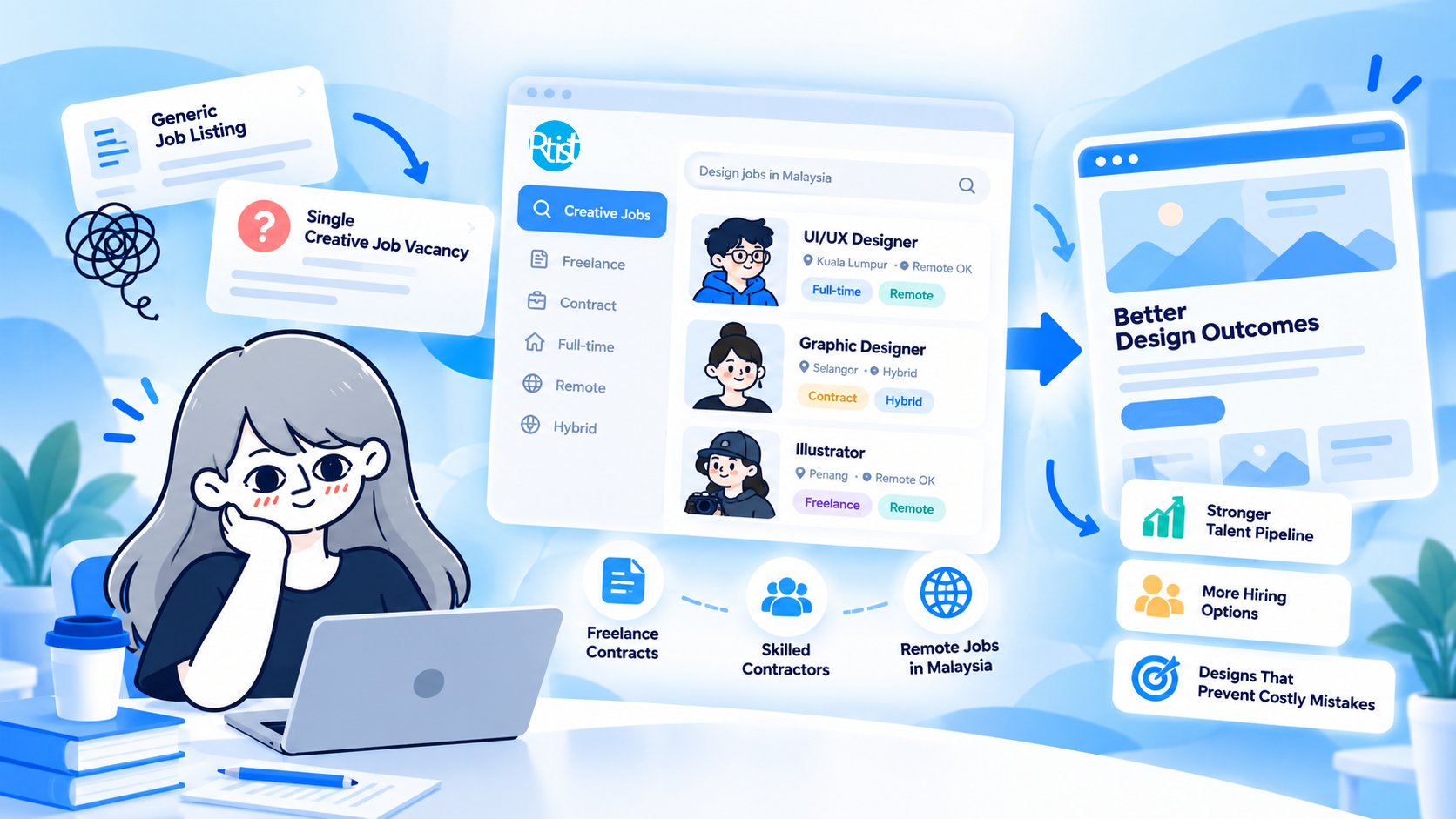
This is where the hiring side of the equation matters as much as the design side. Rtist is home to Creative jobs in Malaysia , showing just how competitive the market for design talent has become. Businesses that post a generic job listing or a single creative job vacancy and wait often lose good candidates to companies that make the process easier and more transparent. The hiring landscape is also shifting quickly.
Contract hiring has gained momentum over the past year as businesses tap skilled contractors, scaling their workforce to meet workloads and project demands. Remote work is expanding the pool further too, with more flexible arrangements creating more opportunities for professionals seeking remote jobs in Malaysia or roles that allow partial remote work, including collaboration with agencies and clients handling US jobs remotely.
Businesses that adapt their hiring approach, whether through freelance contracts, retainers, or full-time roles, put themselves in a much stronger position to find designers who actually prevent the costly mistakes above.
A Simple Example
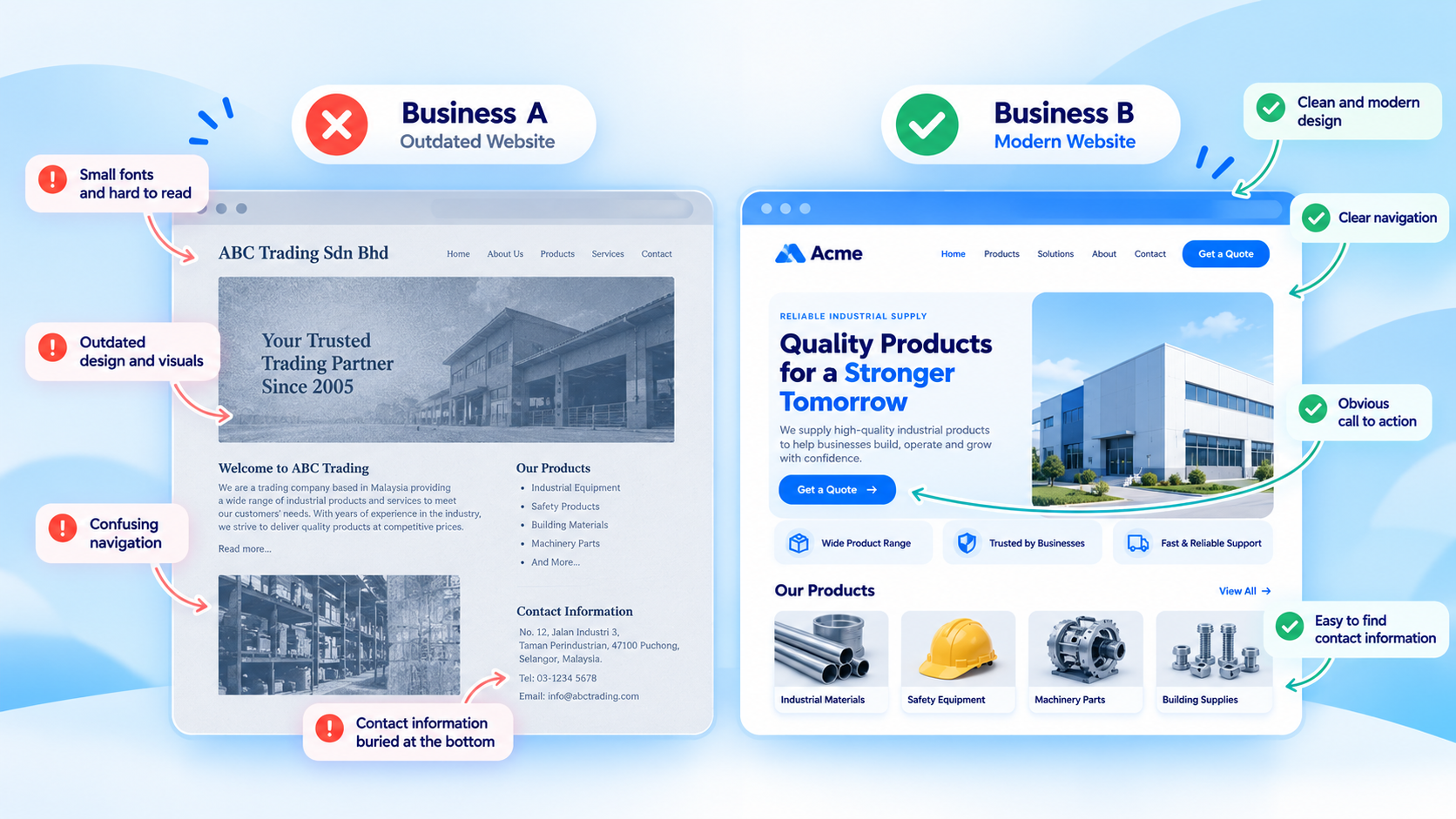
Imagine two competing local businesses. One has a site with small fonts, buried contact information, and a look that hasn't changed in years. The other has clean visuals, clear navigation, and an obvious call to action.
Which site would you trust with your personal information or credit card details? The answer is the same one potential customers give every time they visit a poorly designed site. The difference between these two businesses often traces back to one decision: who they hired to build it.
Actionable Tips for Business Owners
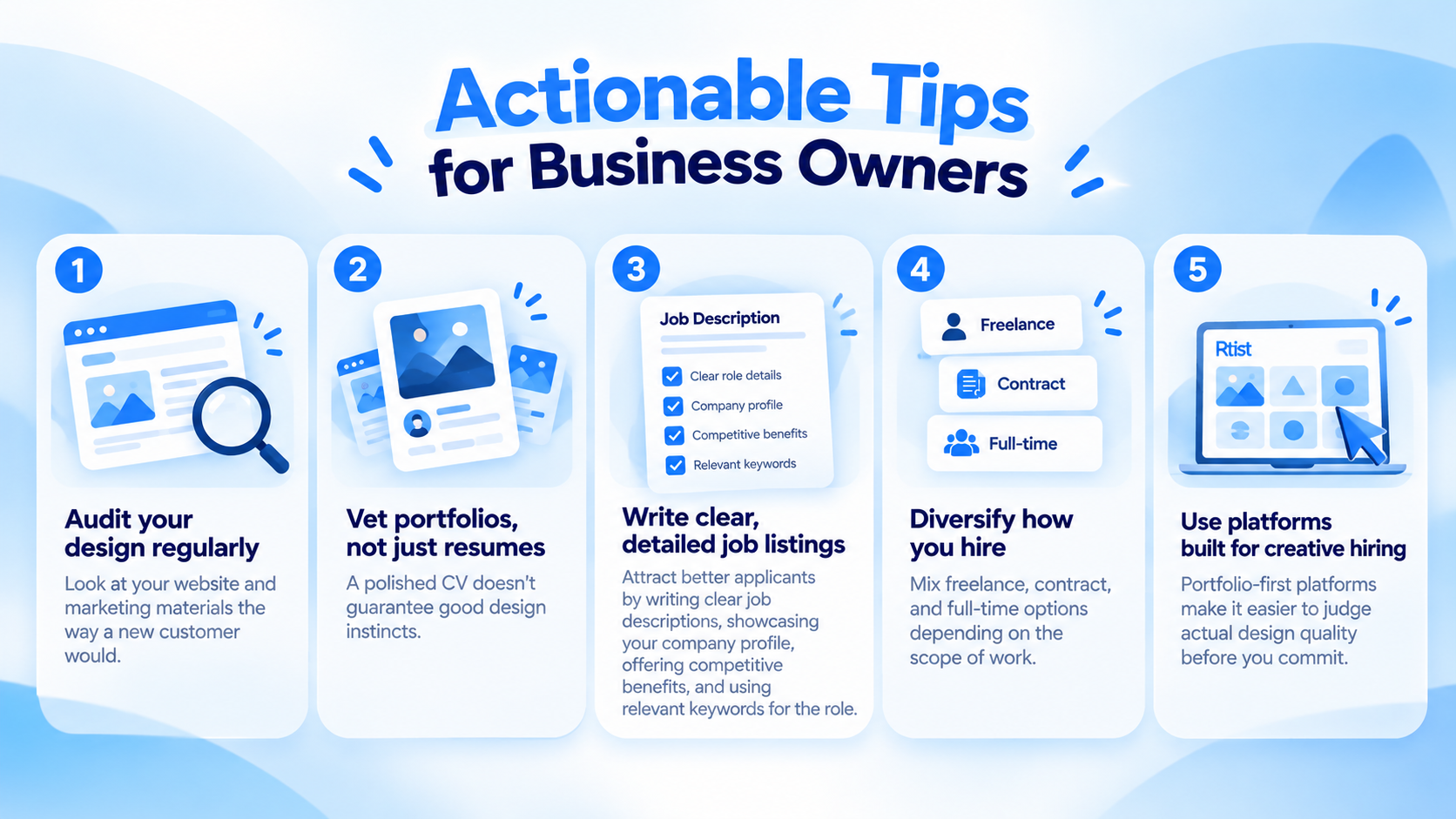
Audit your design regularly. Look at your website and marketing materials the way a new customer would.
Vet portfolios, not just resumes. A polished CV doesn't guarantee good design instincts.
Write clear, detailed job listings. Attract better applicants by writing clear job descriptions, showcasing your company profile, offering competitive benefits, and using relevant keywords for the role.
Diversify how you hire. Mix freelance, contract, and full-time options depending on the scope of work.
Use platforms built for creative hiring. Portfolio-first platforms make it easier to judge actual design quality before you commit.
Conclusion
Poor design is rarely a design problem alone. It's usually a hiring problem wearing a design costume. Businesses that treat creative hiring as seriously as they treat marketing or sales are the ones that stop losing customers to a bad first impression.
If your business is ready to stop guessing and start hiring designers whose work you can actually see, explore Rtist's portfolio-first talent database of over 20,000 designers, trusted by more than 8,000 clients across Malaysia.
Post a job, browse portfolios, or try Handpick today: www.rtist.co