As businesses grow, design becomes increasingly important. From social media content and branding to websites and marketing campaigns, companies need creative talent to support customer acquisition and brand growth.
One of the most common hiring decisions facing Malaysian SMEs, startups, and marketing teams is whether to hire a freelance designer or bring a designer in-house as a full-time employee.
Both options have advantages and limitations. The right choice depends on your workload, budget, business stage, and long-term plans.
This guide compares freelance designers and full-time designers to help you determine which approach makes the most sense for your business.
Understanding the Two Hiring Models
Before making a decision, it's important to understand how these roles differ.
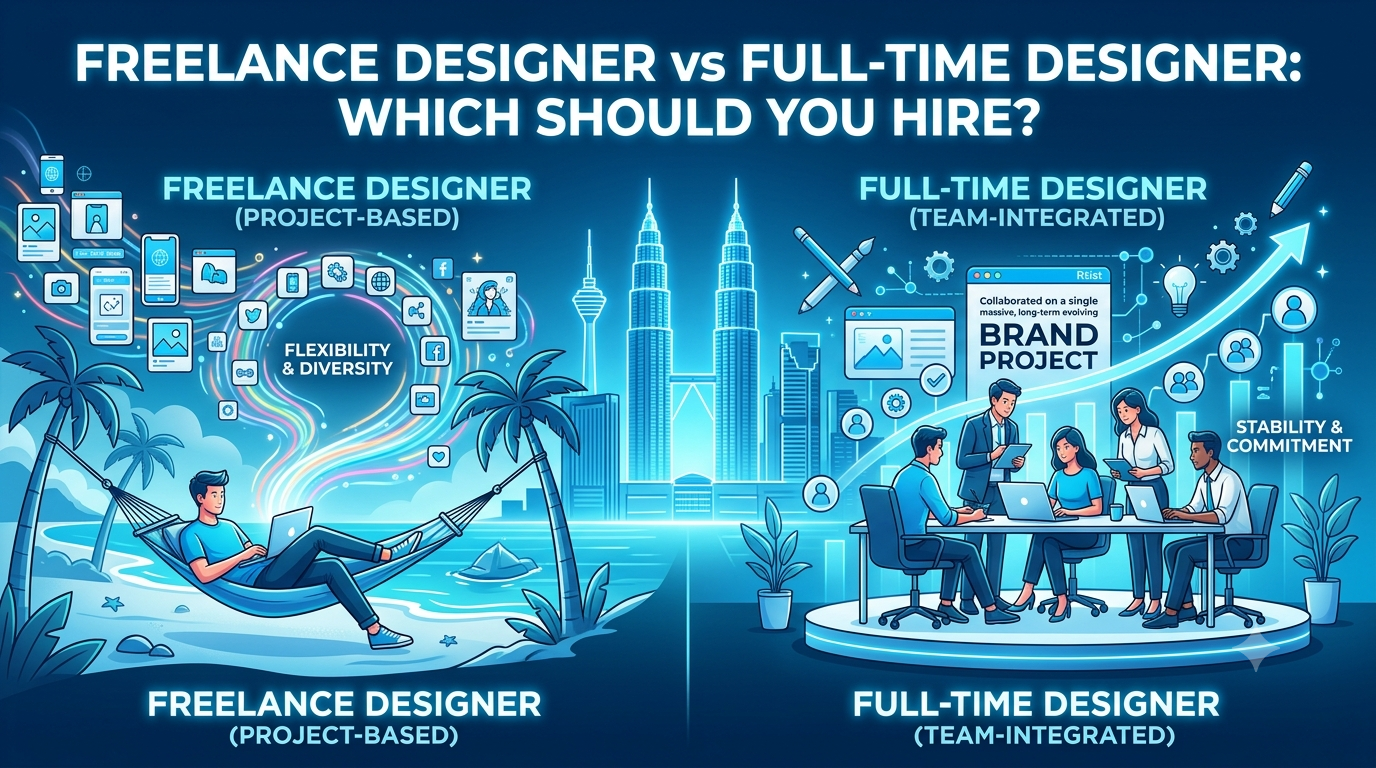
Freelance Designer
A freelance designer works independently and is typically hired:
- Per project
- Hourly
- On a monthly retainer
- For short-term campaigns
They may support multiple clients simultaneously.
Full-Time Designer
A full-time designer works exclusively for your company and becomes part of your internal team.
They are responsible for:
- Daily design requests
- Brand consistency
- Internal collaboration
- Long-term creative initiatives
Both models can work well, but they solve different business problems.
1. Cost Comparison
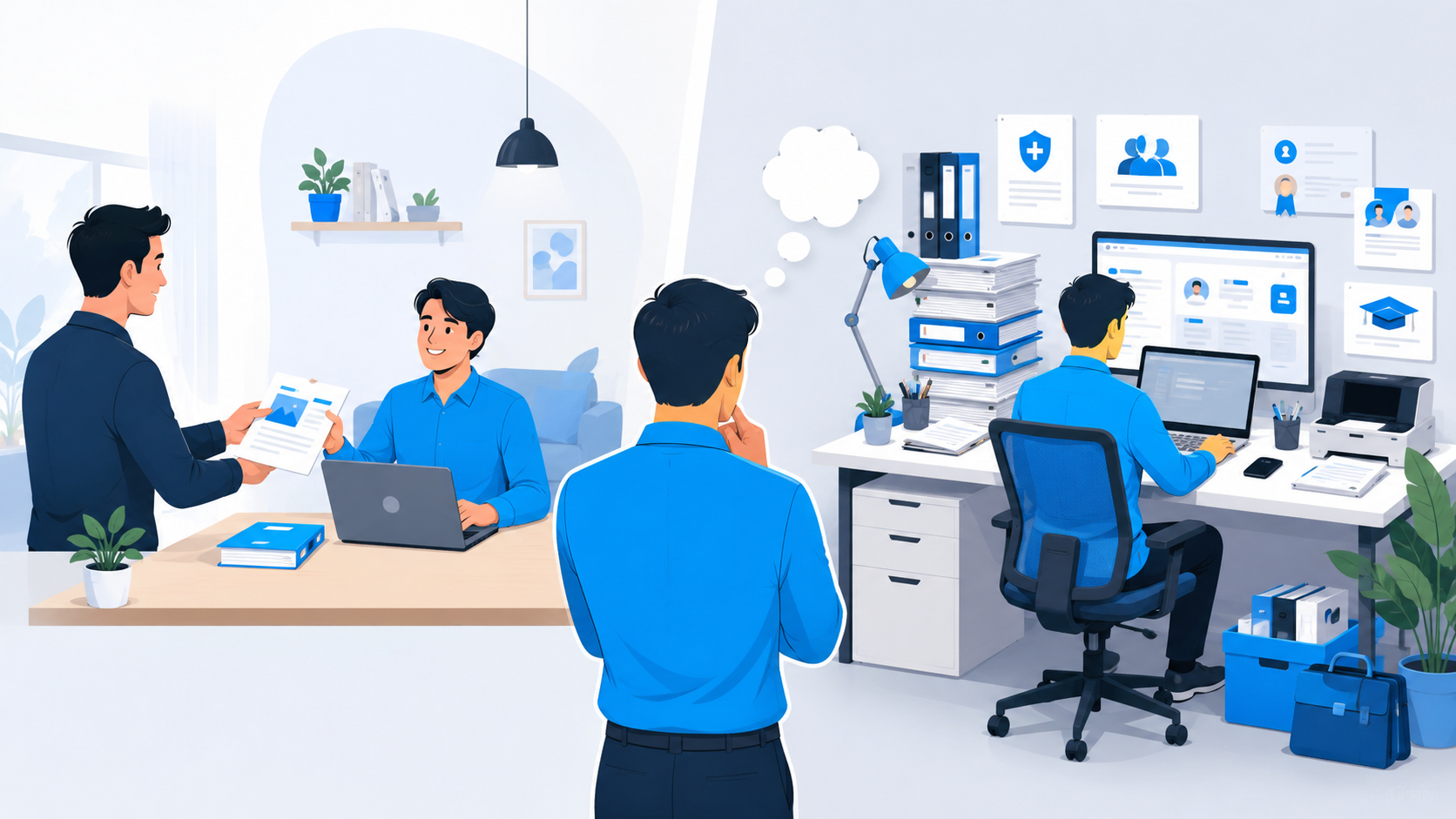
For many businesses, cost is the first consideration.
Freelance designer costs
You only pay for the work you need.
Common examples:
- Logo design project
- Product packaging
- Social media campaign
- Website redesign
This makes freelancers attractive for businesses with irregular design needs.
Full-time designer costs
Beyond salary, employers must consider:
- EPF contributions
- SOCSO contributions
- Employee benefits
- Software licenses
- Equipment costs
- Training and onboarding
The total investment is significantly higher than the monthly salary alone.
Winner for cost efficiency:
Freelance Designer
For businesses with limited budgets or occasional design requirements, freelancers are typically more cost-effective.
2. Workload and Design Demand

The volume of design work often determines the right hiring model.
When freelancers make sense
Freelancers are ideal when:
- Projects are occasional
- Workloads fluctuate
- Campaigns are seasonal
- Creative needs are temporary
Example:
A restaurant in Penang may only require design support for festive promotions, menu updates, and social media campaigns.
Hiring a full-time designer may not be necessary.
When full-time designers make sense
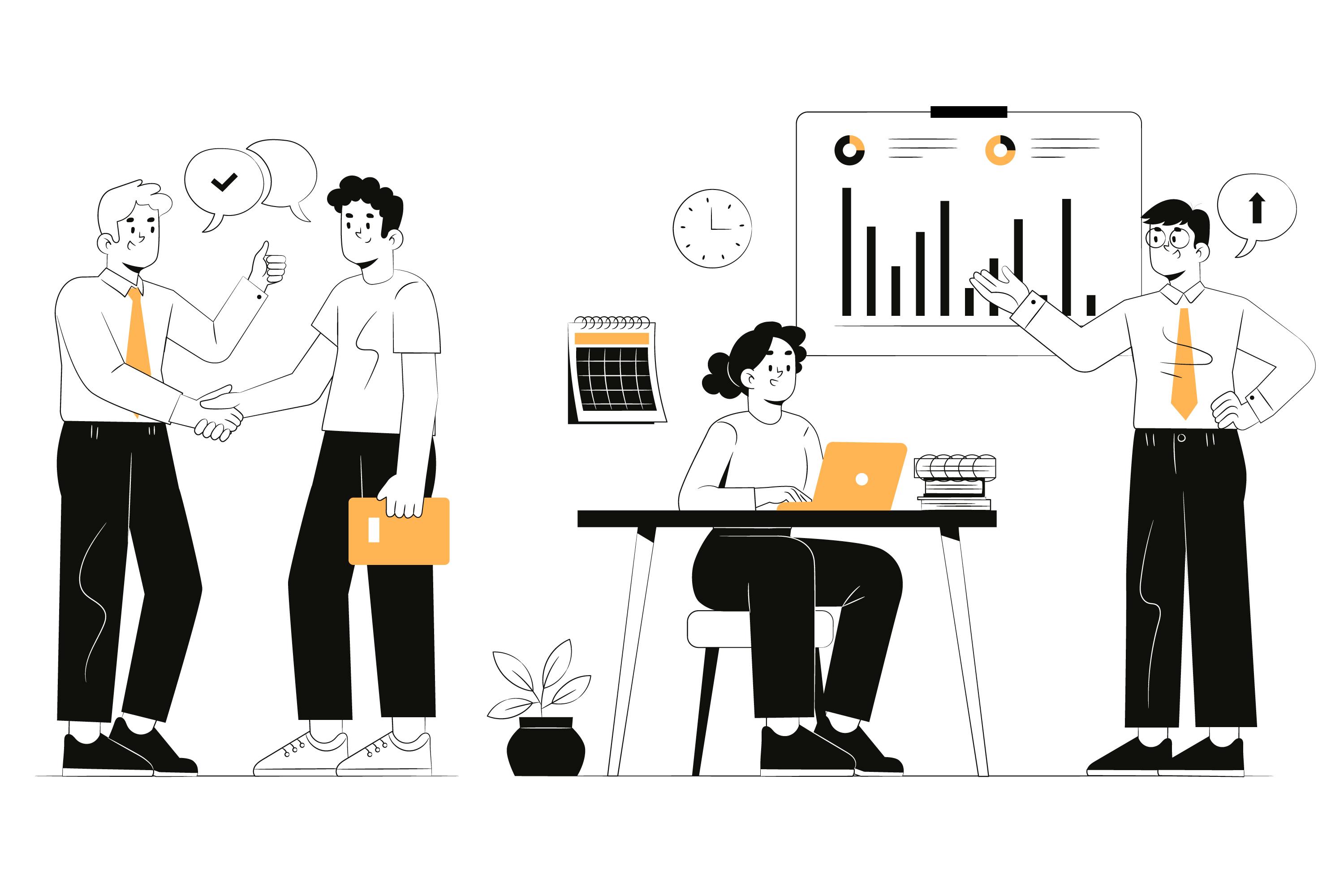
Full-time designers are ideal when:
- Design requests occur daily
- Multiple departments require support
- Marketing campaigns run continuously
- Brand management is ongoing
Example:
An e-commerce business running year-round promotions may require constant creative production for Shopee, TikTok, Meta Ads, and email campaigns.
3. Speed and Availability
How quickly do you need design support?
Freelance designers
Benefits include:
- Quick project onboarding
- Flexible engagement
- Fast access to specialist skills
Challenges include:
- Availability may vary
- Freelancers may have multiple clients
- Urgent requests are not always possible
Full-time designers
Benefits include:
- Dedicated availability
- Faster internal response times
- Better prioritization of company projects
Challenges include:
- Hiring takes longer
- Less flexibility if workloads decline
Winner for availability:
Full-Time Designer
Having a dedicated resource often results in faster day-to-day execution.
4. Flexibility

Business priorities can change quickly.
Freelance designers
Freelancers offer:
- Easy scaling up or down
- Project-based engagements
- Access to different specialties
For startups and SMEs, this flexibility can be extremely valuable.
Full-time designers
Full-time employees provide stability but are less flexible if business needs change dramatically.
Winner for flexibility
Freelance Designer
Businesses can adjust spending and resources without long-term commitments.
5. Brand Knowledge and Consistency
As companies grow, maintaining a consistent brand becomes increasingly important.
Freelance designers
Freelancers can learn your brand over time, but they are typically not immersed in the business daily.
This may create inconsistencies when multiple freelancers are involved.
Full-time designers
Full-time designers:
- Understand company culture
- Learn brand guidelines deeply
- Work closely with stakeholders
- Maintain consistency across channels
Winner for brand consistency:
Full-Time Designer
Internal designers typically have stronger long-term brand knowledge.
6. Specialized Skills
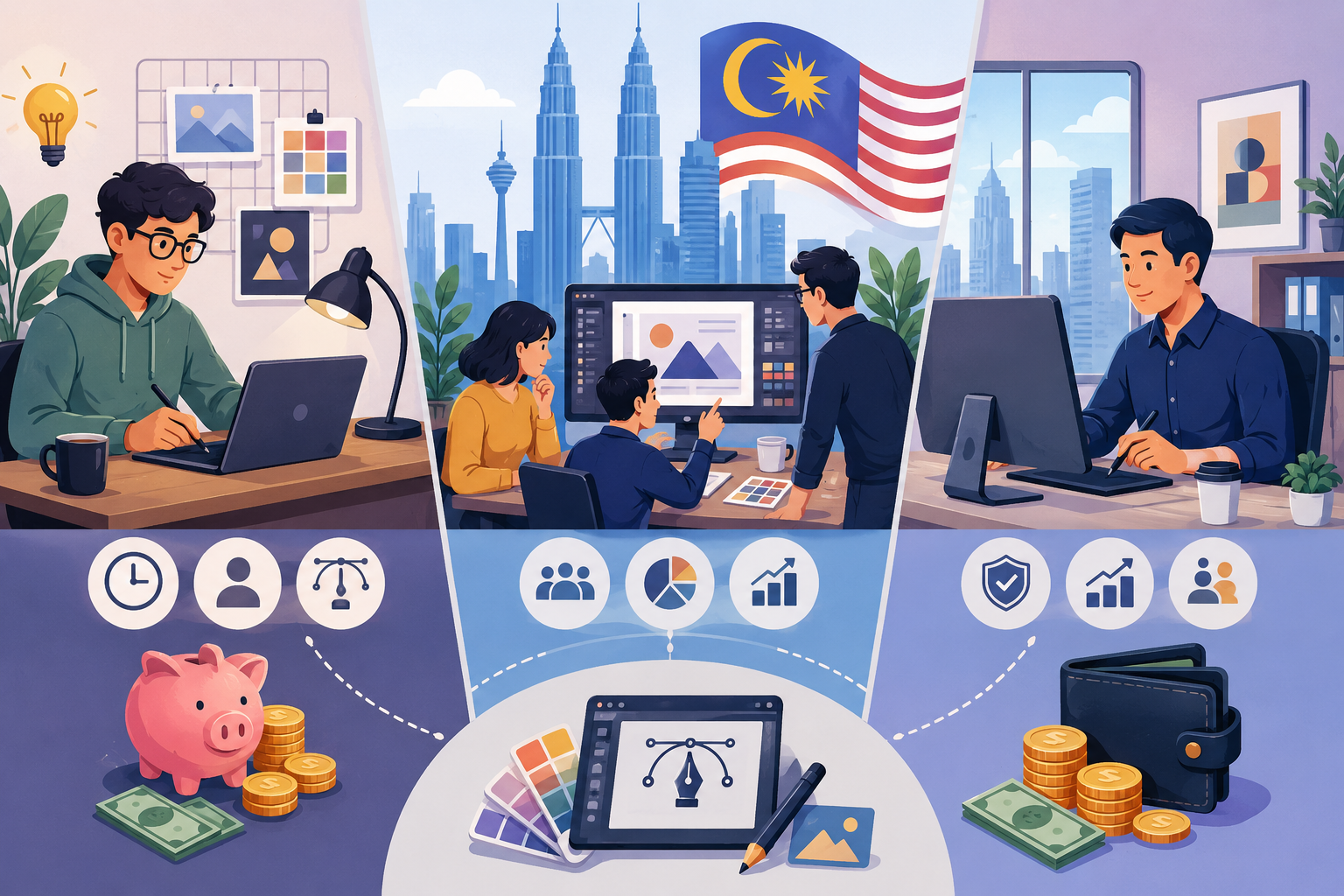
Different projects require different expertise.
Freelance designers
Freelancers often specialize in areas such as:
- Branding
- UI/UX design
- Illustration
- Motion graphics
- Packaging design
Businesses can hire specialists as needed.
Full-time designers
Most full-time designers are generalists who support a wide range of internal needs.
Winner for specialization:
Freelance Designer
Freelancers provide access to niche expertise without permanent hiring commitments.
7. Hiring Speed
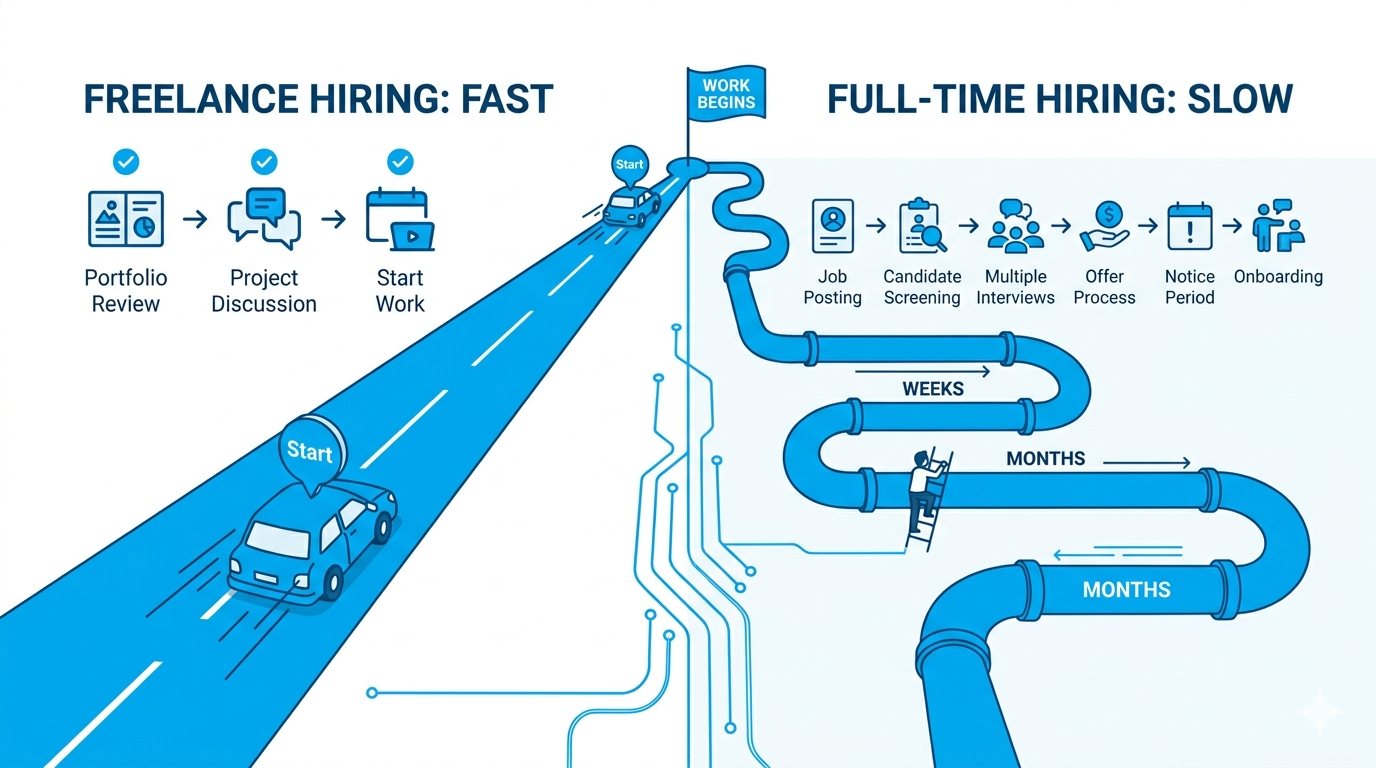
Freelance hiring
Typical process:
- Review portfolio
- Discuss project
- Start work
In many cases, projects can begin within days.
Full-time hiring
Typical process:
- Job posting
- Candidate screening
- Interviews
- Offer process
- Notice periods
- Onboarding
The process can take weeks or months.
\Winner for hiring speed:
Freelance Designer
Businesses needing immediate support often choose freelancers first.
8. Best Choice by Business Stage
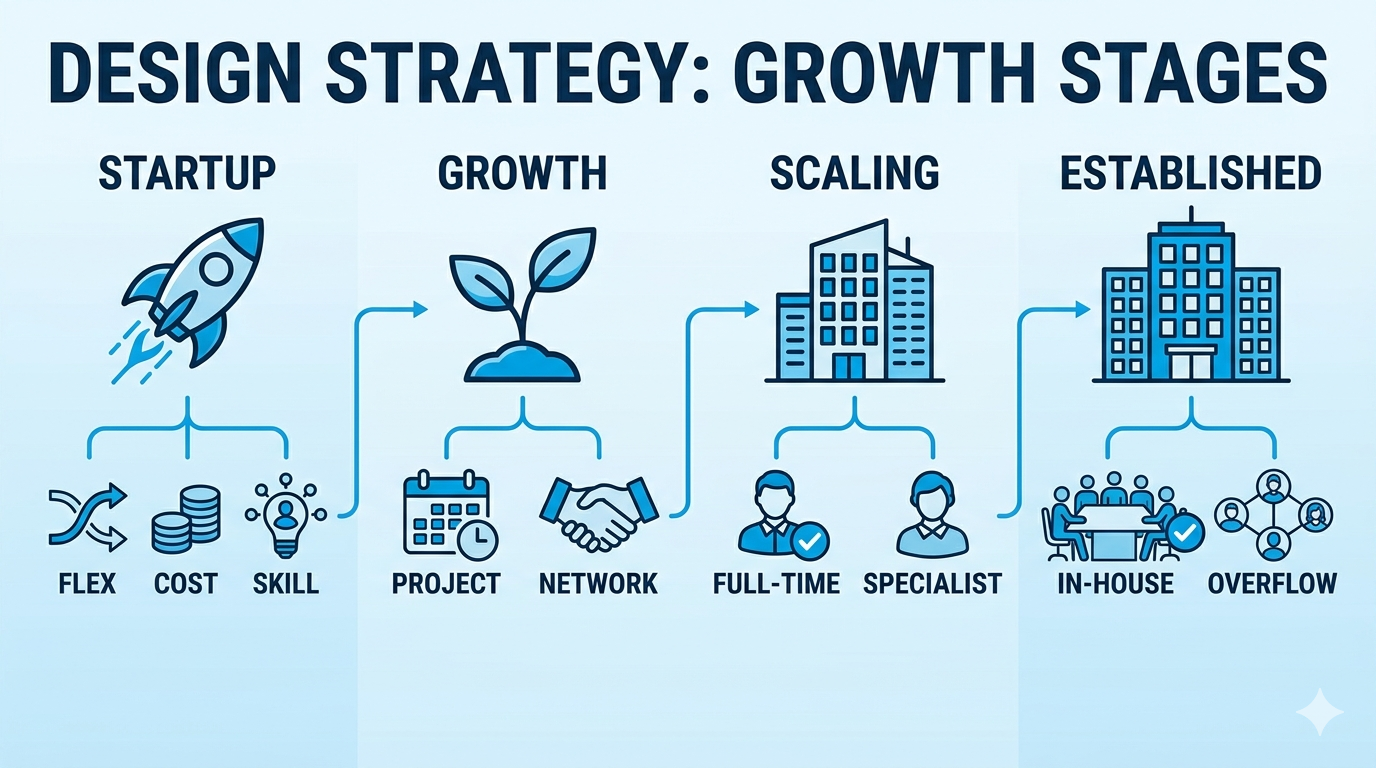
Startup stage
Recommended: Freelance Designer
Startups need flexibility, lower costs, and access to specialized skills.
Early-growth SME
Recommended: Mostly Freelance Designer
As design needs become more frequent, businesses can still benefit from project-based hiring.
Growing company
Recommended: Hybrid Approach
Many businesses combine:
- Full-time designer for daily work
- Freelancers for specialized projects
Established company
Recommended: Full-Time Designer + Freelance Support
Internal teams manage ongoing creative work while freelancers handle overflow or specialist requirements.
Common Hiring Mistakes
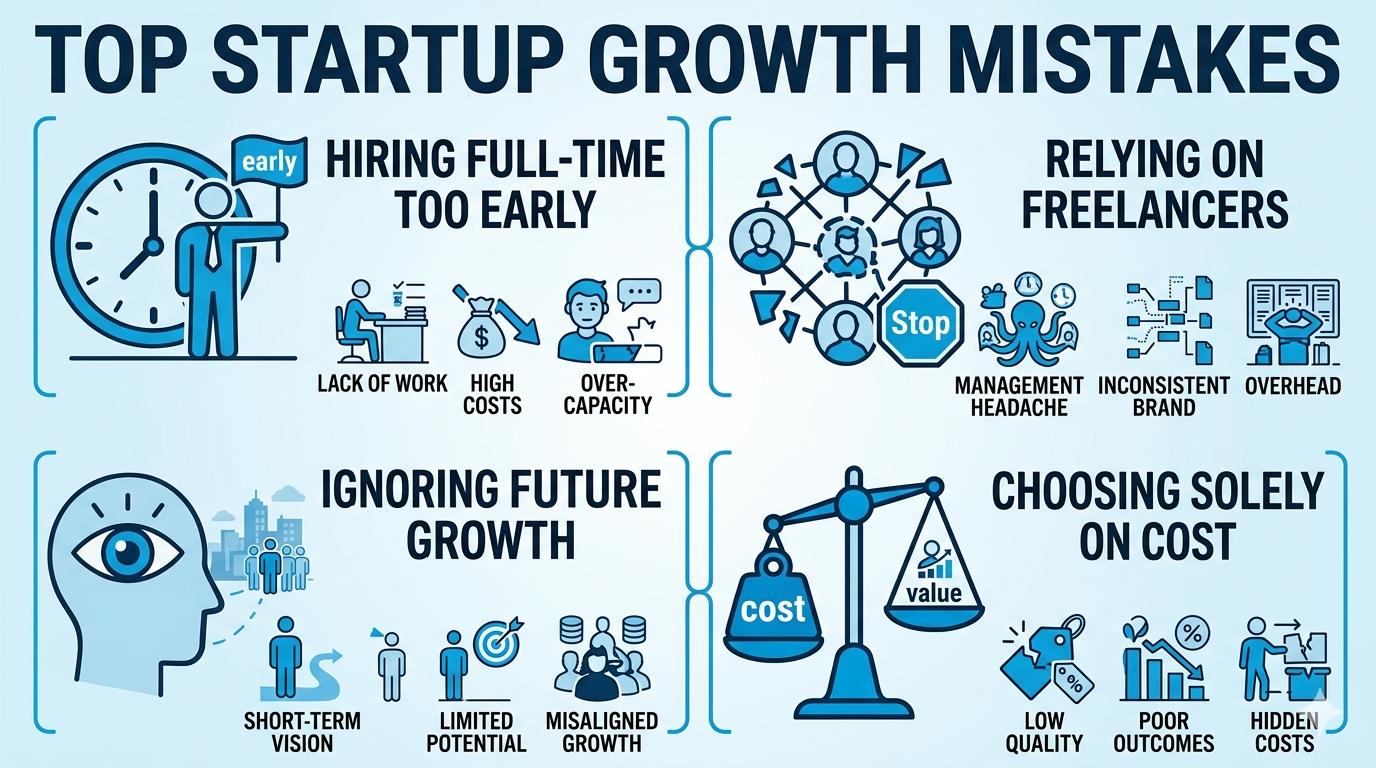
Hiring full-time too early
Many startups commit to permanent hires before design workloads justify the cost.
Relying on freelancers for everything
As businesses grow, managing multiple freelancers can become inefficient.
Ignoring future growth
Consider not only your current needs but where your company will be in the next 12–24 months.
Choosing based solely on cost
The cheapest option may not deliver the best business outcomes.
Conclusion
The decision between a freelance designer and a full-time designer is not about which option is better, it is about which option fits your business today.
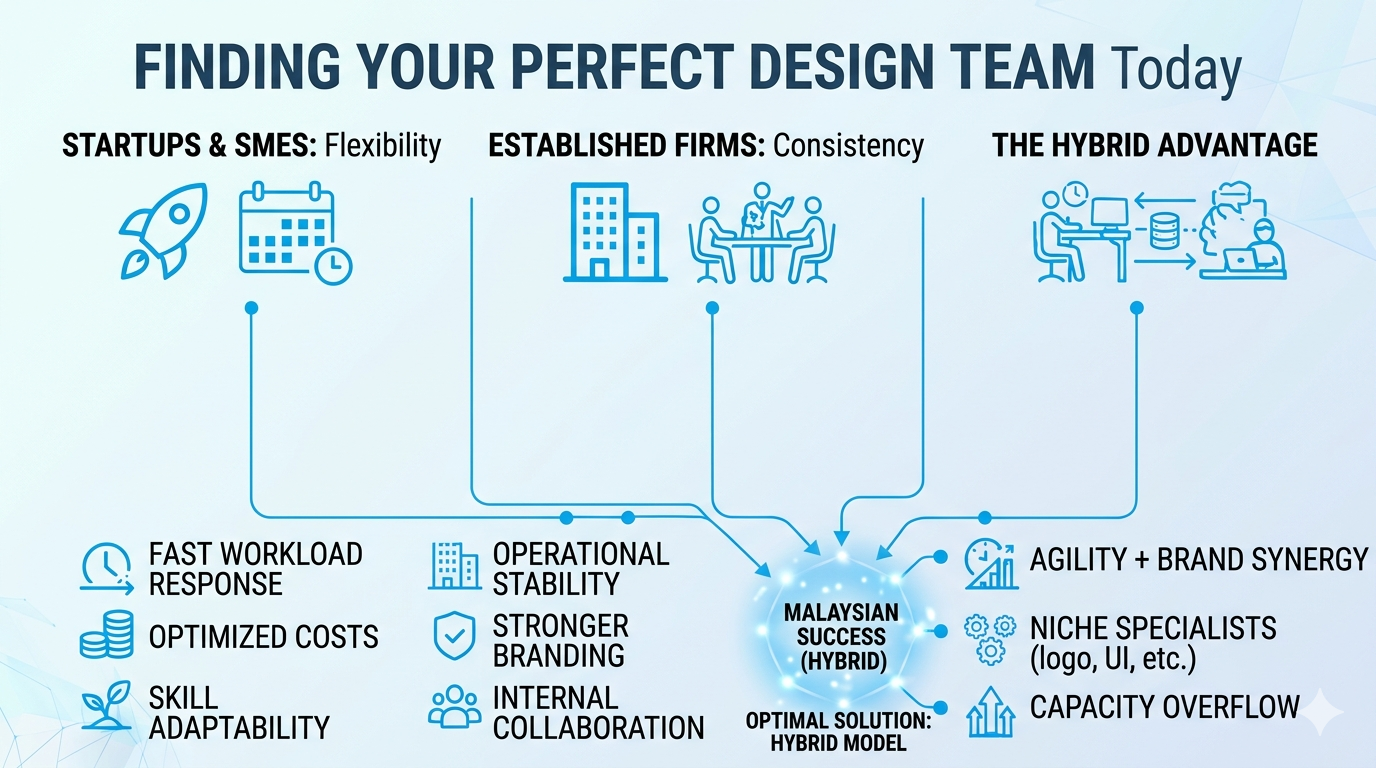
For startups and SMEs with changing workloads, freelance designers often provide the flexibility and cost efficiency needed to grow. For companies with continuous design requirements and established marketing operations, a full-time designer can deliver stronger brand consistency and internal collaboration.
Many successful Malaysian businesses eventually adopt a hybrid model, combining internal creative resources with freelance specialists when additional expertise or capacity is required.
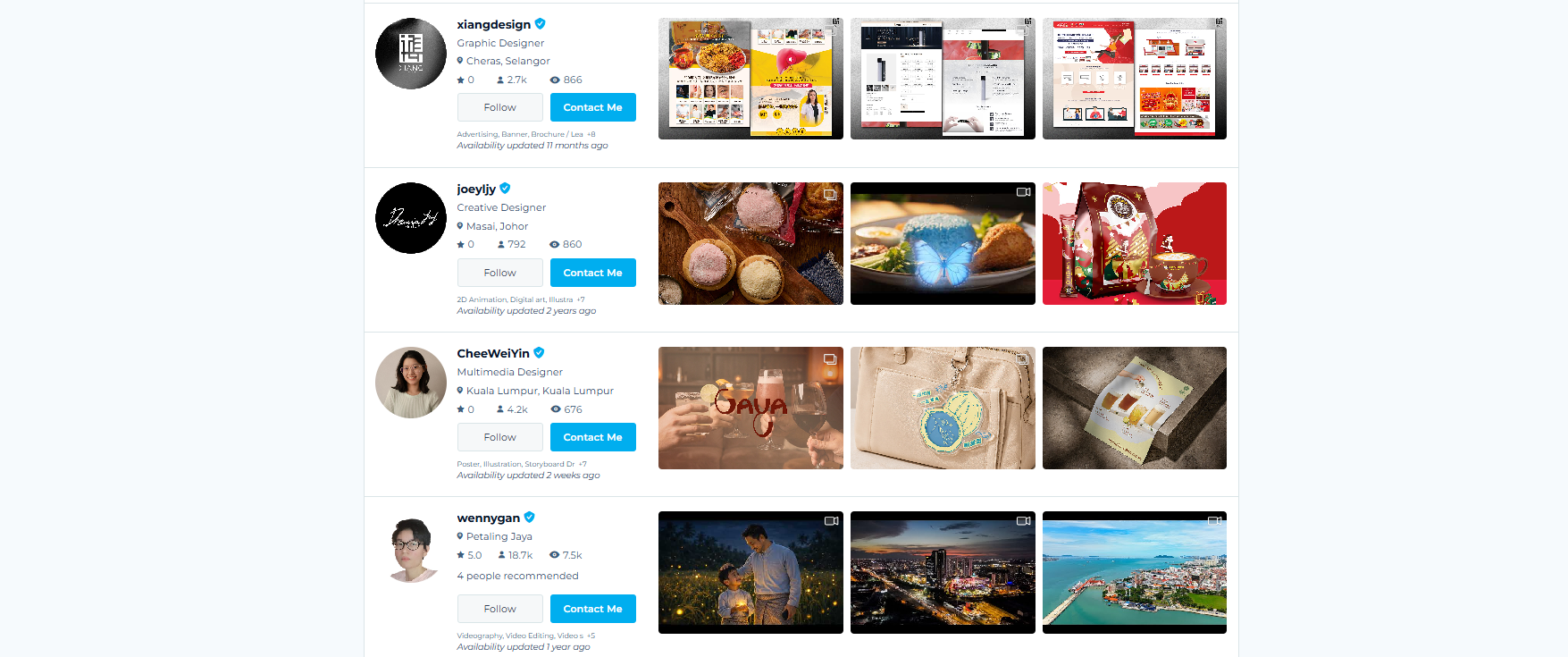
If you're deciding whether to hire freelance talent or build an internal creative team, platforms like Rtist.co can help you access designers across different experience levels and engagement models. This allows your business to scale creative resources based on actual needs rather than committing to a one-size-fits-all hiring approach.