Design trends evolve every year, influenced by technology, consumer behaviour, social media platforms, and changing expectations from customers. While businesses should not redesign their brand every time a new trend emerges, staying aware of current design directions can help brands remain relevant and competitive.
In 2026, businesses are increasingly focusing on authenticity, efficiency, and user experience. Understanding these trends can help companies make better decisions when investing in branding, marketing, and creative assets.
Why Design Trends Matter
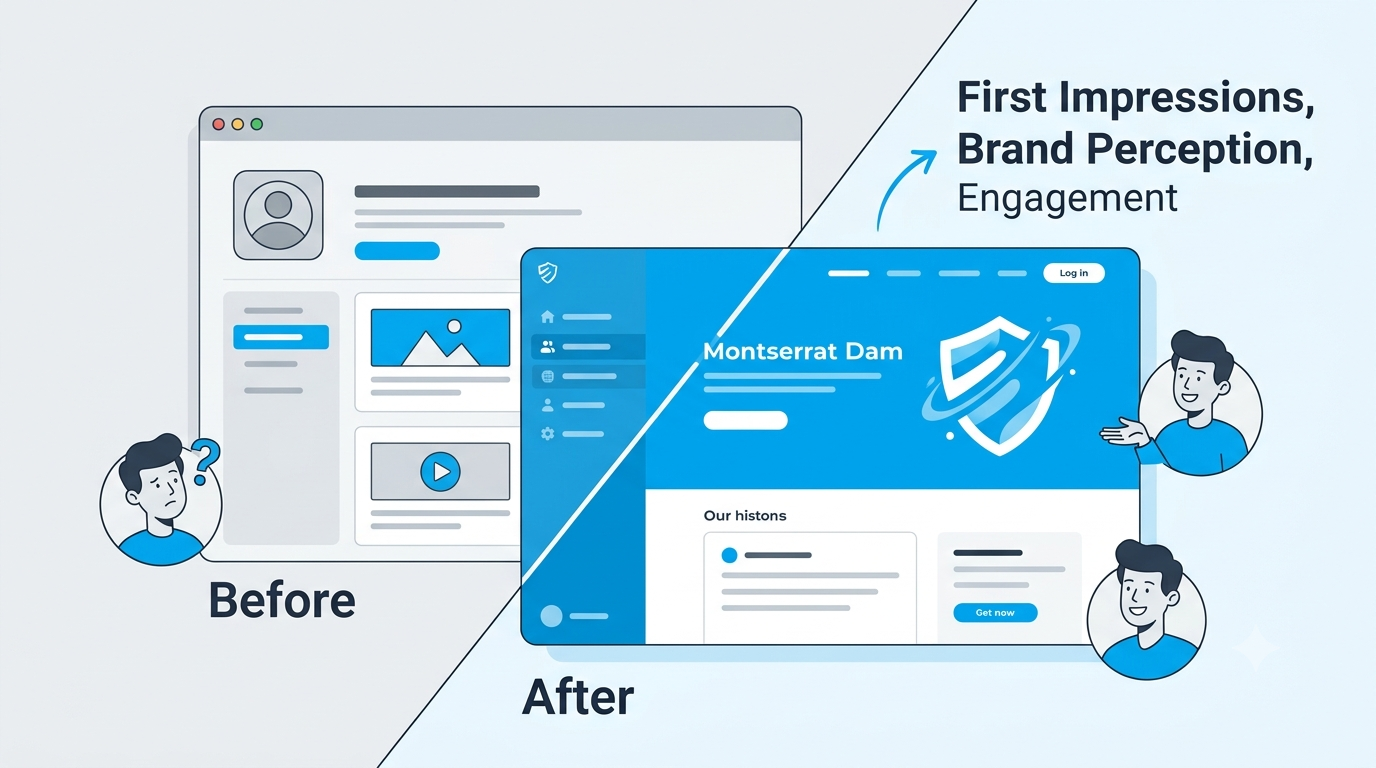
Good design affects how customers perceive a business. Modern visuals can make a brand appear innovative and trustworthy, while outdated design can create the opposite impression.
Design trends matter because they influence:
- First impressions
- Brand perception
- Customer engagement
- Marketing effectiveness
- Digital user experience
The goal is not to follow every trend blindly but to understand which trends support your business objectives.
Trend 1: AI-Assisted Design Workflows
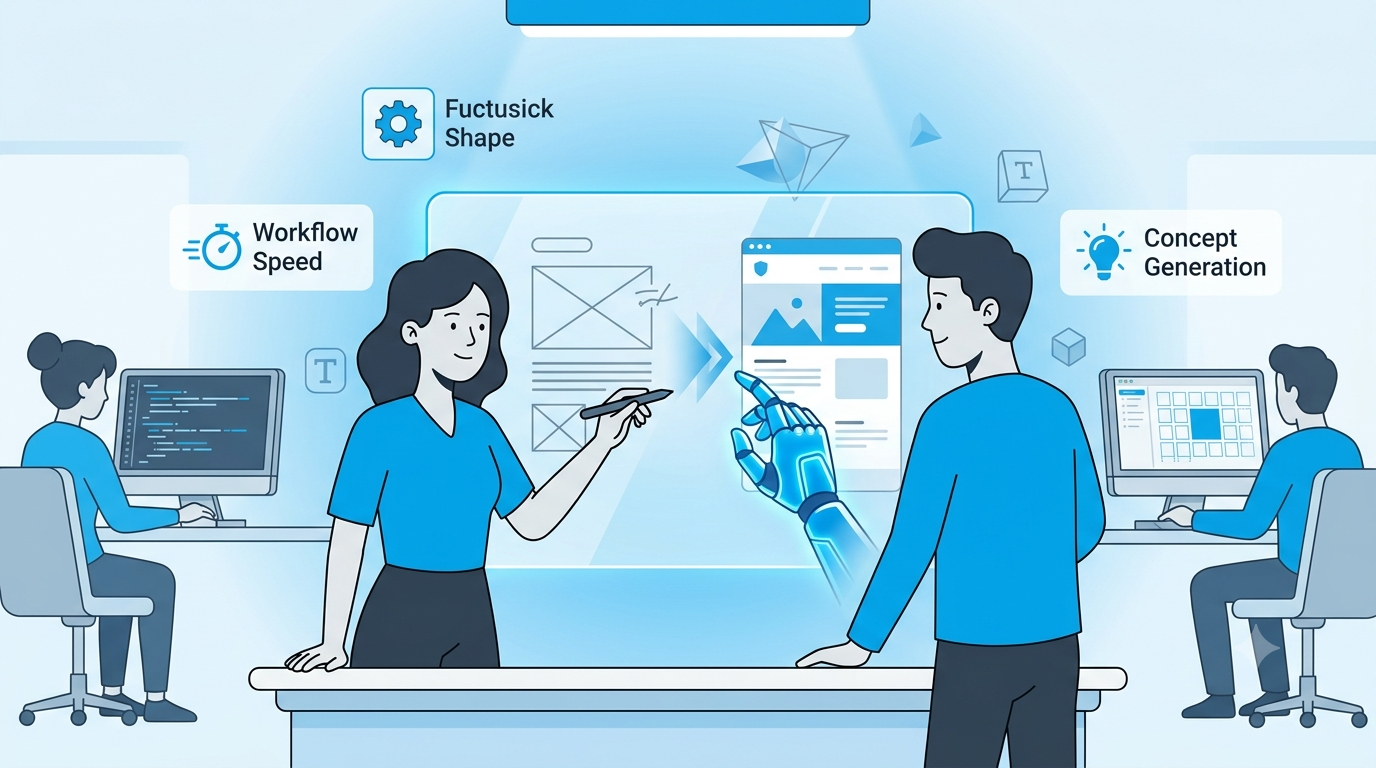
Artificial intelligence is becoming a standard part of many creative workflows.
Businesses are using AI tools to:
- Generate initial design concepts
- Create content variations
- Speed up production workflows
- Improve efficiency
However, AI is not replacing designers. Instead, it is helping creative professionals spend more time on strategy, storytelling, and creative problem-solving.
The businesses seeing the best results are combining AI efficiency with human creativity.
Trend 2: Motion-First Content
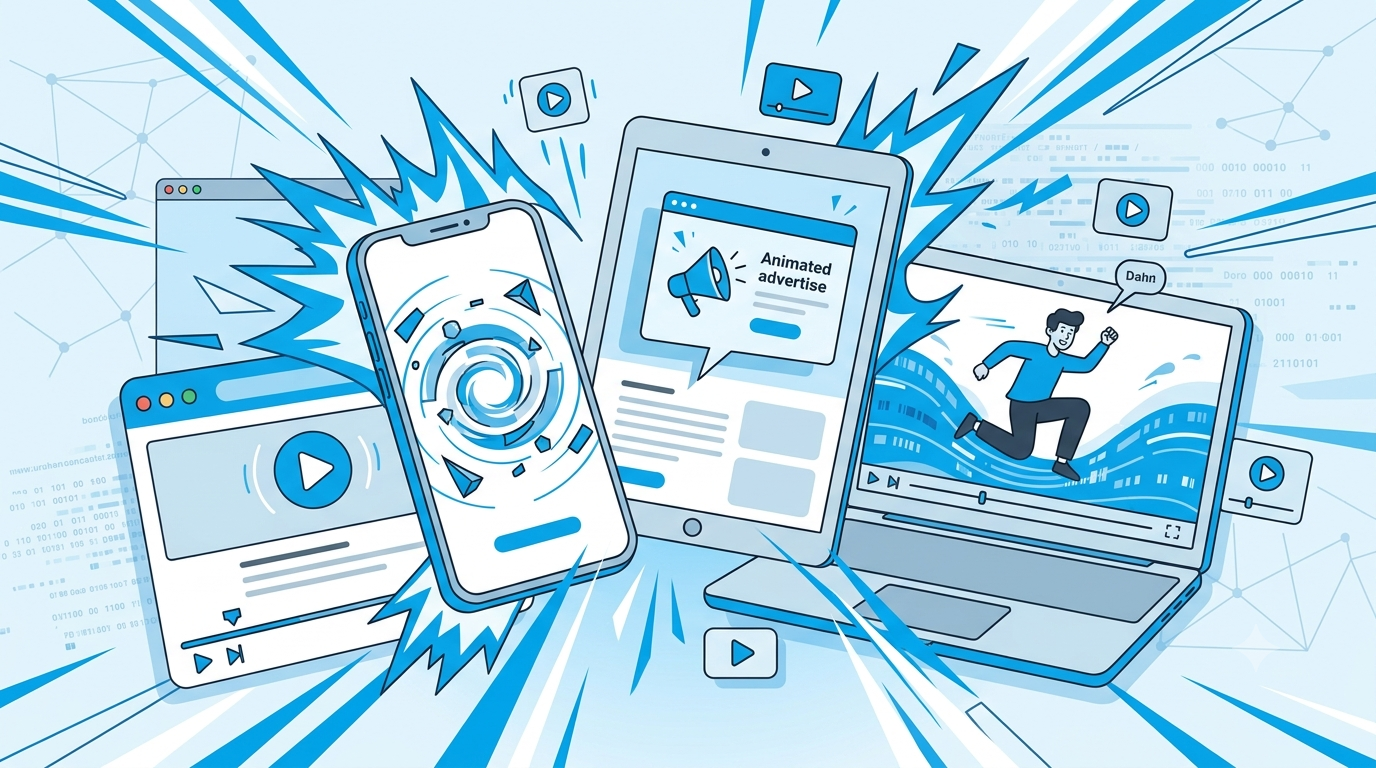
Video continues to dominate digital marketing.
Short-form content on platforms like TikTok, Instagram Reels, and YouTube Shorts has increased demand for:
- Motion graphics
- Animated advertisements
- Video-based storytelling
- Interactive content
Static visuals still have value, but brands that incorporate motion often see higher engagement and better audience retention.
Trend 3: Bold Typography
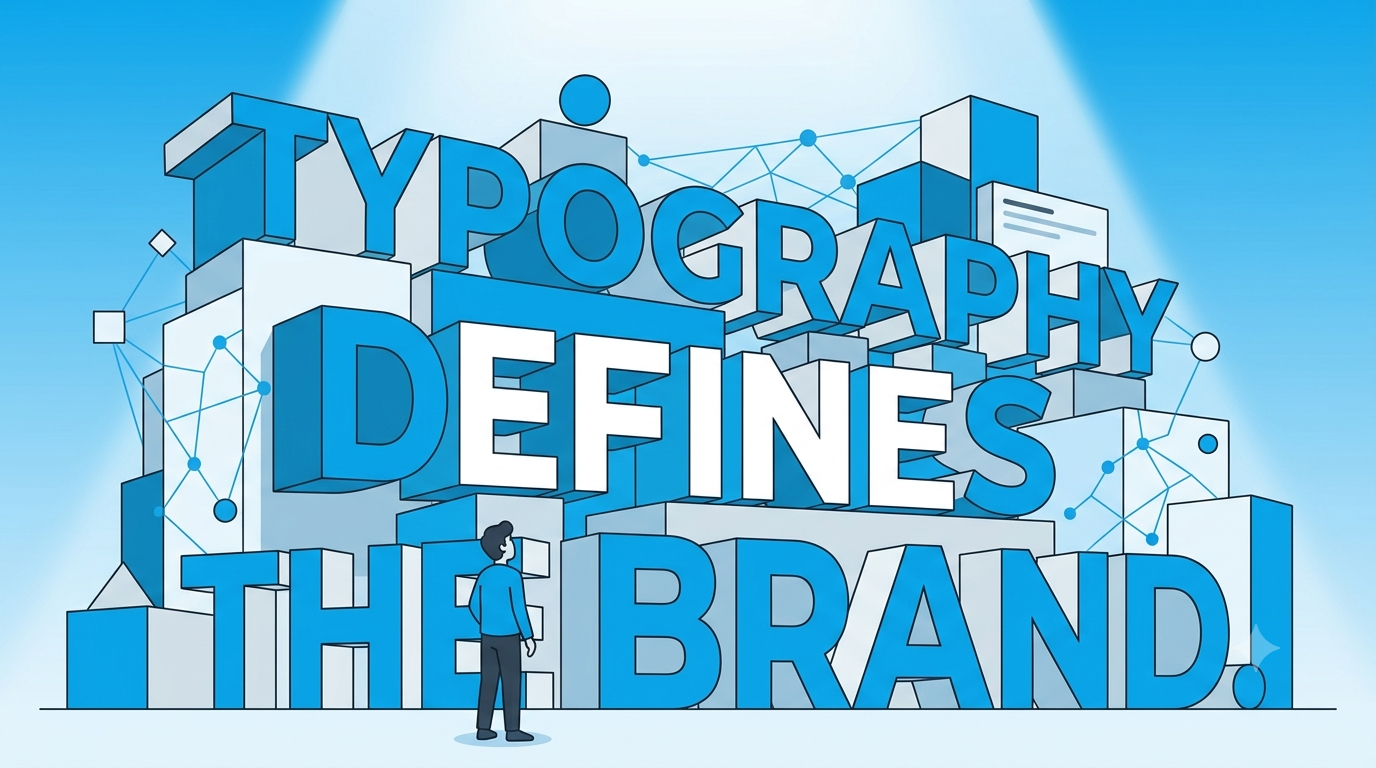
Typography is becoming a bigger part of brand identity.
Many modern brands are using:
- Large headlines
- Strong typography-driven layouts
- Minimalist visuals paired with impactful text
This approach helps businesses communicate messages quickly while creating a distinctive visual identity.
Trend 4: Authentic Brand Visuals
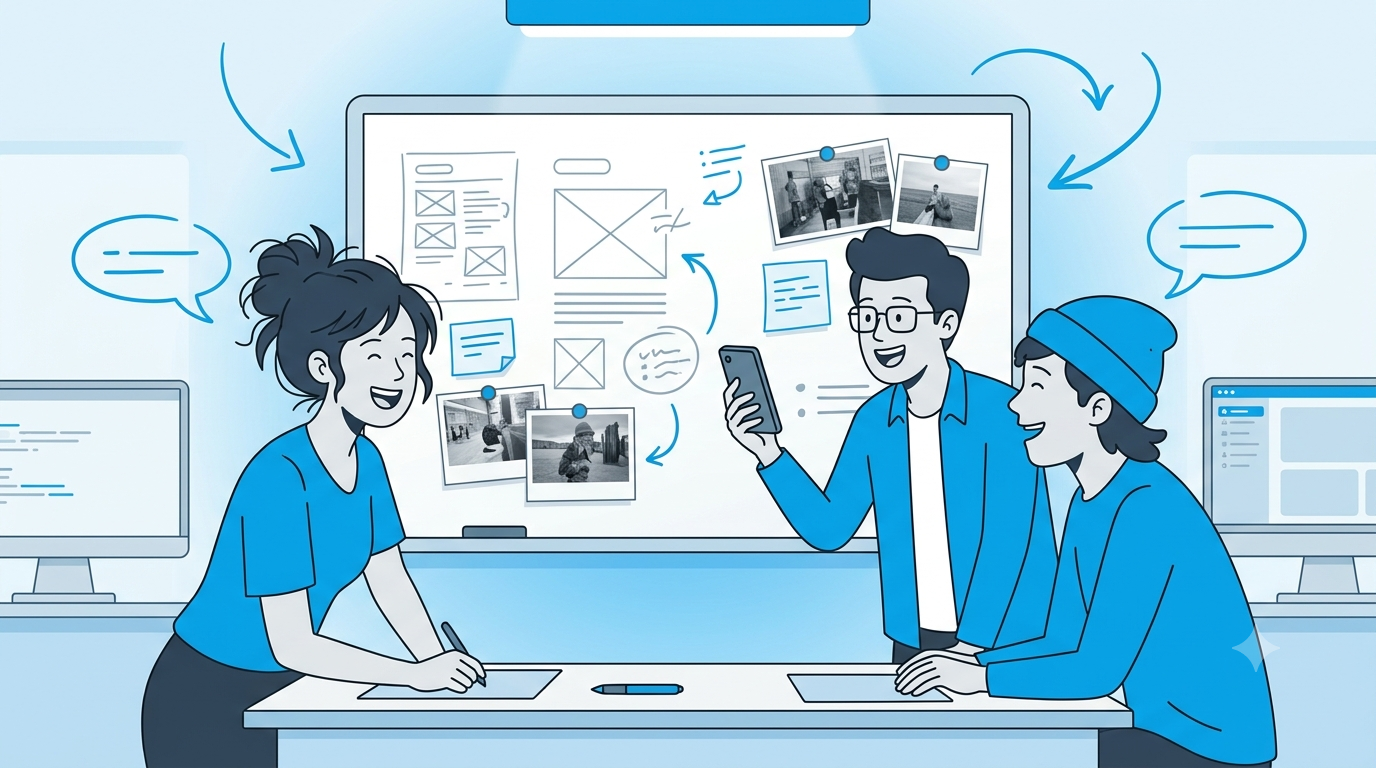
Consumers are becoming increasingly sceptical of overly polished marketing materials.
As a result, businesses are shifting towards:
- Real customer stories
- Employee-generated content
- Behind-the-scenes visuals
- Lifestyle photography
Authenticity often performs better than perfection because it feels more relatable and trustworthy.
Trend 5: Simplified User Experiences
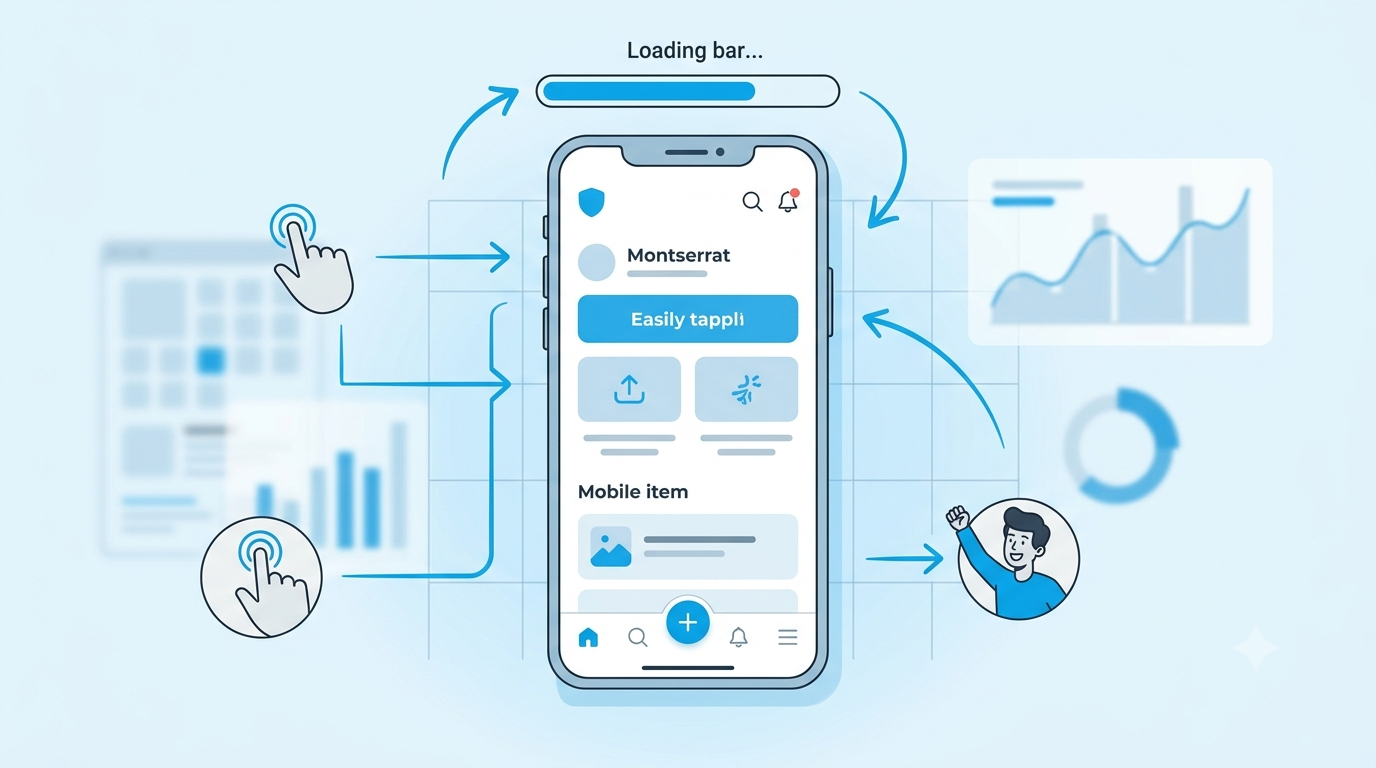
Customers expect fast and intuitive digital experiences.
Businesses are prioritising:
- Cleaner websites
- Mobile-first design
- Faster loading pages
- Simplified navigation
The focus is shifting from flashy visuals to practical usability that helps customers achieve their goals quickly.
Common Mistakes When Following Trends
One of the biggest mistakes businesses make is chasing every new trend without considering whether it fits their brand.
Common issues include:
- Constant rebranding
- Inconsistent visual identity
- Copying competitors
- Prioritising trends over customer needs
Successful brands use trends selectively while maintaining a consistent identity.
Final Thoughts
Design trends provide valuable insights into changing customer expectations and industry direction. The best businesses adopt trends that support their objectives while staying true to their brand identity.
Rather than chasing every trend, focus on building a strong visual foundation that can evolve over time.
Looking for Designers Who Understand Modern Design Trends?
Visit www.rtist.co to connect with graphic designers, UI/UX designers, illustrators, and creative professionals who understand current design trends while creating work that supports long-term business growth.