Budgeting for UX research is one of those tasks that trips up even experienced product teams. A founder might get three wildly different quotes for the same project, one from a boutique agency, one from a local freelancer, and one from an in-house hire, with no clear explanation for the gap. In Malaysia's growing digital economy, this confusion is common, and it often leads businesses to either overpay for research they don't need or skip it entirely and ship a product that fails at launch.
This guide breaks down what actually drives UX research costs in Malaysia, what different engagement models look like in practice, and how to budget for research without wasting money on the wrong scope or the wrong hire.
The Problem: Budgeting Blind

User research is the investigation to understand user behaviors, needs and motivations through interviews, surveys, usability evaluations and other feedback methodologies, used to understand how people interact with products and improve the overall user experience.
That sounds straightforward, but the actual cost of running this work varies enormously depending on who you hire and how you scope the project. Many Malaysian startups and SMEs approach UX research the same way they'd approach hiring a graphic designer for a logo, expecting a flat, predictable fee. In reality, research pricing depends on method complexity, participant recruitment, seniority of the researcher, and whether you're hiring a freelancer, an agency, or bringing someone on full time.
Without a clear framework, businesses either default to guesswork or avoid research altogether, which usually costs more down the line in redesigns and lost users.
What Actually Drives the Cost

1. The research method. A handful of moderated user interviews costs far less than a multi-week usability testing sprint with recruited participants, screening criteria, and a full report. Surveys and unmoderated tests tend to sit on the lower end; contextual inquiries, ethnographic studies, and large-scale usability testing sit higher.
2. Seniority and specialization. A junior researcher or a generalist designer who can run basic interviews will charge less than a senior UX researcher with a strong portfolio in a specific industry, such as fintech or healthcare.
3. Engagement type. This is the biggest variable. Freelance work tends to be priced per project or per day, agencies usually quote a retainer or fixed project fee that includes overhead, and full-time hires come with a monthly salary plus employer costs like EPF and SOCSO contributions.
4. Scope and deliverables. A simple findings summary costs less than a polished report with personas, journey maps, and stakeholder presentations.
For context on the broader Malaysian labor market,
Malaysia's mean wage stood at RM3,992 in 2024, while the median salary was RM2,845.
Specialized digital roles like UX research typically sit well above these national averages, especially in Kuala Lumpur, Selangor, and Penang where most tech and creative hiring is concentrated.
Freelance vs Agency vs In-House
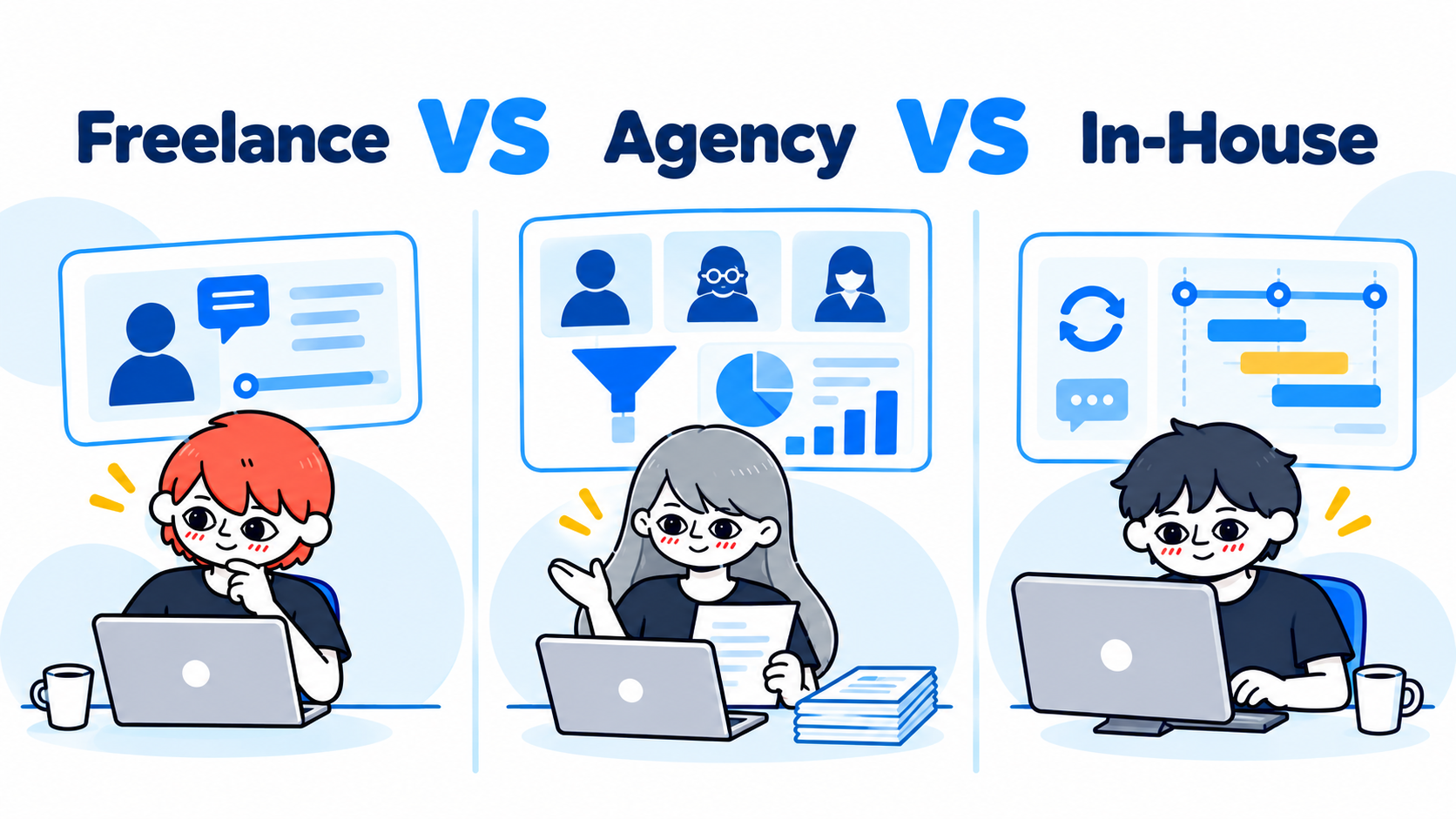
Hiring freelance talent local to Malaysia is often the most cost-efficient route for one-off projects or ongoing but irregular research needs. A freelance UX researcher can be brought in for a specific sprint, a usability round before a product launch, or a discovery phase for a new feature, without the long-term commitment of a salary.
Agencies, including established Malaysian market research firms, offer more structure and often manage participant recruitment for you, which is valuable for larger studies but comes at a premium.
As of 2025, Merdeka Center has conducted over a million interviews involving approximately 1,100 separate survey projects in Malaysia and neighboring ASEAN countries, illustrating the scale at which established research firms operate compared to a solo freelancer.
In-house hiring makes sense once research becomes a continuous function rather than a project-based need, but it's rarely the first step for startups still validating a product.
Example Scenarios
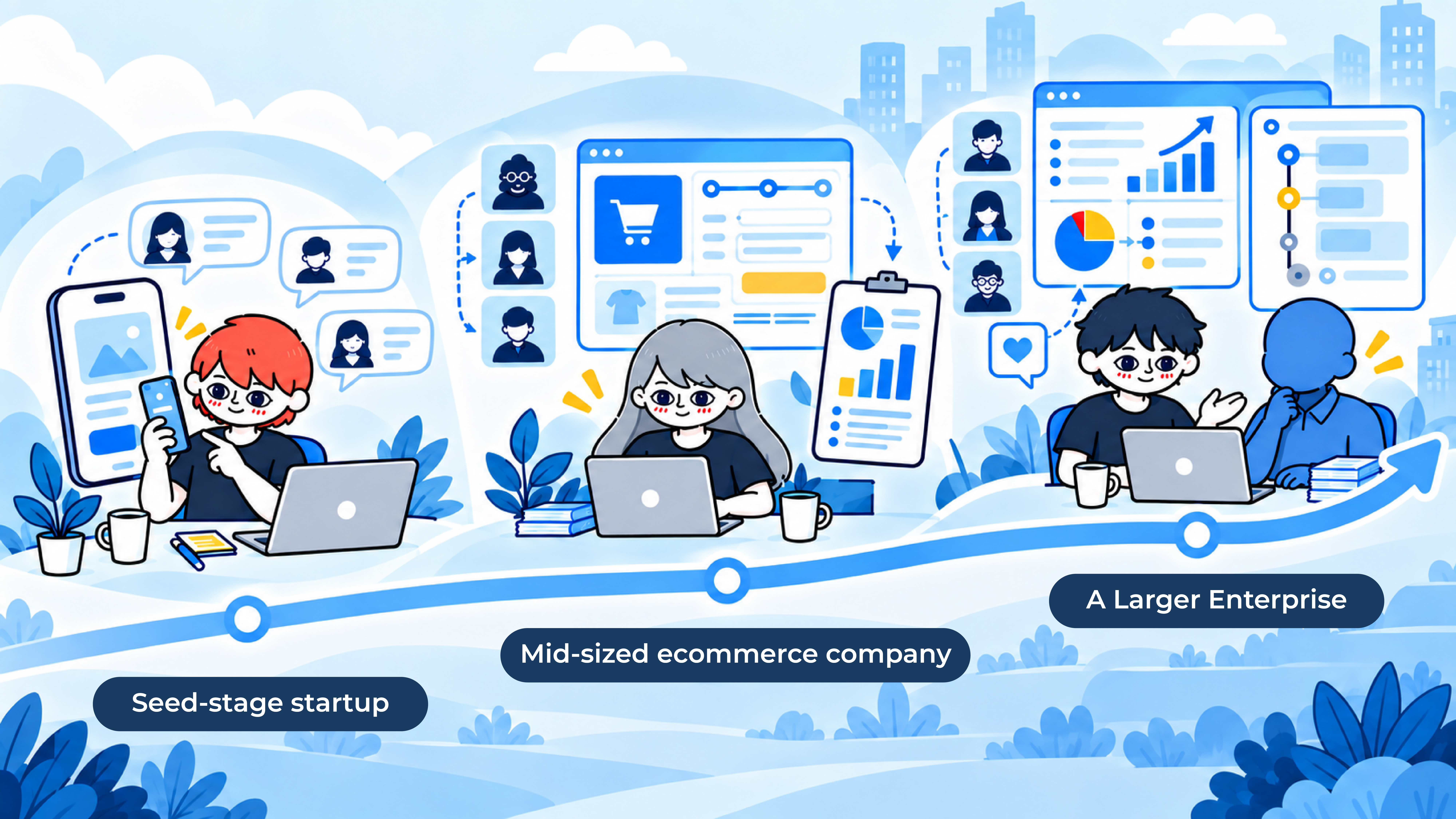
A seed-stage startup validating a new app concept might hire a local freelancer for a short round of five to eight user interviews before their next funding pitch. A mid-sized ecommerce company redesigning its checkout flow might commission a usability testing project with recruited participants and a full report.
A larger enterprise rolling out a new internal tool might combine a freelance researcher with an in-house product designer or an art director overseeing the visual output, splitting the cost across a smaller, faster engagement.
Actionable Tips for Budgeting UX Research
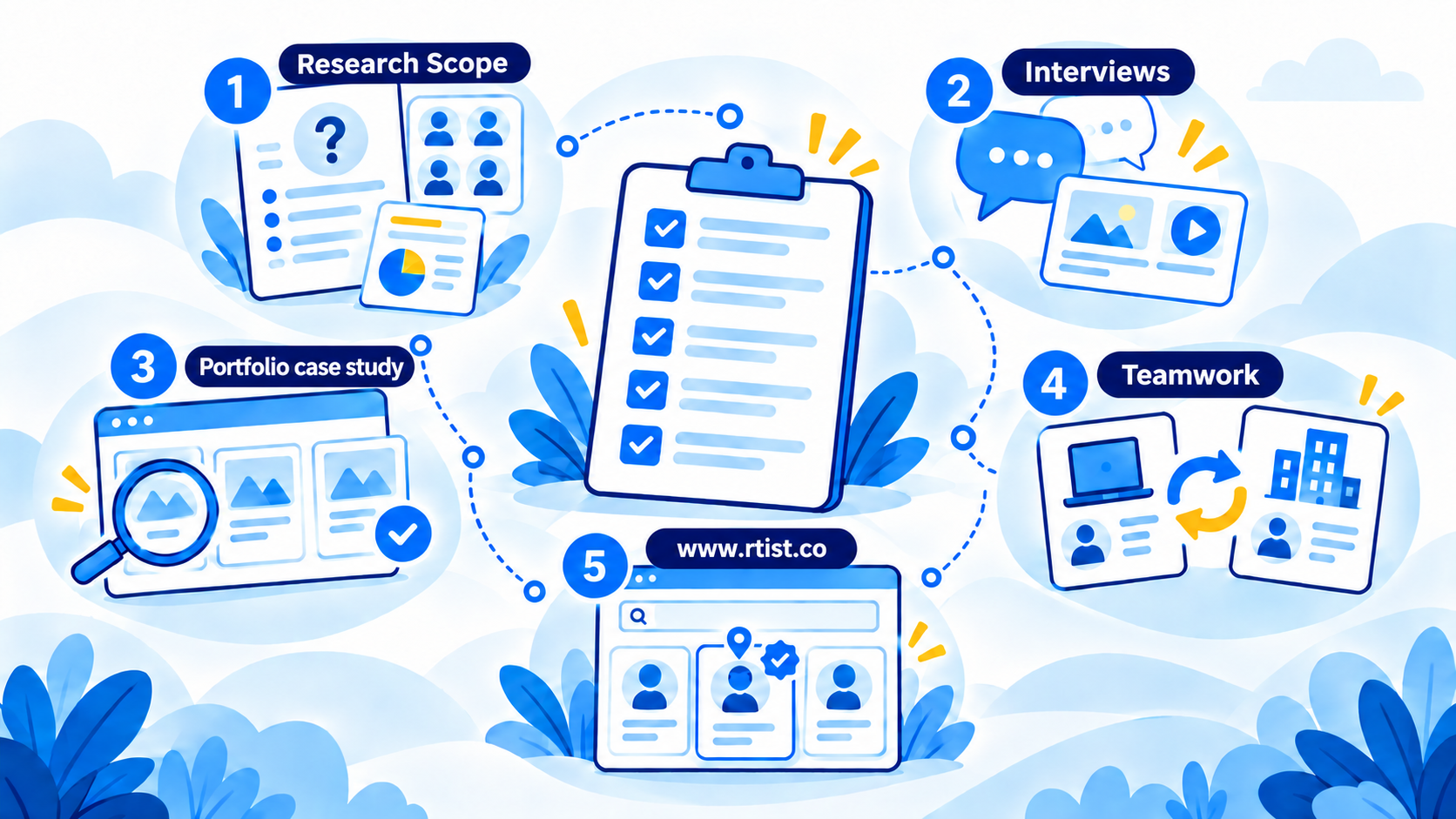
Scope before you quote. Define your research question, number of participants, and deliverables before reaching out, so freelancers and agencies can quote accurately instead of padding for uncertainty.
Start small. A short round of interviews is often enough to validate direction before committing to a larger, more expensive study.
Check portfolios, not just rates. A researcher's past case studies tell you more about fit than their day rate alone.
Mix freelance and full-time. Many Malaysian teams use freelance researchers for spikes in demand while keeping design and talent acquisition efforts focused on core, ongoing roles.
Use platforms built for local hiring. Browsing verified portfolios of Malaysian creative talent, rather than cold-messaging strangers, reduces the risk of mismatched expectations on cost and quality.
Conclusion
There's no single answer to what UX research costs in Malaysia, but there is a clear way to think about it: match your engagement model to your actual need. A local freelancer suits short, focused projects. An agency suits larger, recruitment-heavy studies. A full-time hire suits businesses where research never stops. Getting this right protects your budget and your product.
How Rtist Can Help

Rtist connects businesses with a database of over 20,000 designers and creative professionals, many of whom offer freelance jobs for graphic designers, UX researchers, and art directors, all searchable by portfolio first. Whether you need a one-off freelancer, a contract researcher, or a handpicked shortlist for a bigger initiative, Rtist has already helped more than 8,000 clients find the right creative fit without the guesswork.
👉 Post a job for free or browse specialist portfolios today.
## FAQs
How to hire talent on Rtist?
Rtist offers multiple ways to hire creatives, including browsing and messaging talents directly, posting jobs for free, using the Handpick service for tailored recommendations, or exploring daily featured resumes through the HR Bank community.
How does Rtist work for businesses?
Rtist helps businesses hire creatives independently. Post a job, browse talent profiles, message candidates directly, and collaborate once aligned, all through a platform built to simplify finding, contacting, and hiring creative professionals for any project or role.
Does UX research cost more with an agency than a freelancer?
Generally yes, since agencies typically bundle in participant recruitment, project management, and reporting overhead, while a freelancer's rate reflects their individual time and expertise.
Can I hire a UX researcher for a single project instead of full time?
Yes. Freelance and contract arrangements are common for UX research precisely because most businesses only need it in bursts tied to specific launches or redesigns, not as a continuous role.