The creative industry in Malaysia and Southeast Asia is undergoing a major shift. Roles that were once considered purely “art-based” are now closely tied to business outcomes, digital performance, and data-driven marketing.
Today, creative professionals are no longer paid just for output quality. They are paid for impact, speed, adaptability, and their ability to support business growth in a digital-first economy.
This guide provides a macro-overview of creative salaries in Malaysia, regional Southeast Asia trends, the impact of remote work, and the roles that are growing fastest in demand.
1. Overview of Creative Salaries in Malaysia (2026 baseline)
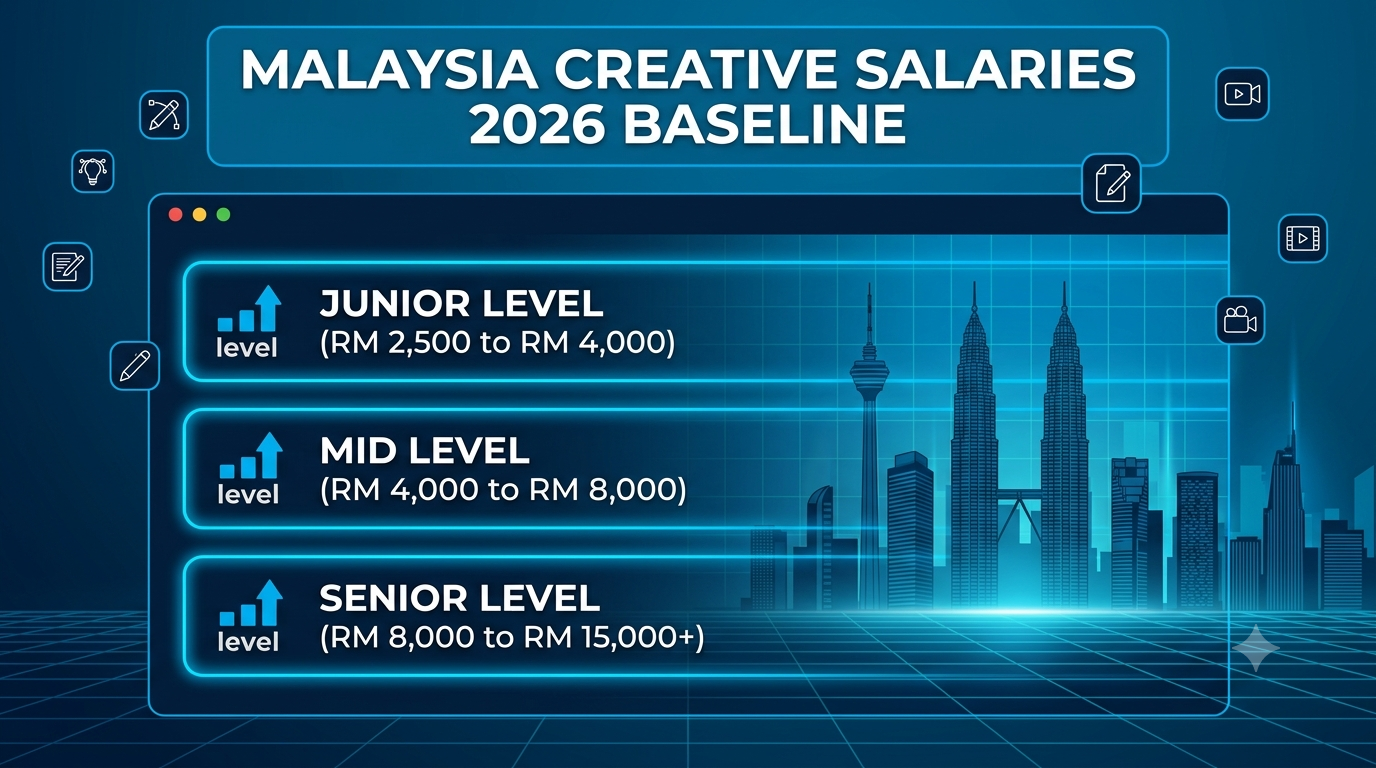
Across Malaysia, most creative roles fall into these general salary bands:
Junior level
RM 2,500 to RM 4,000 per month
Mid level
RM 4,000 to RM 8,000 per month
Senior level
RM 8,000 to RM 15,000+ per month
Leadership or specialized roles such as creative directors, UX leads, or performance-driven content strategists can exceed RM 15,000 per month depending on industry and company size.
Across all categories, salaries are highest in Kuala Lumpur and Selangor due to concentration of agencies, tech companies, and regional headquarters.
2. Salary breakdown by major creative career clusters
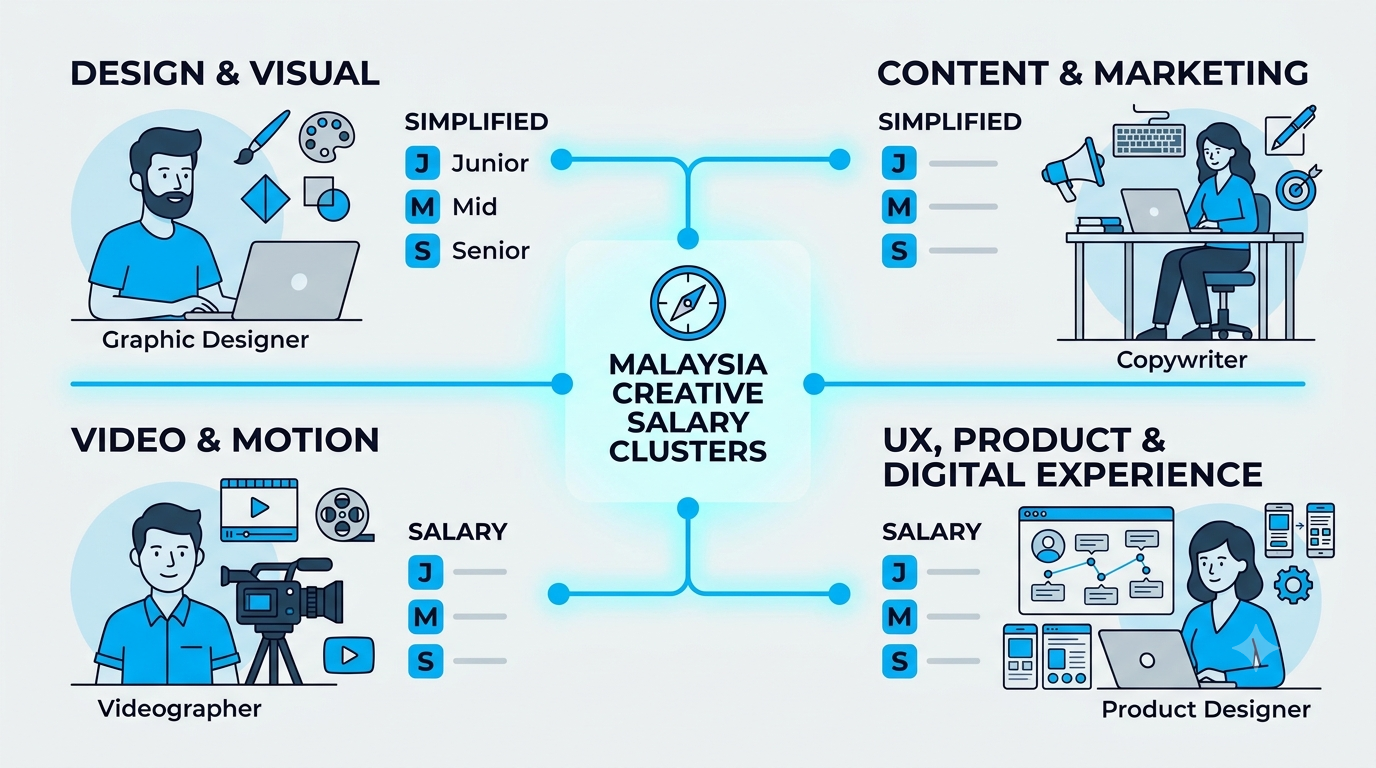
Creative roles are no longer a single category. They now split into specialized clusters with different earning potential.
Design and visual roles
Includes graphic designers, branding designers, and illustrators
Junior: RM 2,500 to RM 3,500
Mid: RM 3,500 to RM 6,500
Senior: RM 6,500 to RM 12,000+
UX and UI designers sit at the higher end of this cluster due to strong demand in tech and product companies.
Content and marketing creative roles
Includes copywriters, social media managers, and content strategists
Junior: RM 2,500 to RM 4,000
Mid: RM 4,000 to RM 7,500
Senior: RM 7,500 to RM 12,000+
Performance-driven content roles such as SEO writers and conversion copywriters are increasing in value faster than traditional content roles.
Video and motion production roles
Includes videographers, video editors, and motion designers
Junior: RM 2,500 to RM 4,500
Mid: RM 4,000 to RM 8,000
Senior: RM 8,000 to RM 15,000+
Short-form video production for TikTok, Instagram Reels, and ads is driving strong demand growth.
UX, product, and digital experience roles
Includes UI/UX designers and product designers
Junior: RM 3,000 to RM 5,000
Mid: RM 5,000 to RM 9,000
Senior: RM 9,000 to RM 15,000+
These are among the highest-paying creative roles due to direct impact on user conversion, retention, and product performance.
3. Southeast Asia salary trends
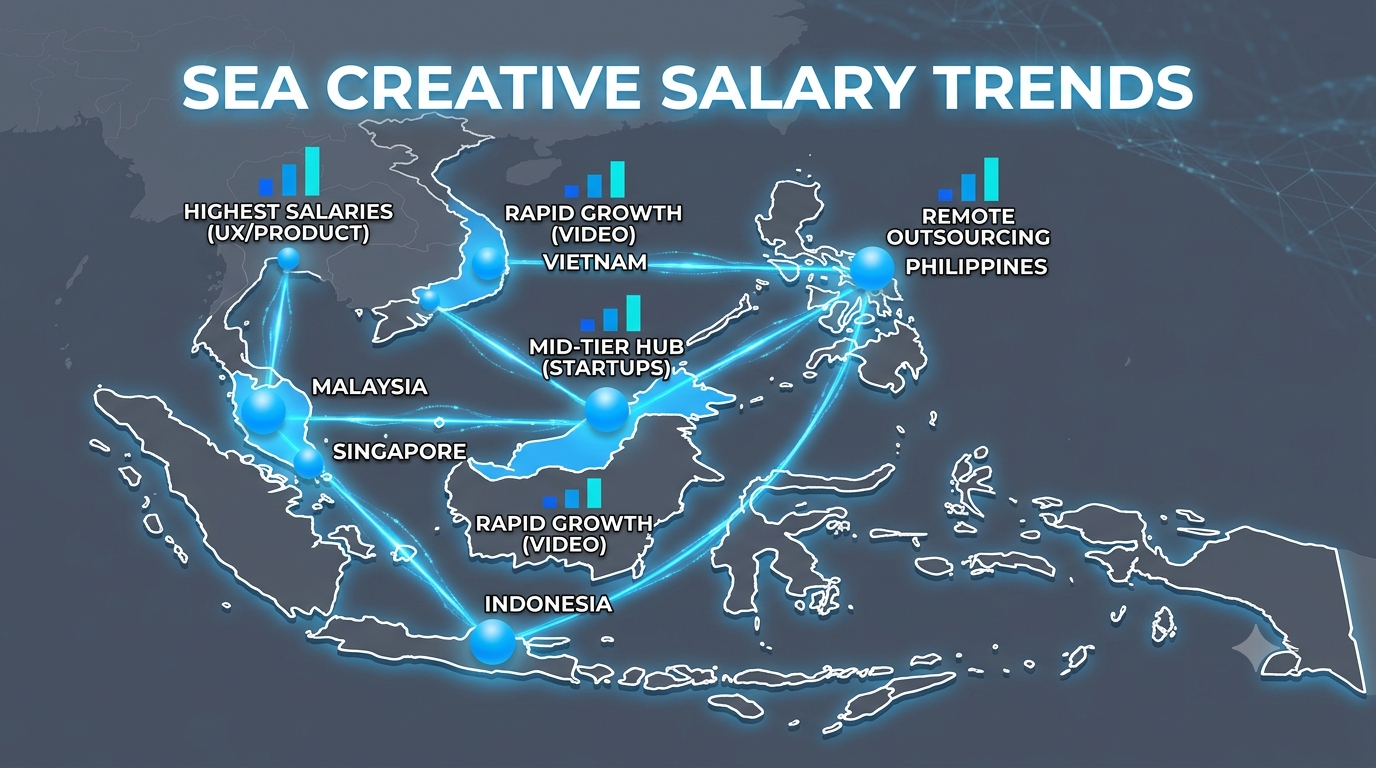
Across Southeast Asia, creative salaries are rising steadily, but unevenly.
Key regional patterns
Singapore
Highest salaries in the region, often 2x to 3x Malaysia levels for similar roles, especially in UX, product design, and performance marketing.
Malaysia
Mid-tier regional hub with strong demand from agencies, startups, and multinational companies. Competitive but cost-efficient for employers.
Indonesia and Vietnam
Rapidly growing creative workforce with lower average salaries, but increasing demand for digital marketing, UI/UX, and video content roles.
Philippines
Strong outsourcing and remote creative workforce, especially in content writing, design support, and social media management.
4. Remote work and global hiring impact
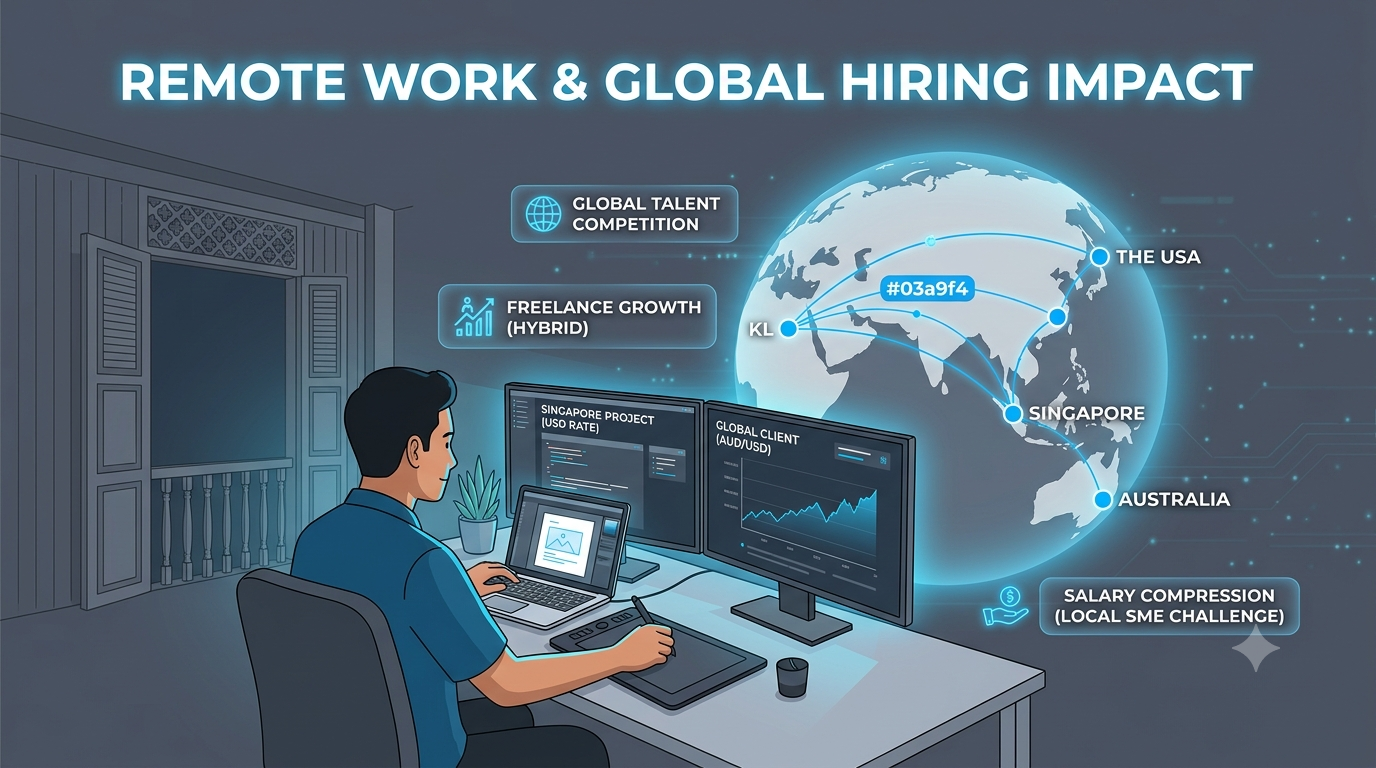
Remote work has permanently changed creative salary structures.
Key impacts:
Global competition for talent
Malaysian designers and creatives can now work for Singapore, Australia, or US-based companies, often earning significantly higher rates than local roles.
Salary compression for local companies
SMEs hiring only locally must now compete with remote offers, especially for UI/UX, video editing, and copywriting roles.
Rise of freelance and hybrid careers
Many creatives now combine full-time roles with freelance work, increasing total monthly income beyond traditional salary ceilings.
Project-based hiring growth
Companies increasingly prefer hiring freelancers or contractors for campaigns rather than maintaining large in-house teams.
5. Rising demand roles in 2026
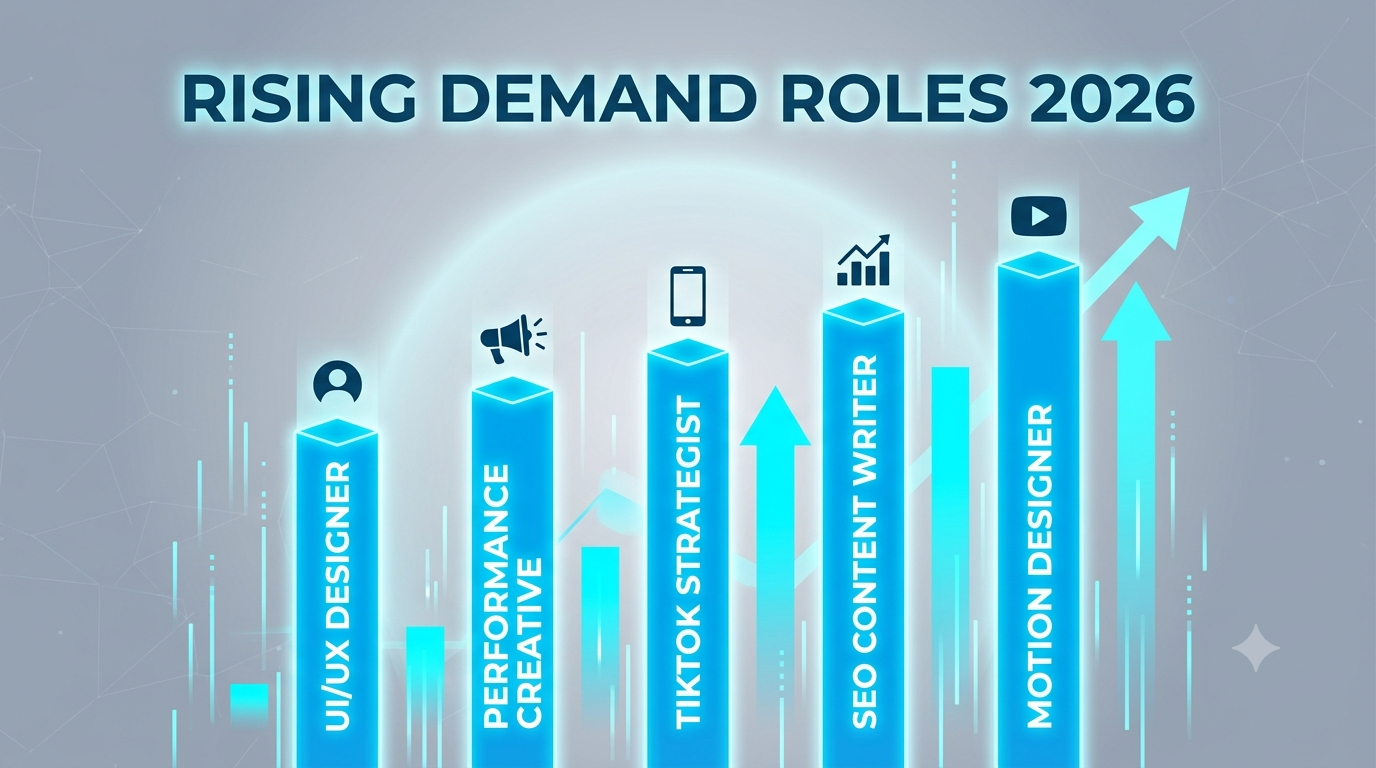
Several creative roles are experiencing faster growth in demand and salary compared to others.
High growth roles:
- UI/UX designers and product designers
- Performance marketing creatives
- TikTok content strategists and video editors
- SEO content writers and conversion copywriters
- Motion designers and short-form video producers
These roles are driven by the shift toward digital products, social commerce, and performance marketing.
6. Skills driving higher salaries across all creative roles
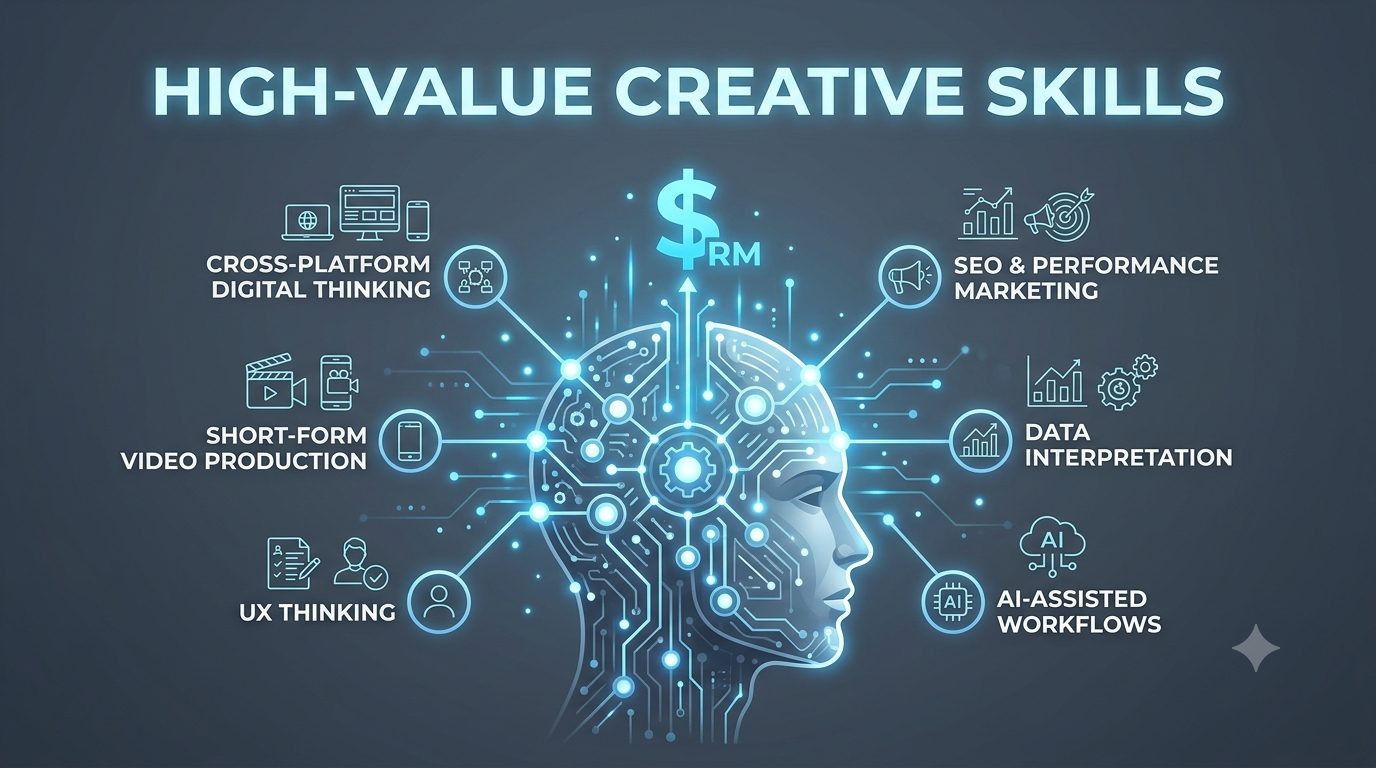
Salary growth is increasingly skill-based rather than title-based.
High-value skills include:
- Cross-platform digital thinking (social, web, mobile)
- Short-form video production and editing
- UX thinking and user behavior understanding
- SEO and performance marketing integration
- Data interpretation and campaign optimization
- AI-assisted design and content creation workflows
Creatives who combine multiple skill sets consistently earn more than specialists with narrow capabilities.
8. Industry differences in creative pay
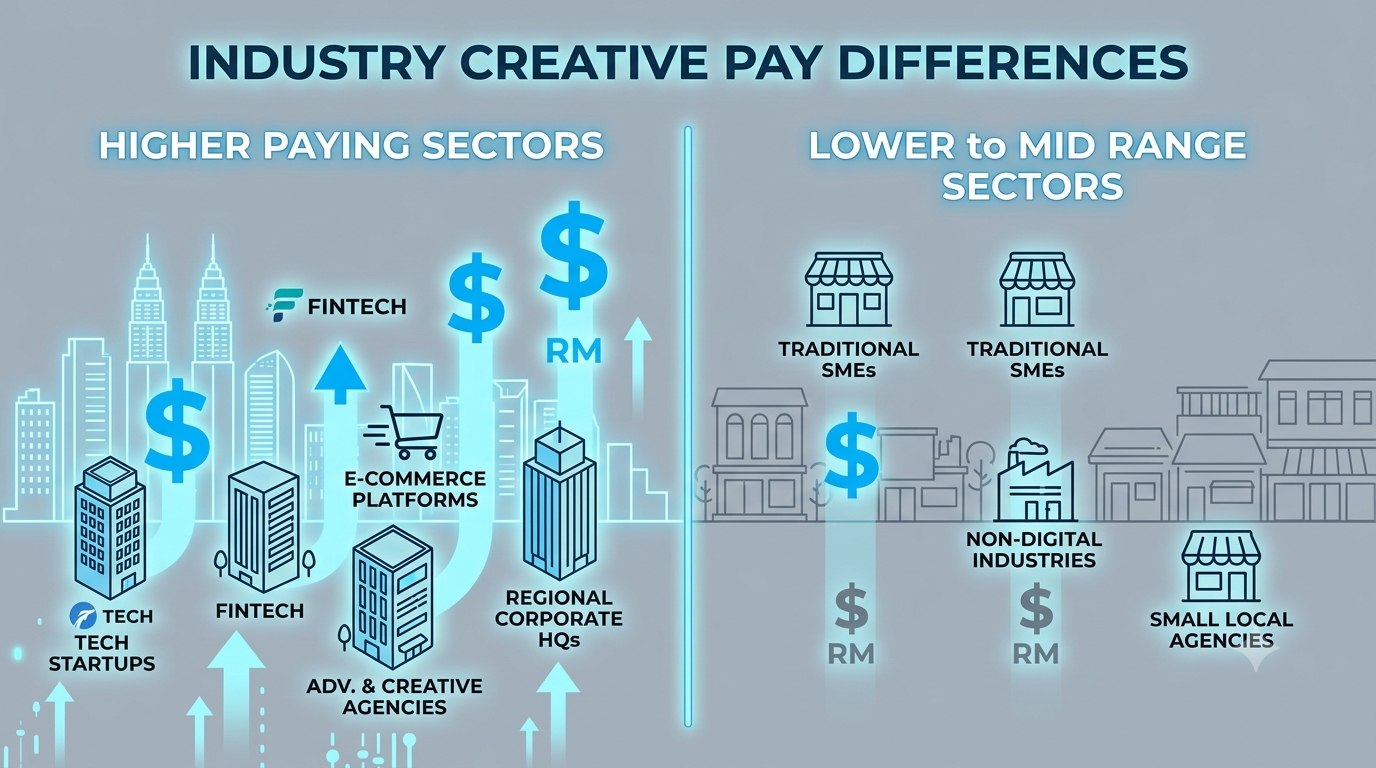
Certain industries consistently pay higher creative salaries.
Higher paying sectors:
- Tech startups and SaaS companies
- Fintech and digital banking
- E-commerce platforms
- Advertising and creative agencies
- Regional corporate HQs
Lower to mid range sectors:
- Traditional SMEs
- Non-digital industries
- Small local agencies without regional clients
8. What is changing in the creative job market
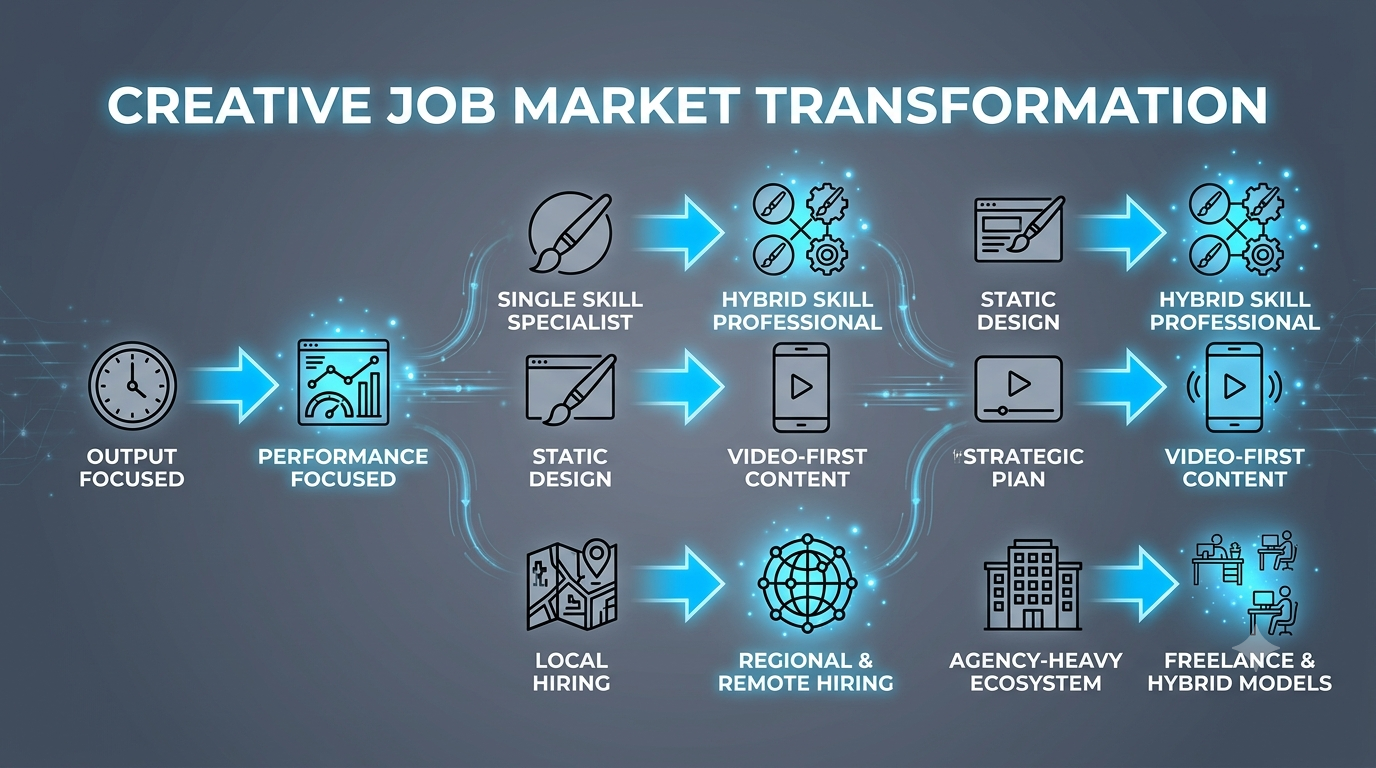
The creative industry is shifting in several key ways:
From output focused to performance focused roles
From single skill specialists to hybrid skill professionals
From static design to video-first content creation
From local hiring to regional and remote hiring competition
From agency-heavy ecosystems to freelance and hybrid models
Creative professionals who adapt to these changes are seeing faster salary growth and more opportunities.
9. What this means for employers and SMEs
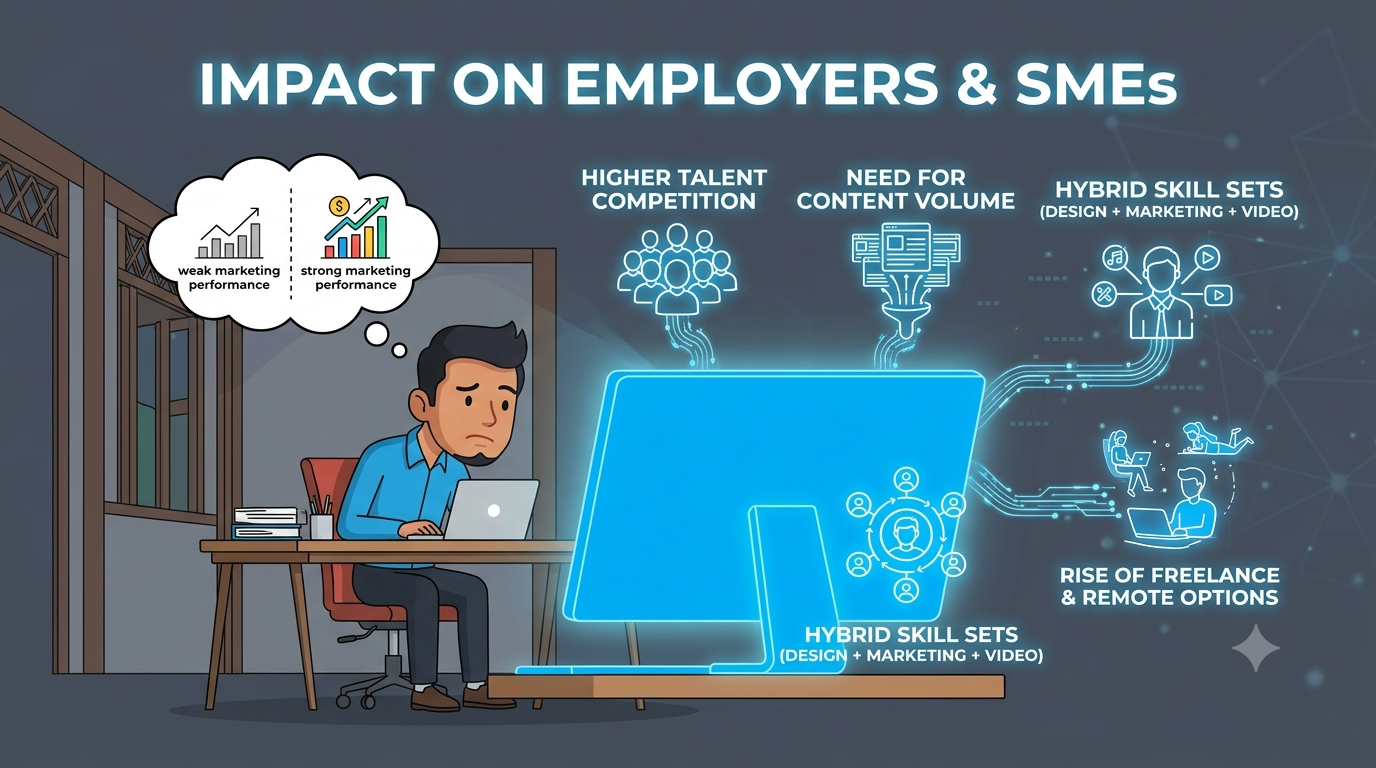
For businesses in Malaysia, salary expectations must now reflect:
- Higher competition for digital creative talent
- Increased importance of speed and content volume
- Need for hybrid skill sets (design plus marketing plus video)
- Rising freelance and remote hiring alternatives
Hiring purely based on lowest cost often leads to higher revision cycles and weaker marketing performance.
10. Where businesses hire creative talent
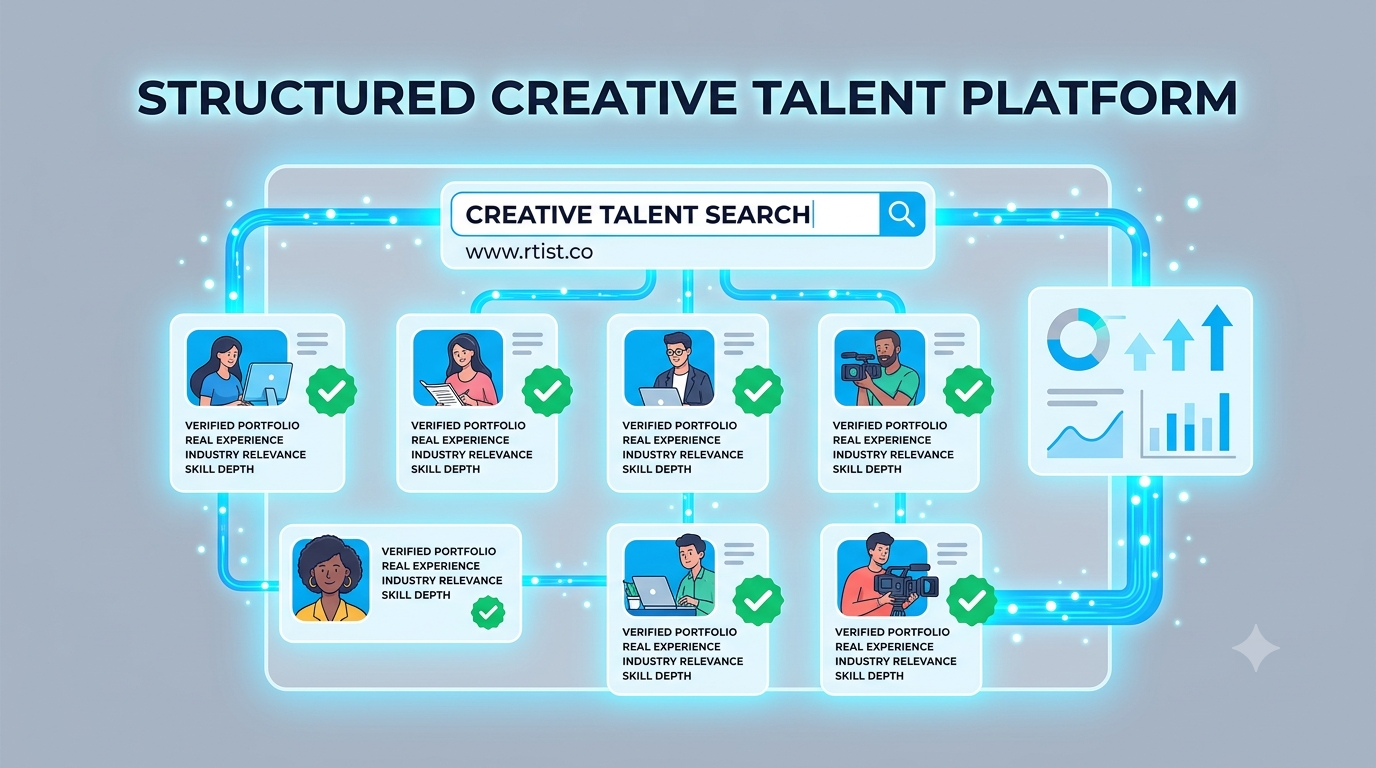
Instead of relying on fragmented job boards or inconsistent referrals, businesses can access structured creative talent through platforms like www.rtist.co , where designers, writers, videographers, and digital creatives showcase verified portfolios and real work experience.
This allows employers to evaluate:
- Skill depth and style consistency
- Industry relevance
- Portfolio quality
- Project experience
before making hiring decisions.
Final thoughts
The creative industry in Malaysia and Southeast Asia is no longer defined by traditional job roles. It is now a hybrid ecosystem shaped by digital platforms, remote work, and performance-based expectations.
While average salaries remain in familiar ranges, top-tier creatives are increasingly earning above-market rates by combining multiple skills and aligning their work with business outcomes.
The future of creative work belongs to professionals who can merge creativity with strategy, technology, and measurable impact.
Hire with www.rtist.co