Hiring a designer for a startup is very different from hiring for an established business. Startups in Malaysia operate under tighter budgets, faster timelines, and higher uncertainty. A wrong design decision at the early stage can slow down product launches, weaken branding, or even affect investor confidence.
Whether you’re building a SaaS product in Cyberjaya, launching an e-commerce brand in Kuala Lumpur, or testing a new food delivery concept, the right designer helps you move from idea to MVP, and eventually to growth.
The challenge is knowing what kind of designer to hire, when to hire them, and how to manage cost without compromising quality.
1. Why Startups in Malaysia Need Designers Early
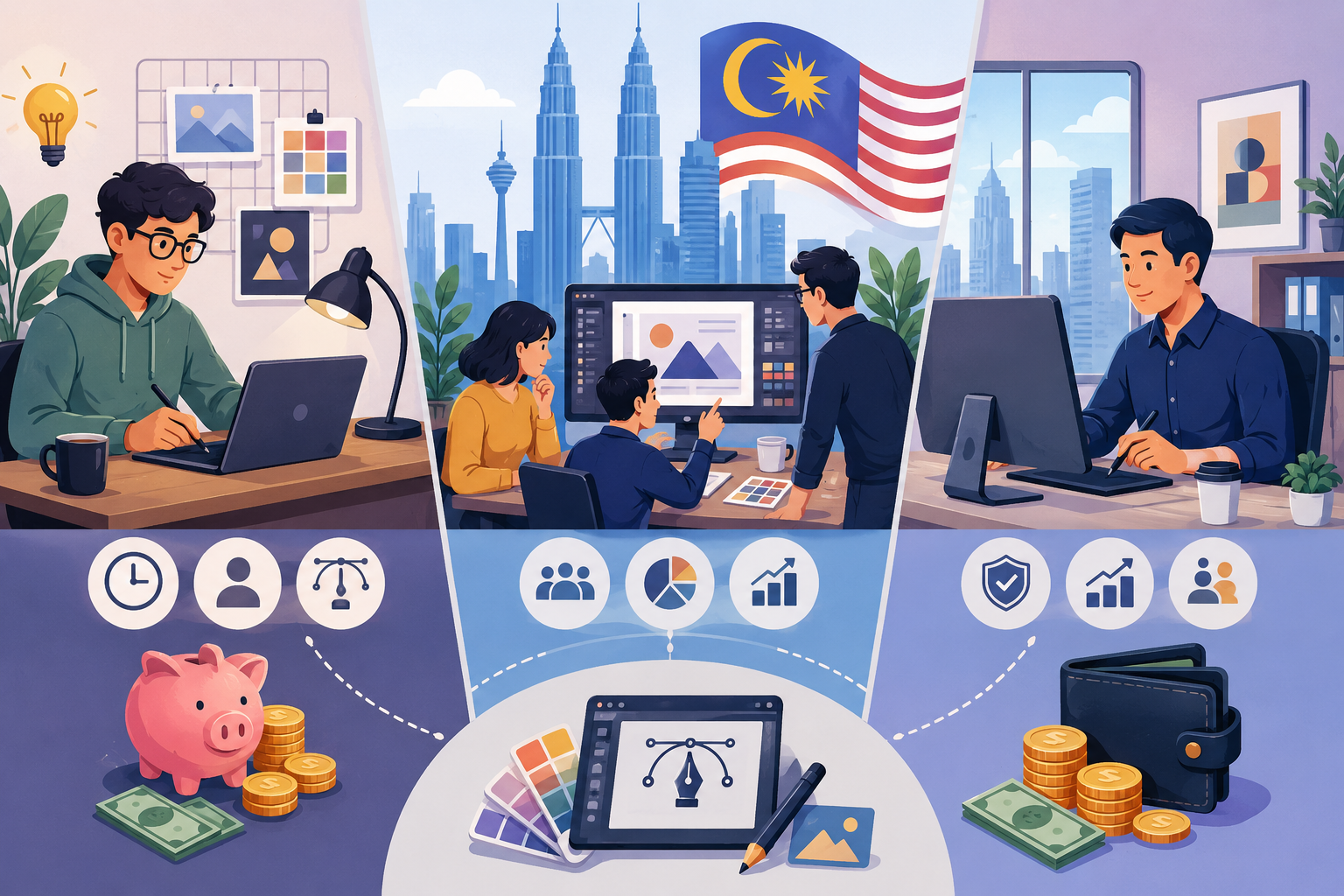
Many founders delay hiring designers until after product development, but this often creates problems later.
Common startup challenges without a designer
- Weak or inconsistent branding
- Poor UI/UX that reduces user retention
- Marketing materials that do not convert
- MVPs that look unprofessional to investors
For example, a fintech startup in Kuala Lumpur might build a working app but struggle to attract users because the interface feels unpolished and confusing.
Design is not just decoration, it directly impacts growth and trust.
2. What Type of Designer Startups Actually Need
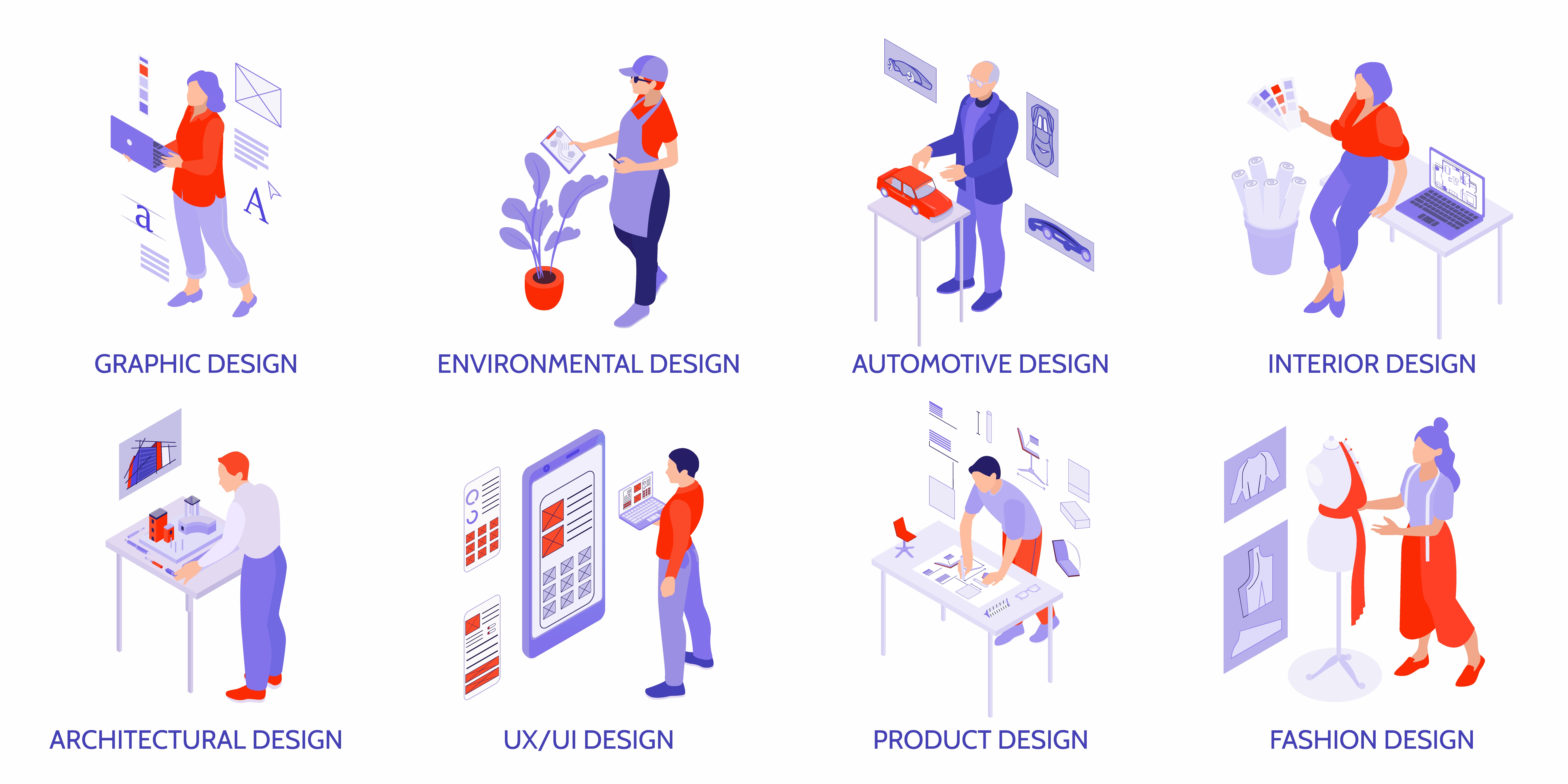
Startups rarely need just “a graphic designer.” They need specific skill sets depending on stage.
Early-stage MVP (0–6 months)
Focus: Speed and functionality
- UI/UX designer for product flow
- Basic branding (logo, colour system)
- Simple marketing visuals
Example: A startup testing a food delivery MVP in Klang Valley needs a UI designer to build user flows and a simple brand identity.
Growth stage (6–18 months)
Focus: Consistency and user acquisition
- Full-time or freelance UI/UX designer
- Marketing designer for ads and campaigns
- Brand refinement
Example: A SaaS startup scaling in Malaysia needs consistent landing pages, onboarding flows, and ad creatives for user acquisition campaigns.
Scale-up stage
Focus: Brand maturity and conversion optimisation
- Senior UI/UX designer
- Motion graphics or product marketing designer
- Possibly a full design team
At this stage, design becomes tightly linked to revenue and user experience metrics.
3. Startup Budget Constraints and How to Manage Them

Budget is one of the biggest challenges for Malaysian startups.
Typical design budget ranges
- Bootstrapped startups: RM500 – RM2,000/month
- Early funded startups: RM2,000 – RM8,000/month
- Growth-stage startups: RM8,000 – RM20,000+/month
Smart ways startups manage costs
- Hire freelancers instead of full-time early on
- Use project-based hiring for MVPs
- Prioritise UI/UX over heavy branding initially
- Build brand identity gradually
A common mistake is overspending on branding before validating the product.
4. MVP Design: What Matters Most
For startups, MVP (Minimum Viable Product) design should focus on function over perfection.
What to prioritise
- Clear user journey
- Simple interface
- Fast prototyping
- Basic but consistent branding
What to avoid
- Overly complex animations
- Expensive brand identity systems too early
- Excessive design iterations before testing
For example, a delivery startup in Malaysia should prioritise checkout flow clarity over visual polish in early testing stages.
5. Where Startups in Malaysia Can Hire Designers
Startups need speed and flexibility when hiring.
Common channels
- LinkedIn and startup networks
- Freelance platforms
- Design communities
- Referrals from other founders
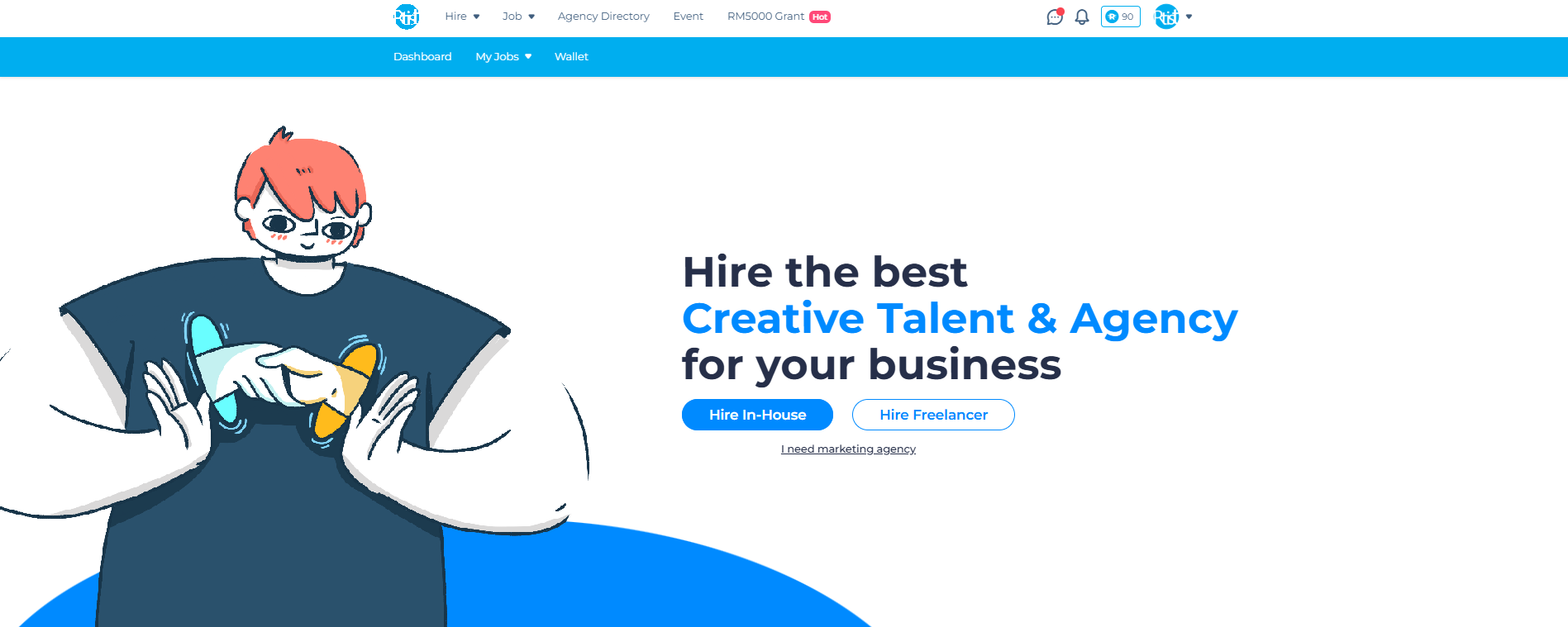
Startup-friendly hiring platforms
Many founders now use curated platforms like Rtist.co to quickly find designers who already understand startup needs and fast-moving workflows.
This reduces time spent on screening and improves matching quality.
6. How to Evaluate Designers for Startup Work
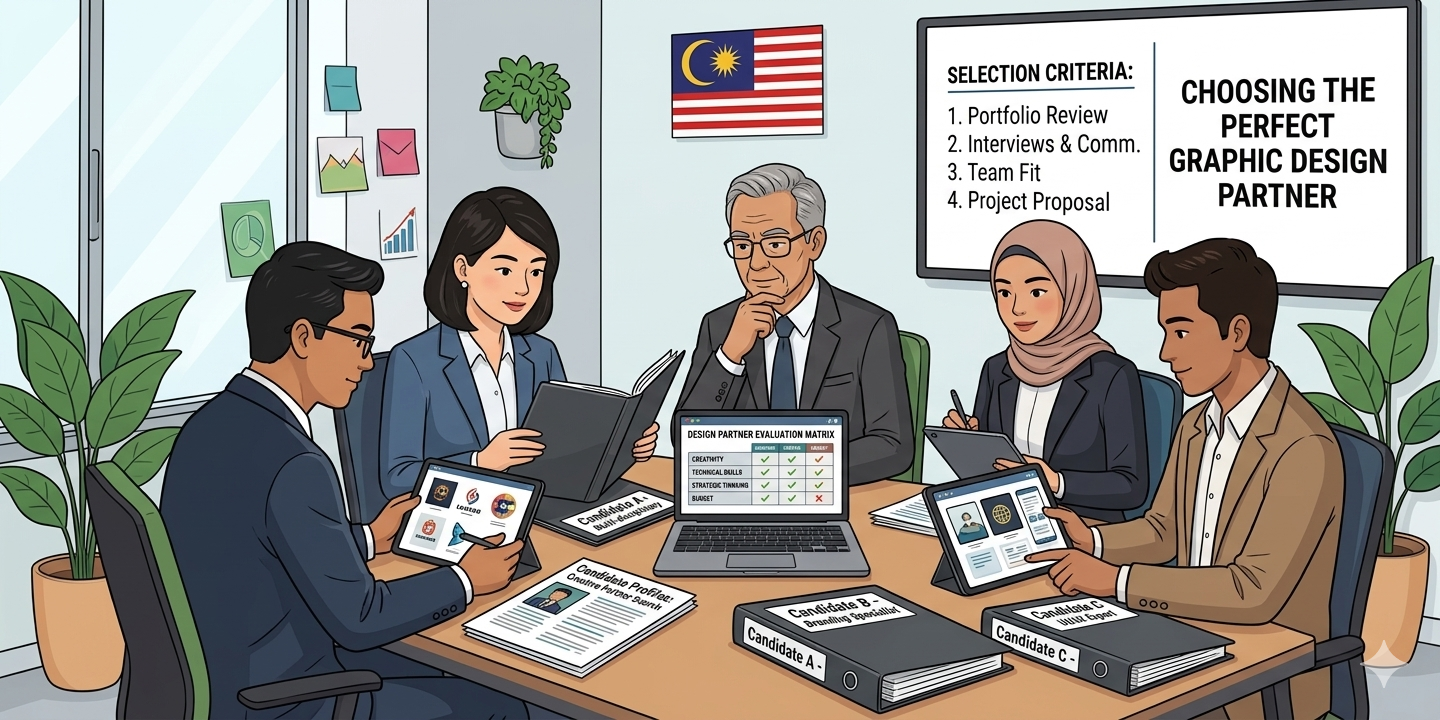
Hiring for startups is not about perfect portfolios—it’s about adaptability.
Look for problem-solving ability
Good startup designers:
- Ask about user goals, not just visuals
- Understand product thinking
- Suggest improvements to flows and UX
Check for speed and flexibility
Startups move fast. Designers must:
- Deliver quickly
- Handle changing requirements
- Work with limited direction
Portfolio relevance matters
Look for:
- SaaS or app design experience
- MVP or early-stage product work
- Landing page conversion design
7. Common Startup Hiring Mistakes
Hiring based only on aesthetics
A visually impressive designer may not understand product usability or conversion goals.
Over-investing in branding too early
Startups often spend too much on logos and brand systems before validating the product.
Not defining scope clearly
Without clear MVP goals, designers may overbuild unnecessary features or visuals.
Ignoring iteration cycles
Startups require fast feedback loops—designers must be comfortable with changes.
8. Freelancer vs Full-Time vs Hybrid Approach
Freelancers
Best for MVP stage and early experimentation.
Full-time designers
Suitable once product-market fit is clearer and design needs are continuous.
Hybrid model
Many Malaysian startups use a hybrid approach:
- Freelance UI/UX for product
- Freelance marketing designer for growth campaigns
- Full-time hire later when scaling
This helps manage cash flow while maintaining flexibility.
9. Design’s Role in Startup Growth
Design is not just about visuals, it directly impacts startup success.

Key growth areas influenced by design
- User onboarding and retention
- Conversion rates on landing pages
- Ad performance (CTR and engagement)
- Investor perception during pitch decks
For example, a polished pitch deck can significantly improve investor confidence for a Kuala Lumpur-based startup seeking seed funding.
Conclusion
Hiring a designer for a startup in Malaysia is a balancing act between speed, cost, and quality. At the MVP stage, the focus should be on usability and clarity rather than perfection. As the startup grows, design becomes a key driver of branding, user experience, and business growth.
Startups that hire strategically, matching the right designer to the right stage, move faster, raise better funding, and build stronger products.
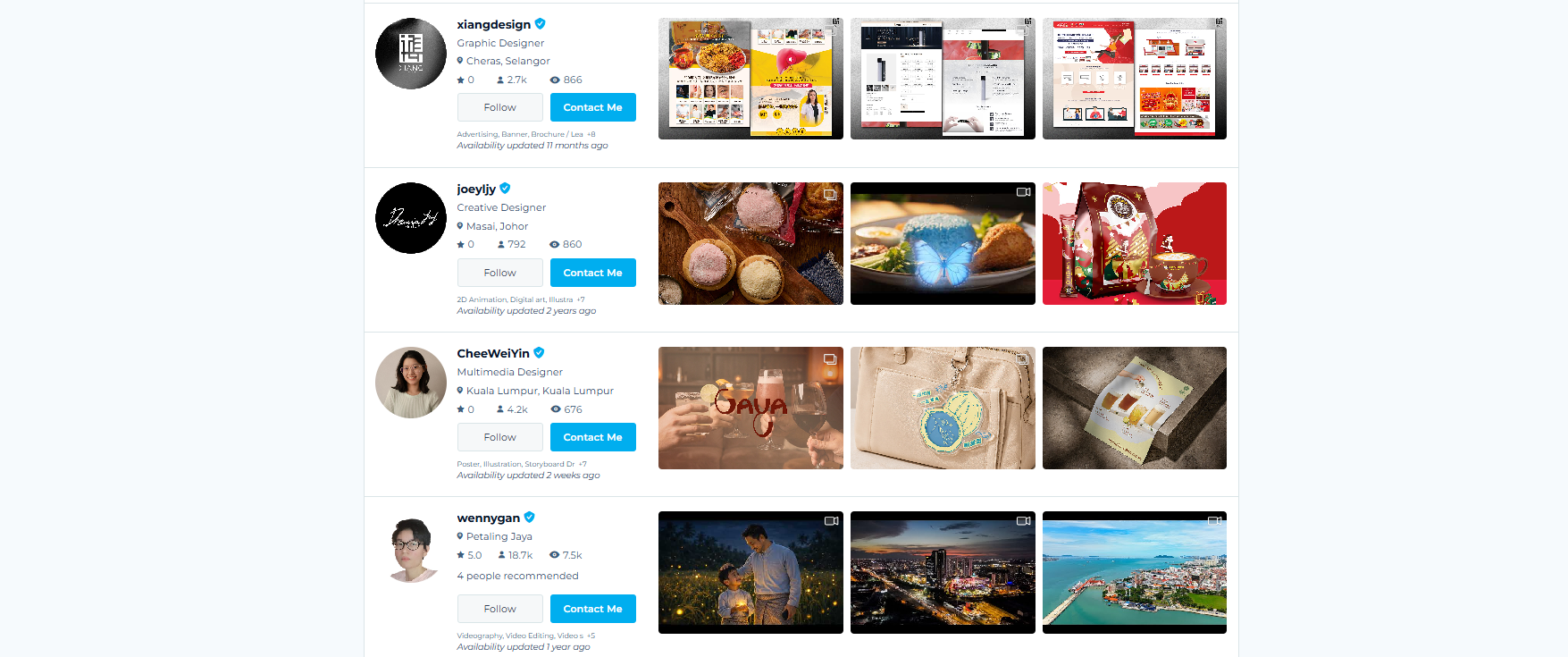
If you are a startup founder looking to move faster without compromising on design quality, platforms like Rtist.co help you connect with designers experienced in MVP development, branding, and growth-focused design—so you can focus on building your product while the right creative talent supports your journey.